Shutdown Theater: How Washington's Circus is Hijacking Your Wallet

This Isn’t a Shutdown—It’s a Glitch in the Matrix
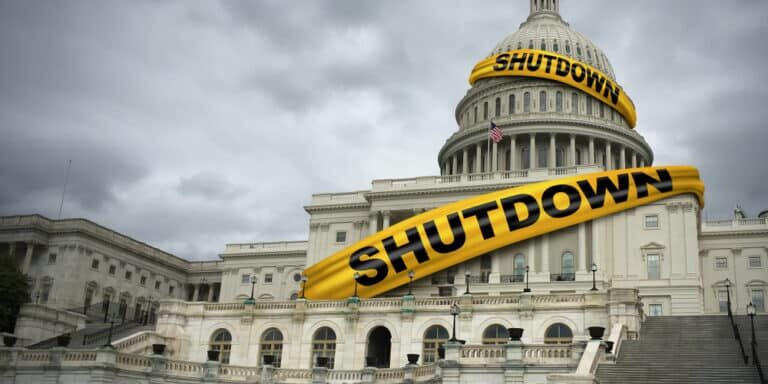
Here we are again: Capitol Hill descends into political theater, the media sound the alarm bells, and average Americans start slamming on the financial brakes. Redfin’s survey says 17% of us are delaying major purchases and another 7% are cancelling them altogether. Not because they’re furloughed. Not because they lost income. But because they’ve been taught—like good little citizens—that if the government sneezes, the economy catches the flu.
This is exactly what happens when your entire economic system is shackled to the whims of a bloated Leviathan. The more you rely on centralized power to “stabilize” the market, the more vulnerable you become when that power sputters, stutters, or stalls.
And that’s not an accident—it’s the design.

Dependency: The Most Dangerous Drug in America
Let’s be real. A truly resilient economy doesn’t short-circuit when 750,000 bureaucrats get a forced staycation. But this isn’t a truly resilient economy. It’s a Frankenstein market stitched together with deficit spending, fiat currency manipulation, and debt-fueled consumption—all steered by a central planner class who couldn’t balance a checkbook if their pensions depended on it.
What we’re seeing isn’t just the psychological toll of a shutdown. It’s the symptom of a people who’ve been taught to look to Washington for permission to act, to spend, to move. This is economic behavioral conditioning, plain and simple.
Ask yourself: why should a government budget impasse freeze private decision-making? Because we’ve allowed Washington to become the linchpin of every major economic indicator. The money’s fake, the markets are rigged, and the fear is real.
The Real Shockwave Is Confidence—And That’s No Coincidence
Redfin’s Chief Economist says it plainly: people aren’t buying because they don’t feel confident. They’ve been through inflation, tariffs, job cuts, wild market swings, and now this. So what do they do? They sit tight. They wait. They pull back.
That’s the soft power of government dysfunction—instability becomes the new normal, and paralysis sets in. It’s a brilliant feedback loop: the government creates chaos, consumers retreat, the economy stutters, and guess who shows up to “rescue” it?
The same damn clowns who lit the match.
When the State Becomes the Market, the Market Becomes the State
Here’s the brutal truth: if people are afraid to make personal financial decisions because of what’s happening in Washington, then Washington owns more of your life than you think. And that should terrify you more than any shutdown ever could.
Markets are supposed to be decentralized engines of individual choice and mutual benefit. But now they’ve been hijacked by a centralized command structure that feeds off your dependence and punishes your autonomy.
You want out? You better start thinking like someone who understands the game is rigged—and always has been.
Take Back Control Before It’s Too Late
Stop waiting for the government to “restart” your life. Start preparing for the next shockwave—because there’s always a next one. Get smart, get independent, and get out of the system wherever you can.
Download Seven Steps to Protect Yourself from Bank Failure by Bill Brocius and learn how to detach from the grid before it collapses under its own weight:
👉 Get the Guide Here
Because when the lights go out again—and they will—you’ll want to be the one holding the matches.