Silver Breaks $50 — Here’s What It Really Means

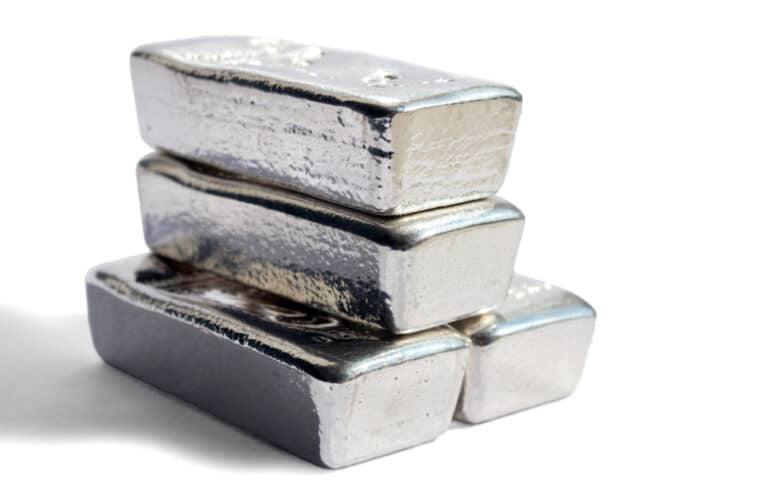
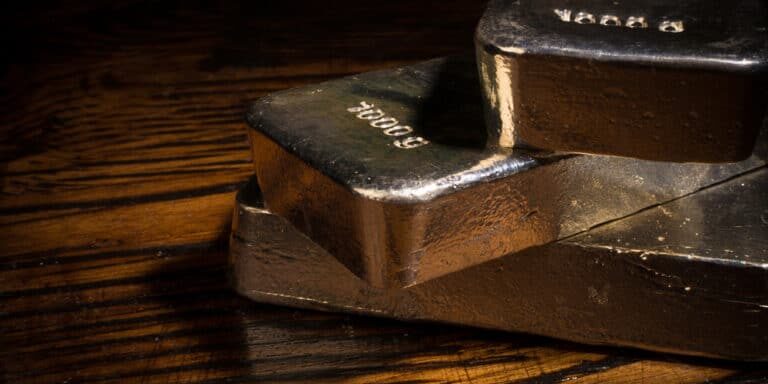
When silver crosses the $50 mark — for the first time since 1980 — it’s not just a chart anomaly. It’s a blaring siren in the middle of a quiet street. You don’t get a 69% price surge in a single year unless something is deeply, systemically broken beneath the surface.
While Wall Street analysts and ETF promoters are busy patting themselves on the back for being “early” to the trade, those of us watching real-world capital flows — not just paper profits — see something else: the early signs of monetary unraveling.
Make no mistake: the $50 breakout isn't just about silver. It’s about trust evaporating — in currencies, in governments, and in the increasingly fragile architecture of global finance.

Precious Metals Don’t Spike in a Healthy System
For the first time since January 1980 — the year of the Hunt Brothers' infamous attempt to corner the silver market, which ended in a Fed-orchestrated collapse — silver has shattered the $50 barrier. But unlike 1980, there are no rogue speculators to blame this time.
Instead, we’re looking at the fallout from:
- Soaring sovereign debt
- Central bank hoarding
- Geopolitical instability (Gaza, Ukraine, Taiwan)
- Supply chain fragility in the London and U.S. silver markets
- Aggressive ETF accumulation siphoning off physical liquidity
As one metals trader admitted to Reuters, there is “limited liquidity in the London silver market due to ETF buying and metal being moved to the U.S.”
Translation: the people who actually take delivery of real silver — not paper IOUs — are getting nervous.
What This Means for Silver Holders
If you already hold physical silver, you’re not just watching history — you’re holding a rare form of financial insurance. Silver has now officially decoupled from its industrial commodity status and entered the arena of monetary resistance.
Think of it this way:
- The Fed is cutting rates even though inflation is rising — a textbook policy failure.
- Central banks are buying gold hand over fist, but silver is being drained quieter and faster.
- ETFs like ProShares Ultra Silver (AGQ) and iShares Silver Miners (SLVP) are up over 140% — a sign of a paper scramble for metal.
Yet, physical holders aren't chasing percentages. They're securing sovereignty.
Remember: you can’t “bail in” physical bullion. Your silver won't be frozen by a banking app, nor drained by a government decree in the middle of the night.
The Paper Game Is Cracking — Prepare Accordingly
In my view — and more importantly, in Bill Brocius’ view — what we’re seeing right now is the opening move of a much larger monetary realignment. A global move away from fiat and toward tangible stores of value.
Silver’s breakout is telling you that people are losing faith. Quietly, globally, and without permission. Those who understand this shift have time to act.
The rest will be caught flat-footed when the next wave hits — likely during a banking crisis, a major geopolitical shock, or another inflation surge.
Don’t be among them.
🔒 Protect What You’ve Built — Before the Next Lockdown, Bail-In, or Digital “Reset”
To fully grasp what’s coming — and how to insulate yourself from the centralized clampdowns we know are next — I urge you to download Bill Brocius’ free guide, 7 Steps to Protect Your Account from Bank Failure. It’s a sobering, step-by-step roadmap for safeguarding your cash, your gold, and your freedom.
Then, if you’re serious about staying ahead of the financial reset, join the Inner Circle newsletter for just $19.95/month — the same intelligence that helped me step away from Wall Street’s trap and into true financial sovereignty.
Because when silver breaks $50, it’s not the end of a rally. It’s the start of a reckoning.
—
📕 Read the book that started it all: End of Banking As You Know It
📬 Subscribe to the Inner Circle: Bill’s Insider Newsletter
📥 Get the Free Guide: 7 Steps to Protect Yourself from Bank Failure