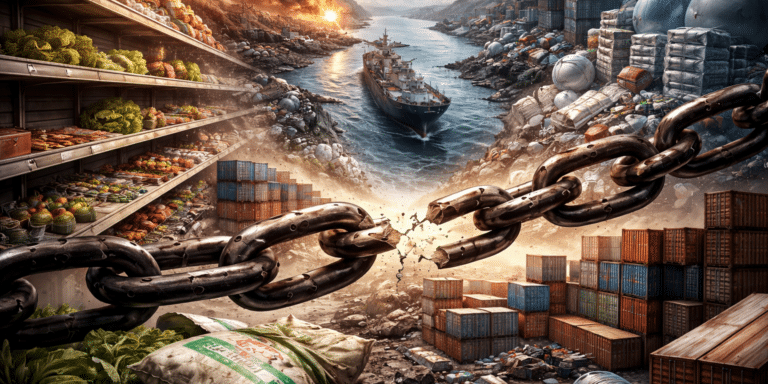
The Supply Chain Collapse They’re Not Telling You About

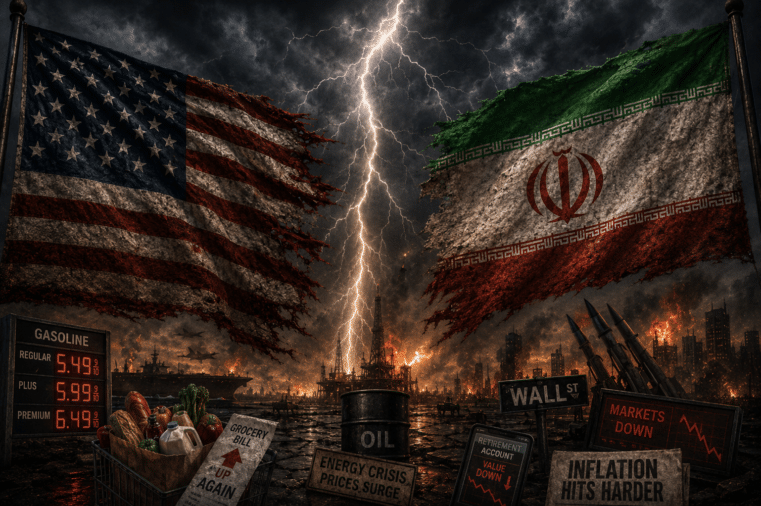
The Distraction: Gas Prices Are Just the Beginning
Turn on the news and it’s the same story.
Gas prices. Pain at the pump.
But that’s surface-level noise. A headline problem. A convenient talking point.
The real damage? It’s buried deep in the supply chain. Out of sight. Out of mind. Until it hits your wallet—and your dinner table.

This isn’t just about fuel. It’s about everything.
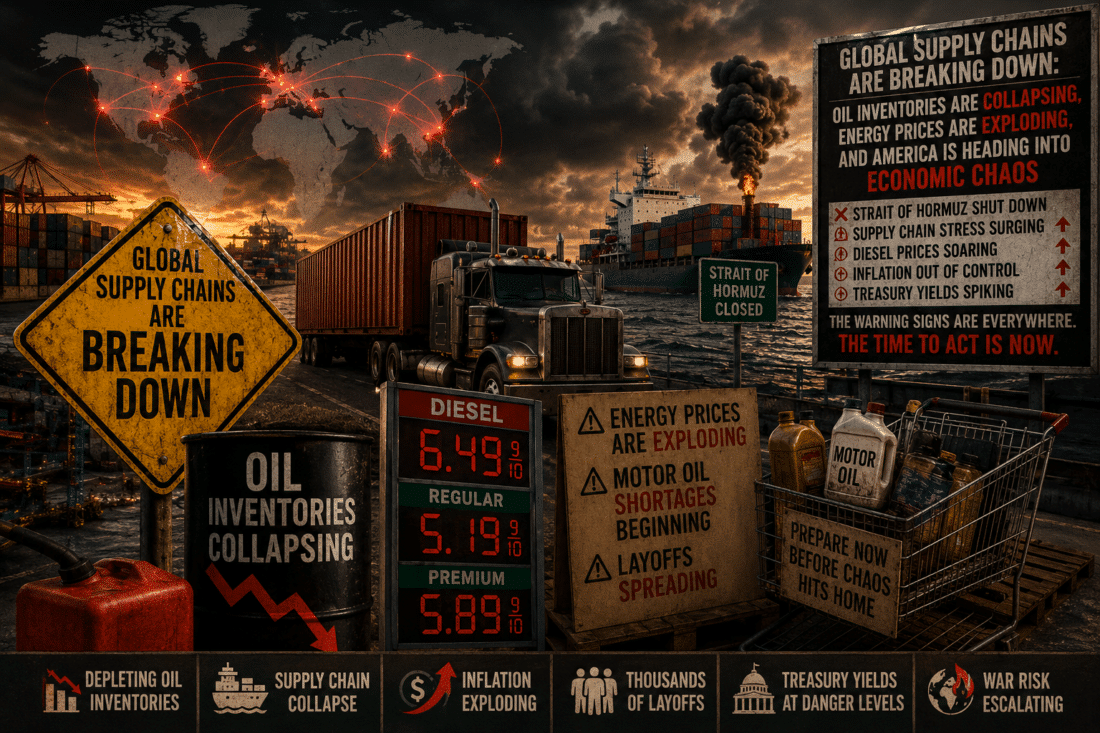
The Strait of Hormuz: The Choke Point That Changed Everything
Roughly a fifth of the world’s energy flows through one narrow passage—the Strait of Hormuz.
Now it’s disrupted.
That means more than oil shocks. It means a bottleneck on the raw materials that modern life depends on:
- Aluminum for construction and manufacturing
- Helium for medical imaging and tech
- Plastics for packaging, medicine, and electronics
- Chemical inputs for fuel refining
- Fertilizer components that grow your food
This is not a single-industry problem.
This is systemic.
The Hidden Layer: Higher-Order Goods
Most Americans don’t think about “higher-order goods.”
They should.
These are the building blocks of the economy—the raw inputs that eventually become the products you buy.
You don’t buy sulfur.
But without it, farmers can’t grow crops.
You don’t buy polyethylene pellets.
But without them, there are no containers, no medical supplies, no packaging.
When these inputs disappear, production slows.
Then it shrinks.
Then it breaks.
This Isn’t Inflation—It’s Shortage
Let’s be clear.
This isn’t just prices going up.
This is supply going down.
That’s a completely different beast.
- Aluminum prices up double digits
- Helium costs exploding
- Plastics surging 30–40%
- Key fuel components tripling
These aren’t random spikes.
They’re warning signals.
Less supply. Same demand.
Something has to give.
And it won’t be the elites.
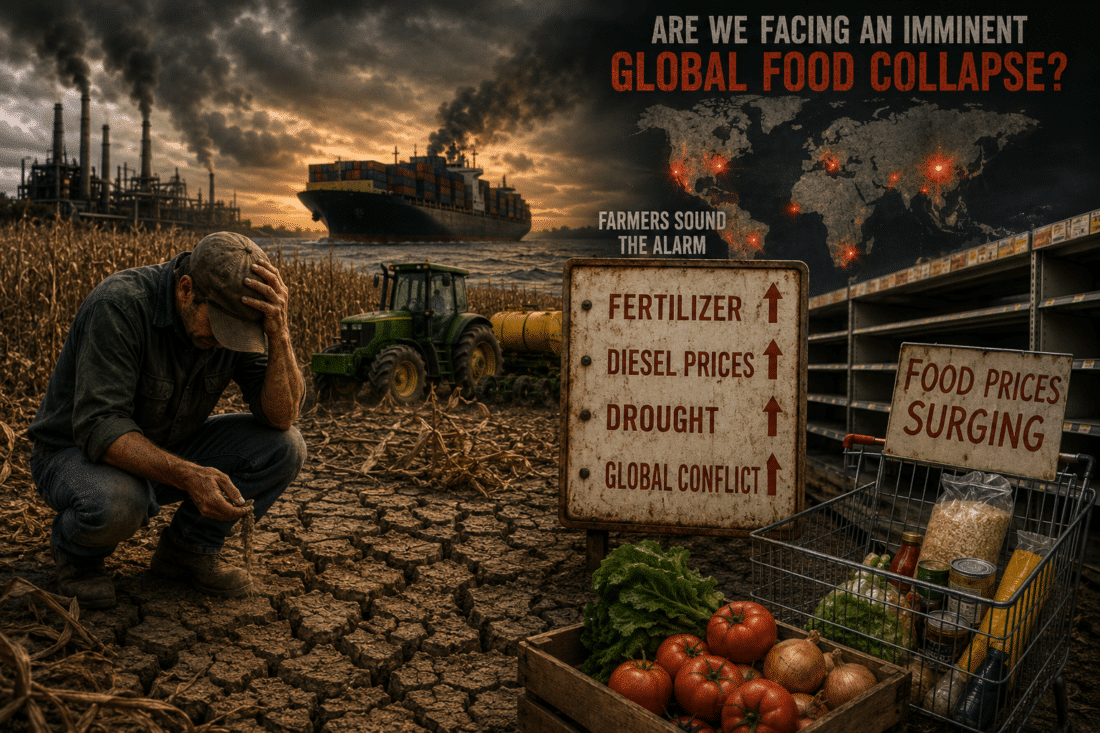
The Food Crisis Already Taking Shape
Here’s where it gets real.
Fertilizer production is being hit hard.
And fertilizer is not optional.
No sulfur. No ammonia. No urea.
No fertilizer.
No fertilizer?
Lower crop yields.
Lower crop yields?
Less food.
This doesn’t hit overnight. It creeps in.
Harvest by harvest. Season by season.
First, prices rise.
Then shelves thin out.
For many Americans, it’ll mean tighter budgets.
For others around the world, it’ll mean something worse.
The Domino Effect No One Can Stop
Modern economies run on long chains of production.
Break one link, and the effects ripple outward.
That’s exactly what’s happening now.
- Fewer plastics → fewer medical supplies
- Less aluminum → delayed construction
- Limited helium → reduced medical diagnostics
- Energy shortages → slower transport and logistics
These impacts don’t reverse overnight.
Even if the conflict ended tomorrow, the damage is already baked in.
Production takes time.
Recovery takes longer.
Washington Talks. Americans Pay.
Here’s the uncomfortable truth.
Decisions made at the top ripple down to the bottom.
And the people at the bottom don’t get a vote when the consequences arrive.
You won’t hear much about supply chain fragility in political speeches.
You’ll hear about strategy. Security. Strength.
But on Main Street, it looks different.
It looks like:
- Higher grocery bills
- Scarcer goods
- Delayed projects
- A slow squeeze on the middle class
And once that squeeze starts, it doesn’t let up easily.
The Bigger Picture: A Fragile System Exposed
This crisis reveals something deeper.
Our system is tightly interconnected—and dangerously dependent on stability far beyond our borders.
When one region falters, the shockwaves hit everywhere.
For years, Americans were told globalization made things cheaper, faster, better.
Now we’re seeing the other side of that coin.
More fragile.
More exposed.
More vulnerable than anyone wants to admit.
Final Word: The Cost Is Already Locked In
This isn’t a hypothetical.
The damage has been done.
The chain reaction has begun.
You may not feel it fully yet—but it’s coming.
Not all at once.
But steadily. Relentlessly.
And by the time it’s obvious, it’ll be too late to prepare.
Take Action While You Still Can
The gap between what’s happening and what you’re being told is widening.
If you want unfiltered analysis, real economic breakdowns, and strategies to stay ahead of the chaos—not behind it—then it’s time to step inside.
Join the Inner Circle today for exclusive insights and critical intelligence.
Stay informed. Stay prepared. Or get left behind.