Gold Just Hit $4,400 — And Most Americans Have No Idea What That Really Means

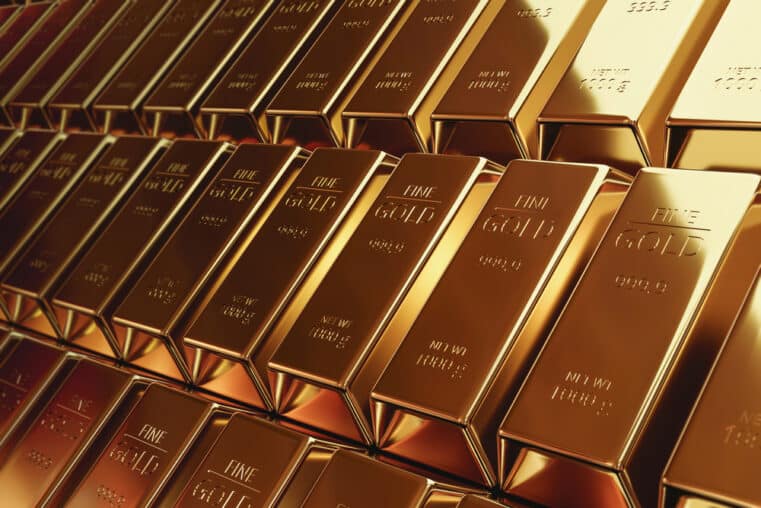
Gold at $4,400 Is Not an Accident
When gold hits an all-time high like $4,400, the mainstream explanation is always neat and tidy: interest rates, inflation data, or speculation.
That’s not the real story.
What we’re witnessing is a loss of confidence, not a trade. Gold didn’t surge because investors suddenly got emotional. It surged because governments themselves are preparing for a world where the old rules don’t work anymore.

Central banks aren’t buying gold to make a quick profit. They’re buying it because they don’t trust paper promises in an increasingly unstable system. And when governments stop trusting the system, everyday people are always the last to be told.
BRICS Isn’t Talking Anymore — They’re Restructuring the System
This is where I’ll slow down and get very clear, because this part matters.
BRICS nations aren’t just complaining about the dollar. They’re actively redesigning how reserves are held and how trade is settled. The scale of what they’re doing tells you everything you need to know.
- BRICS countries now control over 6,000 tons of gold, with Russia and China holding the overwhelming majority
- Central banks within the bloc purchased roughly 800 metric tons of gold in 2025 alone, even at record prices
- Gold’s share of BRICS reserves has doubled, signaling a deliberate move away from dollar exposure
Countries do not buy gold like this unless they believe the real risk lies in fiat currency itself.
The Gold-Backed BRICS Unit Changes the Game Quietly
Late in 2025, BRICS introduced a gold-linked digital settlement unit, partially backed by physical metal. Let me be very clear about what this is—and what it isn’t.
This is not about overthrowing the dollar tomorrow morning.
It is about creating an option that works without the dollar.
That alone is enough to matter.
Once energy, commodities, and cross-border trade can settle outside dollar-based rails, the dollar loses something far more important than headlines: automatic demand. And when global demand for dollars weakens, those dollars don’t disappear—they come home.
When dollars come home, prices rise.
The Dollar Is Still Dominant — But Dominance Isn’t Forever
Yes, the dollar remains the world’s primary reserve currency. But pretending that means it’s untouchable is how people get blindsided.
The dollar’s share of global reserves has slipped to around 56%, the lowest level in decades. That didn’t happen overnight, and it didn’t happen by accident. It happened because debt exploded, sanctions were weaponized, and trust eroded.
History shows this pattern clearly:
When trust fades, gold fills the gap.
That’s not theory. That’s how monetary systems have always evolved.
Why Most Americans Don’t See This Coming
I grew up working-class. I understand why most Americans aren’t watching central bank balance sheets or BRICS policy statements.
People are busy surviving.
But while Americans are distracted by stock tickers and political theater, the real shifts are happening quietly:
reserves are moving, settlement systems are changing, and gold is flowing from West to East.
By the time the consequences show up in higher prices, frozen accounts, or emergency policies, the groundwork is already finished.
That’s how this always works.
Gold Isn’t Rising — The Dollar Is Being Exposed
This is one of the most misunderstood points of all.
Gold doesn’t “go up” in real terms. It reveals weakness.
When gold climbs 60% in a year, it’s telling you something fundamental:
confidence in fiat money is deteriorating.
That’s why central banks hold gold instead of paper claims. Physical gold doesn’t rely on:
- Political stability
- Counterparties
- Payment networks
- Or promises that can be changed overnight
Gold doesn’t need permission.
Why This Matters So Much for Americans
Americans live inside the dollar system, which makes its risks harder to see—until they’re unavoidable.
When global demand for dollars weakens, Americans feel it through:
higher grocery bills, rising insurance costs, shrinking savings, and retirement plans that suddenly don’t pencil out.
Gold isn’t about speculation.
It’s about preserving purchasing power when everything else is quietly losing it.
Central banks understand this. That’s why they’re not trading gold. They’re locking it away.
This Isn’t a Headline Event — It’s a Monetary Turning Point
Gold at $4,400 isn’t the finish line. It’s a signal.
Major banks are already projecting $4,900 to $5,000 in the coming years—not because they’re optimistic, but because the world is diversifying away from trust-based money and back toward hard assets.
When that shift becomes obvious to the public, it will already be expensive to react.
Final Thoughts From Someone Who’s Seen This Before
The biggest financial mistakes aren’t made by people who act too early.
They’re made by people who wait for confirmation from the same system that benefits from their inaction.
Central banks are moving quietly. Gold is moving loudly.
The only question is whether everyday Americans move at all.
Arm Yourself Before the Collapse
Don’t wait for the next “bank holiday,” emergency policy, or currency reset to realize the rules changed without your consent. They won’t warn you when it happens.
Now is the time to own real assets, secure your financial footing, and understand what’s coming—before decisions are made for you.
Get educated while you still can.
Download the Digital Dollar Reset Guide and see what most people won’t understand until it’s too late.
One day, your future self will either thank you for acting early—
or wish you had.