Silver Hits Record Highs as Global Reserves Concentrate in Fewer Hands — A Wake‑Up Call for Anyone Still Trusting Paper Wealth

Silver’s Explosive Rally Is Not an Accident
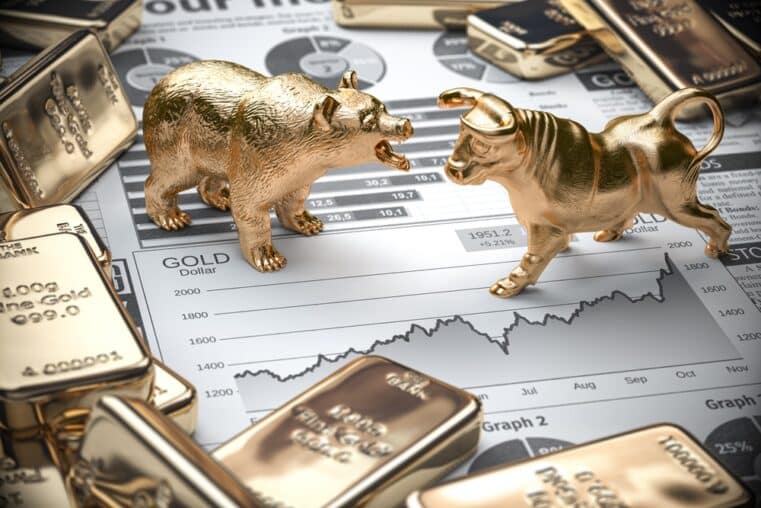
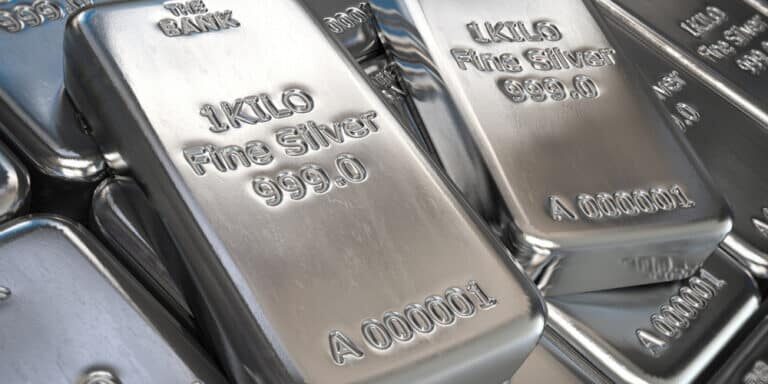
Silver quietly delivered one of the most stunning market moves of 2025. Prices surged roughly 160% over the year, briefly touching levels near $80 per ounce, far outstripping traditional safe‑haven assets. According to market data, silver’s gains in 2025 ranged between 140% and 163%, significantly outperforming gold’s roughly 60–70% rise over the same period, underscoring how pronounced this move has been compared with other precious metals. That kind of move doesn’t happen in a vacuum — it reflects deep structural and macroeconomic shifts that help make the silver explosive rally explained by both supply constraints and surging demand.
It happens when:
- Confidence in fiat currencies erodes
- Geopolitical risk accelerates
- Supply constraints collide with rising industrial demand
Silver is no longer just “poor man’s gold.” It is emerging as one of the most strategically important metals on Earth — and the market is finally catching on.

The Hard Numbers: Global Silver Reserves Are Finite and Uneven
According to U.S. Geological Survey data, total global silver reserves stand at approximately 641,400 metric tons. That may sound large — until you look at how those reserves are distributed.
Top Silver Reserve Holders:
- Peru: 140,000 metric tons (21.9%)
- Australia: 94,000 metric tons (14.7%)
- Russia: 92,000 metric tons (14.4%)
- China: 70,000 metric tons (10.9%)
- Poland: 61,000 metric tons (9.5%)
Five countries control roughly two‑thirds of the world’s known silver reserves.
That concentration alone should raise red flags for anyone assuming stable, abundant future supply.
Peru’s Strategic Advantage: 22% of Global Reserves
Peru sits at the center of the silver map, holding nearly one‑quarter of the world’s reserves. In a world moving toward resource nationalism and regional power blocs, that’s not just geological luck — it’s geopolitical leverage.
As governments increasingly treat metals like strategic assets rather than trade commodities, countries like Peru gain outsized influence over pricing, supply, and access.
Silver isn’t just mined.
It’s controlled.
The Mexico Paradox: Production Power Without Reserve Depth
Mexico presents one of the most important warning signs in the silver market.
- It is the world’s largest silver producer
- Yet it holds only 5.8% of global reserves
This means current production levels rely on intensive extraction, not long‑term reserve security. Fewer new projects are coming online. Ore grades continue to decline. And replacement reserves are not keeping pace.
That’s a classic setup for future supply shocks.
Industrial Demand Is Eating the Supply From Both Ends
Unlike gold, silver is not just hoarded — it is consumed.
Key demand drivers:
- Solar panels
- Electric vehicles
- Electronics and semiconductors
- Defense and energy infrastructure
Silver demand from solar alone has risen from under 50 million ounces a decade ago to roughly 160 million ounces annually — and growing.
Once silver is embedded in industrial systems, much of it is never recovered.
That makes silver a depleting monetary metal, not just a store of value.
Scarcity Meets Monetary Reality
Now connect the dots:
- Global silver reserves are limited
- Ownership is highly concentrated
- Industrial demand is accelerating
- Fiat currencies are being debased
- Central banks are losing credibility
Silver isn’t rising because markets are irrational.
It’s rising because paper systems are failing.
And unlike stocks, bonds, or bank deposits, silver doesn’t rely on:
- Counterparty trust
- Government guarantees
- Bank solvency
It exists — or it doesn’t.
Why This Matters to Everyday Savers
Most people are exposed to silver only indirectly:
- Through ETFs
- Through mining stocks
- Through pension funds tied to derivatives
But when pressure builds, paper silver is not the same as physical silver.
If supply tightens and demand spikes, paper claims can multiply infinitely — but real silver cannot.
History shows that in moments of monetary stress, physical holders win and paper holders argue with their brokers.
Silver as a Shield Against the Banking System
Silver does something banks cannot:
- It exists outside the financial system
- It cannot be frozen, reprogrammed, or bailed‑in
- It has no issuer risk
As banks move deeper into digitization, surveillance, and centralized control, tangible assets become financial lifeboats, not relics.
Silver’s dual role — monetary and industrial — makes it uniquely positioned for the next phase of the global reset.
What You Should Be Doing Now
This is not a call to speculate.
It’s a call to prepare.
- Reduce dependence on banks
- Favor physical silver and gold, not paper substitutes
- Understand how de‑dollarization affects real assets
- Position yourself before access tightens and premiums explode
Those who wait for confirmation usually arrive after the exit is crowded.
Your Next Step: Prepare for the Digital Dollar Reset
Silver’s rise is one signal among many that the financial system is changing — fast. The shift toward centralized digital money and away from sound currency is accelerating.
To understand what’s coming — and how to protect yourself — download Bill Brocius’ essential guide, The Digital Dollar Reset Guide.
👉 Get the Digital Dollar Reset Guide now.
Hard assets favor the prepared.
Paper wealth favors the system.
Choose wisely.