The Fed’s Theater of Confusion: Why Central Planning Can’t Fix Inflation or Growth

The Illusion of Federal Reserve Central Planning
Monetary Policy by Mood Swings
Another day, another panic ripple from the Federal Reserve. This time, Chair Jerome Powell made headlines by tamping down market hopes for a December rate cut, rattling traders and fueling media speculation. The big reveal? The Fed isn't on autopilot toward lower rates, and internal dissent is heating up.
But all this commotion—hawkish hints, dovish pushback, and whispered dissents—masks a much deeper problem. It's not whether the Fed will cut rates in December or March. The problem is the absurd belief that a small group of bureaucrats, with flawed data and political incentives, can steer a $28 trillion economy like it’s a battleship on autopilot.
Rates Set by Committee, Not by Markets
Let’s be honest: the interest rate should be a signal, not a lever. When the Federal Reserve sets rates, it distorts the single most important price in the entire economy: the price of borrowing. This isn’t some technical debate. It’s about whether we trust free markets to allocate capital—or whether we hand that power to unelected planners.

What we’re watching now is central planning by another name. It's dressed up in press briefings and dot plots, but it’s no different in principle from the kind of top-down economic control that fails everywhere else. These people aren’t economic oracles. They’re political actors making guesses with your money.
Inflation Is Not a Mystery—It’s a Monetary Choice
Powell and his hawks act like inflation is some unpredictable weather event. But inflation doesn’t just happen. It’s the inevitable result of flooding the economy with cheap, easy money—exactly what the Fed has done for over a decade.
From quantitative easing to near-zero interest rates, the Fed pumped trillions into the economy, fueling bubbles in everything from stocks to real estate to corporate debt. That party couldn’t last—and now the hangover is here. Instead of admitting fault, the same planners want credit for trying to clean up their own mess.
Dissent Isn’t Discipline—It’s Just Dysfunction
Yes, there are disagreements inside the Fed. Some officials want aggressive rate cuts; others warn that inflation hasn’t been tamed. Some dissent from the left, others from the right. But let’s not confuse disagreement with wisdom. Whether you raise rates or lower them, the underlying assumption remains: the Fed knows best.
This is the real danger. The market is conditioned to hang on every Fed whisper, not because the Fed is wise, but because it has seized control of credit allocation in America. Every investor, banker, and CEO now lives under the Fed’s thumb. That’s not a free market. That’s monetary authoritarianism.
Market “Expectations” Are Just Price-Fixed Hopes
Before Powell’s latest comments, markets had “priced in” an 88% chance of a December cut. Afterward? Down to 71%. This is seen as a masterstroke of communication—a successful effort to “guide expectations.”
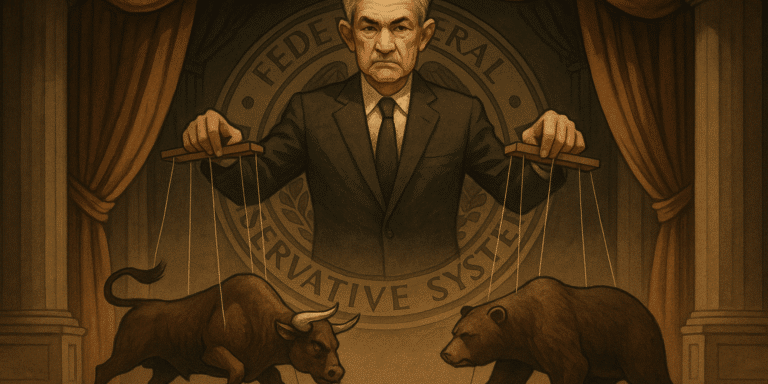
Think about that. A handful of Fed officials use vague language to influence global markets. That’s not monetary policy. That’s psychological warfare. And it’s proof that the markets aren’t free—they’re managed, manipulated, and twisted by political incentives.
The Real Solution: End the Central Bank Monopoly
We’ve tried this model for over a century. What has it delivered? The destruction of the dollar’s value. Endless boom-and-bust cycles. Crippling debt. A financial system built on leverage and false signals.
We don’t need more Fed meetings. We need a system where interest rates are set by real savings and investment—not by political committees. We need hard money, honest pricing, and economic freedom.
Until we unwind the Fed’s control, we’ll keep watching this same tragic play: speculators guessing, politicians posturing, and central planners pulling levers that shouldn’t exist.
Conclusion: Let the Market Decide
The Fed’s latest round of confusion is a symptom of a larger disease: the delusion that monetary elites can manage complex systems better than the people participating in them.
They can’t.
Let interest rates reflect reality. Let bad investments fail. Let savings matter again. Because unless we return to sound money and decentralized decision-making, we’ll keep marching in circles—one “data-dependent” disaster at a time.
Call to Action
If you think this ends with a debate over quarter-point cuts, think again. The next crisis won’t be televised—it’ll be digitized, devalued, and quietly bailed out behind closed doors.
Download “Seven Steps to Protect Yourself from Bank Failure” by Bill Brocius now. It’s the blueprint you need before your money becomes their collateral.
Because when the Fed hits the panic button again, they won’t be rescuing you—they’ll be rescuing themselves.