The Golden Rotation Is Coming — And Anyone Selling Now Will Regret It

A Simple Question That Exposes a Big Truth
The article starts with a familiar situation: a friend asking whether it’s time to sell silver after a strong move higher.
That’s a fair question. When prices rise fast, the temptation to “lock in profits” kicks in. But here’s the problem—selling only makes sense if you know what you’re rotating into.
That question alone tells you we’re nowhere near the top yet.

Why Long-Term Thinking Still Wins
One of the strongest points in the article is the emphasis on long-term holding.
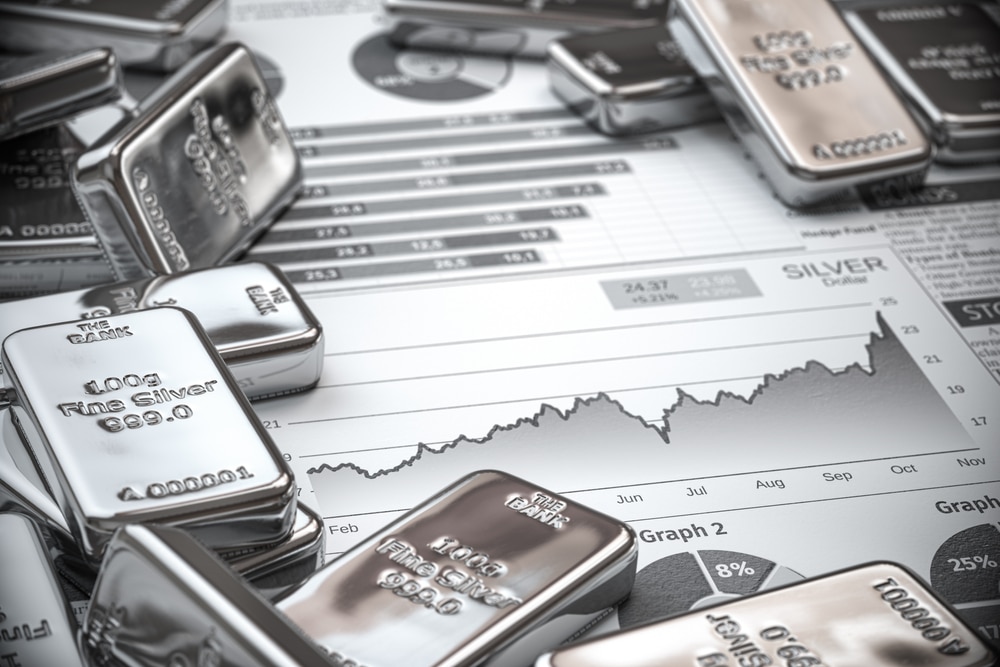
Short-term price moves are impossible to predict. Silver dipping from $54 to $47 and then roaring back above $63 is a perfect example. If you try to trade every wiggle, you’ll get shaken out right before the real move.
I couldn’t agree more here. Most of my portfolio is positioned with years in mind, not weeks. Gold and silver aren’t lottery tickets—they’re financial lifeboats.
Debt, Deficits, and the Return of Money Printing
This is where the article really hits home.
Governments are broke. Not “kind of broke.” Structurally, permanently broke.
The piece correctly points out that the Federal Reserve has quietly restarted large-scale Treasury bill purchases—about $40 billion per month. They’ll tell you it’s not QE because they’re buying short-term debt instead of long-term bonds.
That’s a distinction without a difference.
The truth is simple: there isn’t enough real demand for U.S. debt, so the Fed has to step in. That’s money printing by another name, and it always ends the same way—currency debasement and higher asset prices for real things.
Until governments get spending under control (don’t hold your breath), gold and silver will remain essential.
The Gold-to-Silver Ratio Is Flashing Green
The article makes a critical observation about the gold-to-silver ratio (GSR), which currently sits around 67:1.
Historically:
- 1980 peak: ~17:1
- 2011 peak: ~30:1
At major bull market tops, silver doesn’t politely rise—it goes vertical. And right now? Silver is barely above its old highs, despite vastly more money printing and far greater global demand.
This is not a blow-off top. This is early innings.
Selling silver here because it “feels high” is like selling beachfront property because the tide came in.
Why This Bull Market Isn’t Close to Over
One of the most important conclusions in the article is that this cycle is nowhere near finished.
I agree completely.
The same forces that launched this bull market—debt, deficits, monetary manipulation, political dysfunction—are not only still here, they’re getting worse. Much worse.
Yes, there will be sharp corrections. Precious metals always climb a wall of worry. But trying to perfectly time those moves usually leads to regret, not riches.
The Rotation Question: What Do You Sell Into?
This is where the article shows real discipline.
Eventually, the author plans to rotate some precious metals into stocks—and possibly bonds—when valuations make sense.
That’s key.
Gold and silver aren’t meant to replace productive assets forever. They preserve purchasing power during inflationary and unstable periods. When stocks become genuinely cheap relative to gold, rotating capital makes sense.
But look around today:
- U.S. stocks at nosebleed valuations
- Bonds still historically expensive
- Massive systemic risks everywhere
This is not the environment where you abandon hard assets.
The Dow/Gold Ratio: An Old Tool That Still Works
The article references Bill Bonner’s long-standing work on the Dow-to-Gold ratio, and this is one framework I’ve always respected.
When stocks are expensive relative to gold, you want gold.
When stocks are cheap relative to gold, you rotate.
Back in 2005, when gold was $430 and stocks were euphoric, Bonner was pounding the table. He was right then, and the logic still holds today.
By that measure, gold is still undervalued—and stocks are still priced for fantasy.
You Don’t Need a Perfect Exit
Another point I strongly agree with: you don’t need to nail the exact top.
If you can get within 20–25% of a major peak, you’re doing better than almost everyone. Chasing perfection usually leads to paralysis—or worse, selling far too early.
Patience beats precision.
Where I’d Urge Caution: Bonds
Here’s where I’ll gently part ways with the article.
I understand the idea of eventually rotating into bonds if yields get high enough. But I remain deeply skeptical of long-term U.S. Treasuries as a safe haven.
With:
- Exploding federal debt
- Political pressure to suppress yields
- The ever-present threat of yield curve control
Bonds carry risks that most investors underestimate. Personally, I’d look first toward select commodities, resource-rich emerging markets, and undervalued equities before trusting government IOUs again.
Gold Is Still the “Everything Hedge”
Even when the rotation eventually comes—and it will—I fully agree with the closing sentiment: gold should never be sold entirely.
As Jim Rickards says, gold is the everything hedge. Against inflation. Against currency failure. Against systemic collapse. Against government overreach.
That role doesn’t expire.
Final Thoughts: This Is No Time to Get Cute
If you take one thing away from this discussion, let it be this: selling precious metals now because prices have gone up is a mistake.
We are still in a debt-driven, money-printed, confidence-eroding system. Gold and silver exist for moments exactly like this.
When the real rotation comes, you’ll know. And when it does, you’ll want to be rotating from strength, not regret.
Protect Yourself Before the Next Shock Hits
If you haven’t taken steps to prepare, now is the time.
👉 Download Bill Brocius’ free eBook, Seven Steps to Protect Yourself from Bank Failure
Get your copy here
👉 Subscribe to Dedollarize News & Alerts
Join us here
The golden rotation will come eventually. The question is whether you’ll be positioned before the crowd figures it out.
Stay grounded,
Frank Balm