The Silent Collapse: Why Fewer Job Openings Signal a Much Darker Crisis for the U.S. Economy

Job Openings Crash to 2021 Levels—But This Is Just the Surface
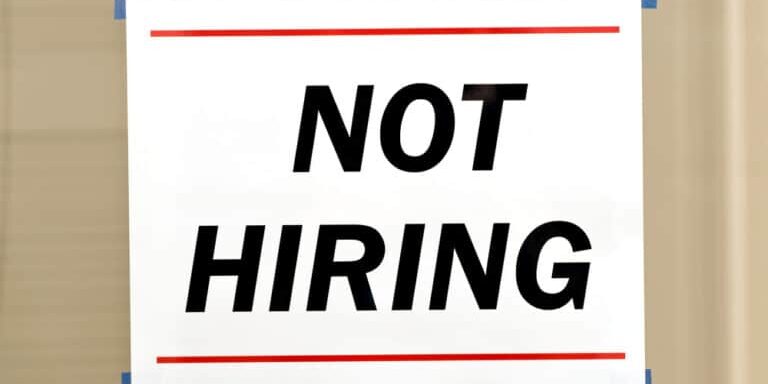
According to data from Indeed, job postings in the U.S. dropped to the lowest level since early 2021—an index reading of 101.9 as of October 24. This places us below pre-pandemic benchmarks and signals that the brief post-lockdown hiring surge is over.
The Federal Reserve sees it too. They just cut rates again—not out of confidence, but desperation. What we’re witnessing is not a healthy job market cooling—it’s a fragile economy losing steam under the weight of inflation, debt, and policy dysfunction.
The Fed Is Not Fighting Inflation—It’s Capitulating
Let’s be clear: the Fed’s rate cut isn’t stimulus. It’s surrender. They’ve lost control of inflation, which still sits nearly a full percentage point above their 2% target. And now, with unemployment ticking up and job postings down, they’re prioritizing market stability over sound money.

But this isn't stability. It's the slow motion collapse of purchasing power.
By lowering rates into sticky inflation, the Fed is ensuring one thing: your dollars will continue to lose value—just more gradually and more silently. This is how wealth is eroded in plain sight.
Behind the Decline: Margin Compression and Consumer Fatigue
Declining job ads are not just a labor market story—they're a symptom of corporate retrenchment. Businesses see what’s ahead:
- A consumer maxed out on credit
- Input costs still high
- A banking sector drowning in bad loans
- And no signs of real growth despite record federal spending
That’s not just bearish—that’s a signal. And if you're reading this, it's your signal to act.
The Data Is Delayed—But the Damage Is Real
Thanks to the government shutdown, key reports like the BLS Job Openings and Labor Turnover Survey (JOLTS) and the nonfarm payrolls report are MIA. But make no mistake—the collapse is ongoing whether the data is printed or not.
When you have to rely on private job boards for real-time data because your own government is too paralyzed to function, you’re not living in a stable economy—you’re watching the slow decay of institutional trust.
What You Can Do: Don’t Wait for Permission to Protect Yourself
You can’t rely on traditional institutions anymore—not the Fed, not Congress, and certainly not the big banks. If your wealth is tied up in the system, it’s vulnerable.
Here’s what I recommend:
- Get your savings out of the banks and into tangible assets—gold, silver, and Bitcoin.
- Read Bill Brocius’ essential book, End of Banking As You Know It. It’s the most concise roadmap to navigating the next collapse.
- Download our free guide, 7 Steps to Protect Your Account from Bank Failure, and implement every step today.
Join the Inner Circle Before the Next Shock Hits
If you're serious about understanding what's really happening beneath the surface—and more importantly, how to prepare—subscribe to Bill’s Inner Circle newsletter for just $19.95/month.
This isn’t recycled mainstream analysis. It’s real-time strategy from one of the most insightful economic thinkers alive today.
Final Word: The Cracks Are Turning into Fissures
The job market is just the first crack. Next comes credit stress, then liquidity shocks, then bank runs. The system won’t give you a warning when it breaks—it will just break.
Act now. Secure your wealth. Stay independent. Because when the lights go out, it’s too late to find the exit.
—Eric Blair
Dedollarize News