Airfare Shock: How the Iran Conflict Is Quietly Making Flights More Expensive for Americans

The First Domestic Impact of the Iran War: Airfare
Most Americans experience foreign policy through headlines.
But the economic consequences show up somewhere else entirely—your wallet.
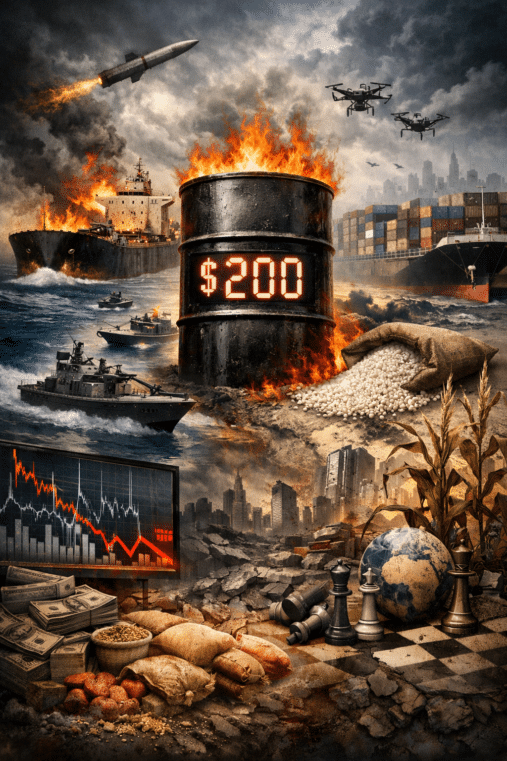
As the conflict with Iran escalates and tensions choke off oil shipments through the Strait of Hormuz, global energy markets are reacting fast. Brent crude has now surged past $100 per barrel, a jump of more than 60% since the start of the year.

That kind of spike doesn’t stay confined to oil traders.
It flows directly into industries where fuel is the lifeblood of operations.
At the top of that list: airlines.
Jet Fuel: The Hidden Driver of Ticket Prices
For airlines, fuel is one of the largest operating expenses, often representing 20% to 30% of total costs.
When oil prices spike, airlines face an immediate problem.
They can either:
- Absorb the higher fuel costs and watch profits collapse
- Or pass those costs directly to passengers
History shows which option usually wins.
According to new industry analysis, domestic U.S. airfares may need to rise at least 11% just to offset current fuel prices.
And that estimate assumes oil stabilizes around current levels.
If the conflict drags on and energy markets tighten further, those numbers could climb even higher.
Airlines Are Already Raising Prices
International carriers are moving first.
Several major airlines have already confirmed that fare increases are coming in response to fuel costs.
Among them:
- Qantas
- Scandinavian Airlines
- Thai Airways
- Cathay Pacific
Executives across the industry are delivering the same message: fuel costs have exploded.
Cathay Pacific’s CEO recently noted that since the Middle East conflict began, the airline’s fuel costs have effectively doubled.
When the most expensive input in your business doubles, the math becomes unavoidable.
Ticket prices follow.
Flight Cancellations Are Already Starting
Higher fuel prices don’t just push up ticket costs.
They also force airlines to cut routes and cancel flights.
Air New Zealand has already announced the cancellation of 1,100 flights, affecting more than 44,000 passengers between now and early May.
This is another ripple effect of fuel shocks.
When fuel costs surge, airlines begin eliminating routes that suddenly become unprofitable.
The result is fewer flights, tighter schedules, and rising prices across the remaining seats.
For travelers, that means less availability and higher fares at the same time.
Why U.S. Travelers Haven’t Felt It Yet
American airlines haven’t fully raised fares yet.
But that window may be closing quickly.
Airline executives in the United States are already warning that the impact of high oil prices will become “meaningful” very soon, particularly if the conflict continues.
There’s another reason the U.S. market may be slower to react.
Many American carriers stopped fuel hedging programs years ago. Those contracts once allowed airlines to lock in fuel prices and protect themselves from volatility.
Without those hedges, airlines are now exposed directly to market prices.
In other words, every increase in oil prices flows straight into their operating costs.
And eventually, that cost lands on passengers.
The Strait of Hormuz Problem
The biggest risk to energy markets right now isn’t just war itself.
It’s geography.
Roughly one-fifth of the world’s oil supply passes through the Strait of Hormuz, a narrow shipping corridor near Iran.
Any disruption there immediately sends shockwaves through global energy markets.
And the current conflict has already triggered:
- Attacks on oil infrastructure
- Threats to tanker traffic
- Reduced shipments from the region
Even partial disruptions can tighten global supply.
That pressure pushes oil prices upward—and airlines feel it immediately through jet fuel costs.
What This Means for Summer Travel
Travel analysts are already warning that airfare increases may arrive just as peak summer travel begins.
June and July are historically the most expensive travel months of the year.
If fuel prices remain elevated, airlines will likely implement fare increases right before the busiest travel season begins.
The result could be a double squeeze:
- Peak demand pushing prices up
- War-driven fuel costs pushing them higher
For families planning vacations, that combination can quickly turn a routine trip into a significantly more expensive one.
The Economic Lesson Most Headlines Ignore
The headlines focus on missiles and troop movements.
But wars ripple through the economy in ways people often don’t see until later.
Energy markets react first.
Transportation costs rise next.
Then the effects spread into everything else—from airline tickets to shipping costs to consumer prices.
Airfare is simply one of the earliest warning signs that the economic consequences of conflict have begun.
And as history has shown many times, those consequences rarely stay contained.
Final Word: Pay Attention to the Bigger Financial Picture
Wars reshape economies in ways most people don’t fully understand until the consequences arrive.
Energy shocks, rising costs, and expanding government spending often trigger deeper financial shifts that can affect savings, purchasing power, and economic stability.
That’s why it’s critical to understand the structural changes already unfolding inside the financial system.
The Digital Dollar Reset Guide by Bill Brocius breaks down the major changes being discussed around digital currencies, centralized payment systems, and the future of money itself.
If you want to understand what these developments could mean for your financial independence, this guide is essential reading.
Download the Digital Dollar Reset Guide Here
The people who stay informed are the ones who stay prepared.