America Strikes Iran—But Who Is This War Really For?

A Familiar War Story
The bombs drop. The briefings begin. Washington promises it’s necessary.
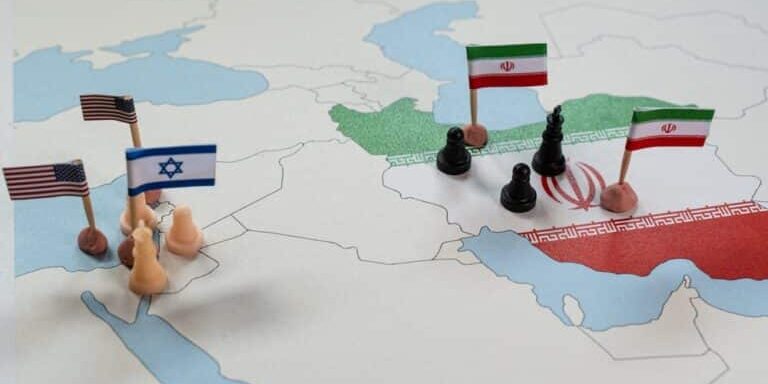
America has now launched strikes against Iran amid rising tensions tied to Israel’s conflict with Tehran. Officials say the action was needed to prevent escalation and defend an ally.
But Americans have lived through this cycle before. Iraq. Afghanistan. Libya. Each war began with urgency. Each carried consequences that lasted years—or decades.

And once again, Americans are asking the same question:
Who is this war really for?
The “Mutual Decision” That Raised Questions
President Donald Trump recently suggested that ending the Iran conflict would be “mutual… a little bit,” referencing discussions with Israeli Prime Minister Benjamin Netanyahu.
Trump also emphasized that he would make the final decision. Still, the wording sparked debate.
If American forces are striking Iran and risking retaliation, Americans want clarity about how those decisions are made—and how much influence allies have in shaping them.
Alliances matter. They are part of global politics.
But when military action is involved, Americans expect the priority to remain clear: American interests first.
The Netanyahu Factor
Another detail fueling the debate: Israeli Prime Minister Benjamin Netanyahu has reportedly visited Washington six times since early 2025.
That level of engagement shows just how closely U.S. and Israeli security strategies are aligned.
Israel sees Iran as its greatest regional threat. The United States views Iran as a destabilizing force across the Middle East.
When tensions rise between those two powers, Washington inevitably becomes part of the equation.
The question Americans are asking is simple:
Where does cooperation end and entanglement begin?
The Costs Americans Know Too Well
Every conflict overseas carries consequences at home.
Military action can affect:
- Defense spending
- Global energy prices
- Market stability
- Long-term geopolitical risk
Over time, those pressures land squarely on American households.
The debates may happen in Washington conference rooms, but the economic ripple effects reach gas stations, grocery stores, and family budgets across the country.
Why the Debate Matters Now
The United States has powerful allies and global responsibilities. That reality isn’t going away.
But the American public has grown increasingly skeptical of open-ended foreign conflicts. Many voters want leaders focused first on domestic strength—economic stability, secure borders, and national resilience.
That’s why the strikes on Iran are reigniting an old debate in American politics:
Should the United States continue policing conflicts abroad, or should it narrow its focus to protecting core national interests?
There are no simple answers.
But the question itself is one the American people have every right to ask.
The Bottom Line
The relationship between the United States and Israel is strong and deeply rooted. Cooperation between allies is normal—and often necessary.
But when military action enters the picture, transparency and accountability matter.
Americans deserve clear answers about why wars begin, who influences those decisions, and how the costs will affect the country at home.
Because history shows one thing again and again:
Foreign conflicts may begin overseas.
But sooner or later, their consequences reach American soil.
Want the Full Story Behind the Headlines?
If you want deeper analysis on the forces shaping global conflicts, financial instability, and the decisions coming out of Washington, join the DeDollarize News Inner Circle.
Members get exclusive reports, insider analysis, and critical insights the mainstream media rarely covers.
Right now, you can join for just $19.95 per month through this special offer.