GOLD AND SILVER ARE COILING FOR A BREAKOUT — But One Economic Trigger Could Ignite the Next Precious Metals Explosion

Gold and Silver Aren’t Weak — They’re Waiting
A lot of investors are getting frustrated right now.
Gold isn’t exploding higher fast enough.
Silver keeps teasing breakouts before pulling back.

Financial media keeps asking the same tired question:
“If inflation is still high and the world is unstable, why aren’t gold and silver soaring?”
The answer is simpler than most analysts want to admit.
The precious metals market isn’t broken.
It’s compressing.
And historically, periods like this often come right before major moves.
According to Sucden Financial, the long-term fundamentals for both gold and silver remain extremely supportive. The problem is that markets are still waiting for one major catalyst to unleash the next leg higher.
Personally, I think that catalyst is coming sooner than most people realize.
The Federal Reserve Is Trapped — And Gold Knows It
Sucden pointed out that elevated Treasury yields and a strong U.S. dollar are currently acting as headwinds for precious metals.
That’s true.
But let’s talk about why yields remain elevated.
Because the Federal Reserve is trapped.
If they cut rates too quickly, inflation could surge all over again.
If they keep rates high too long, they risk breaking the economy, detonating debt markets, and triggering massive defaults across commercial real estate, banking, and corporate debt.
This is what happens when governments print trillions of dollars out of thin air for years and pretend there won’t be consequences.
The Fed is trying to balance on a razor blade.
And gold investors understand that better than anybody.
Gold Is Being Artificially Suppressed by the Dollar — Temporarily
Right now, the strong dollar is limiting gold’s upside momentum.
But here’s the part most retail investors miss:
The dollar’s strength isn’t necessarily a sign of economic health.
Sometimes it’s simply a reflection of global fear.
When uncertainty spikes, investors still rush into dollars because the global financial system remains dollar-centric for now. But underneath the surface, confidence in fiat currencies continues eroding worldwide.
That’s why central banks keep buying gold aggressively.
That’s why BRICS nations continue pushing alternative trade settlement systems.
That’s why de-dollarization is accelerating quietly in the background while mainstream media barely discusses it.
The dollar may look strong today.
But structurally?
The foundation keeps weakening.
And when confidence eventually cracks, gold will not move slowly.
Gold ETFs and Institutional Demand Tell the Real Story
One of the most important takeaways from the Sucden report is that gold ETF holdings remain historically elevated despite recent volatility.
That matters.
Because institutional money hasn’t abandoned gold.
They’re holding positions even during pullbacks.
That tells you smart money still sees long-term value in bullion.
Meanwhile, ordinary investors keep getting shaken out emotionally by short-term price swings.
I’ve been in finance long enough to recognize this pattern.
Weak hands sell volatility.
Strong hands accumulate weakness.
The institutions understand something many Americans still don’t:
Gold isn’t just a trade anymore.
It’s becoming financial insurance against monetary instability itself.
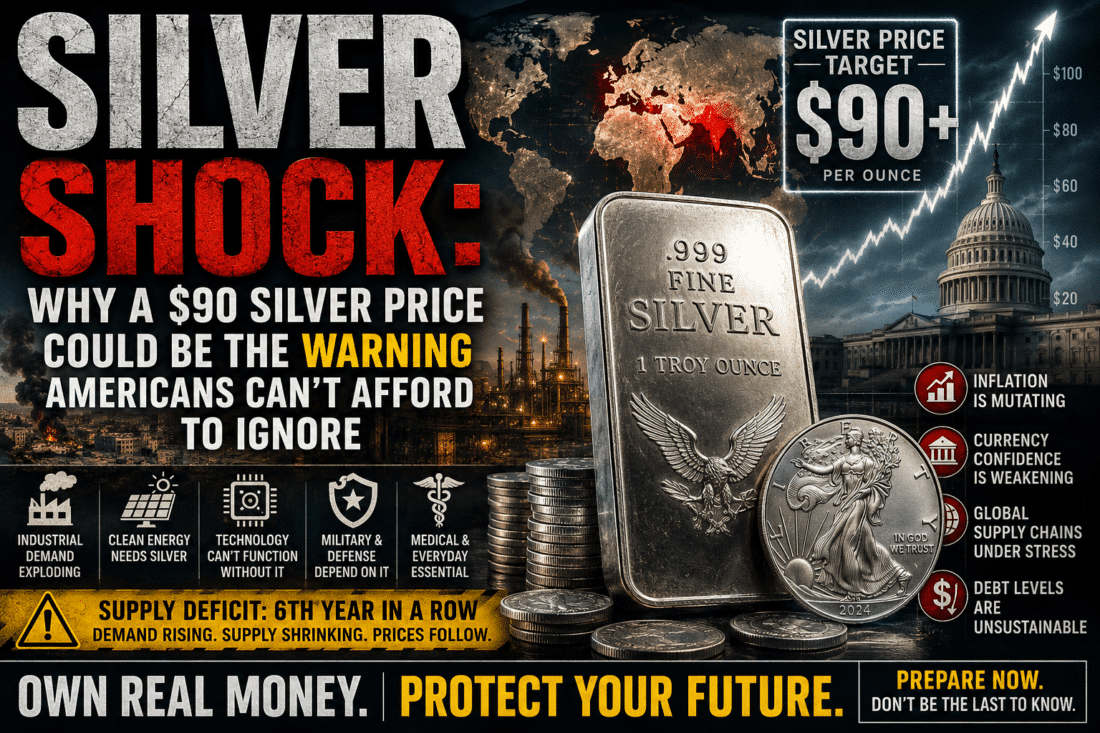
Silver Could Be the Most Undervalued Hard Asset in the World
Now let’s talk about silver.
Because in my opinion, silver remains one of the most overlooked opportunities in the entire financial system.
Sucden highlighted several extremely bullish factors:
- Persistent global supply deficits
- Low speculative positioning
- Tight physical markets
- Reduced institutional exposure
- Strong industrial demand potential
That combination is explosive under the right macro conditions.
Silver isn’t just a monetary metal.
It’s also a critical industrial resource used in:
- Solar panels
- Electric vehicles
- AI infrastructure
- Electronics
- Military technology
- Medical applications
And unlike fiat currency, governments can’t print more silver.
That’s why long-term supply shortages matter so much.
Industrial demand keeps rising while above-ground inventories continue tightening.
At some point, basic supply-and-demand math takes over.
Why Silver Could Outperform Gold in the Next Cycle
Sucden also made an important point many people overlook:
Silver tends to outperform gold during “soft landing” environments.
If inflation cools modestly while the Fed begins easing rates without a deep recession, silver could explode higher because:
- Liquidity improves
- Manufacturing stabilizes
- Industrial demand rises
- Investment demand returns simultaneously
That creates a potentially powerful double tailwind.
Historically, silver often lags gold early in a precious metals cycle before dramatically outperforming later.
And because silver markets are much smaller than gold markets, even modest investment inflows can create violent price moves.
That’s why silver rallies can feel almost unbelievable once momentum truly starts.
The Real Danger: Most Americans Own No Precious Metals at All
Here’s what concerns me most.
The average American still owns little to no physical gold or silver.
Instead, they remain heavily exposed to:
- Overvalued stock markets
- Inflated housing prices
- Banking system counterparty risk
- Fiat currency devaluation
- Government debt bubbles
Meanwhile, central banks are stockpiling gold.
Institutional investors are increasing alternative asset exposure.
And countries around the world are preparing for a less dollar-dependent future.
There’s a massive disconnect between what large institutions are doing and what ordinary people are being told to do.
That gap won’t stay hidden forever.
Why the Next Catalyst Could Arrive Suddenly
Sucden says gold and silver need a fresh catalyst.
I agree.
But catalysts don’t usually arrive with warning labels.
Sometimes it’s:
- A banking crisis
- A sovereign debt scare
- A credit market freeze
- A recession
- A geopolitical escalation
- A failed Treasury auction
- A sudden Fed policy reversal
The system looks stable… until it suddenly doesn’t.
That’s how financial crises work.
And when confidence breaks, capital moves incredibly fast.
Gold and silver don’t need perfect conditions to rise.
They simply need enough investors realizing simultaneously that the current monetary system is becoming increasingly unstable.
Precious Metals Are About Freedom as Much as Wealth
I grew up understanding the value of hard-earned money.
And what worries me today isn’t just inflation.
It’s control.
Governments worldwide are moving toward centralized digital financial systems. CBDCs, transaction monitoring, programmable money — the infrastructure is being built piece by piece.
Physical gold and silver exist outside that system.
They’re private.
They’re tangible.
They carry no counterparty risk.
And they’ve survived every monetary experiment in human history.
That’s why precious metals ownership isn’t just about investment returns anymore.
For many people, it’s becoming a form of financial independence.
Join the Dedollarize Inner Circle Before the Next Breakout Begins
Gold and silver may be consolidating right now, but underneath the surface, the pressure keeps building.
Institutional demand remains strong.
Supply deficits continue growing.
Global debt keeps expanding.
De-dollarization accelerates.
And the Federal Reserve remains trapped between inflation and recession.
The next major move in precious metals could happen far faster than most investors expect.
That’s why now is the time to prepare — before panic buying begins.
Join the Dedollarize Inner Circle today for exclusive market insights, precious metals analysis, wealth protection strategies, and uncensored financial commentary the mainstream media won’t give you.
Because once the next catalyst arrives, the smart money won’t wait around for permission.