Alarm Bells on the Dinner Table: How Soaring Beef Prices Are Crushing American Families

Beef Prices Are Not an Abstraction — They’re a Cliff Edge for Hardworking Families
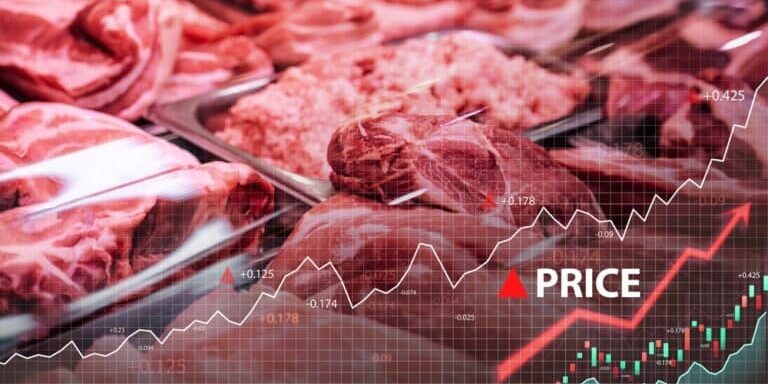
The Fox article notes that ground beef prices are up ~12.8 percent year over year, roasts ~13.6 percent, and steaks ~16.6 percent — far exceeding general food inflation. That kind of jump doesn’t “squeeze the budget”; it snaps it.
When your grocery bill is already eating 20–30 percent of your disposable income, a ~15 percent surge in one staple can force impossible sacrifices: skipping protein, stretching out meals, resorting to cheaper but less nutritious substitutes. And this doesn’t affect everyone equally — lower and middle‑income families, already stretched thin, bear the brunt.
Worse—this isn’t a one‑off. The Fox piece itself mentions the root causes: drought, forage loss, forced herd liquidation, rising input costs (feed, fuel, labor), tariffs, and import controls. In other words, structural stresses that won’t reverse overnight.

Put simply: what consumers see as “expensive meat” is in fact a symptom of a collapsing food supply chain under stress — and the collapse has a face, and that face is every average American family trying to put dinner on the table.
Gen Z Is Paying Twofold: Rising Prices + Fewer Job Prospects
As I write this, the youngest adults in America are caught in a vice grip: they face high unemployment and rising costs simultaneously. Youth unemployment sits at 10.8 percent — up from 9.8 percent a year earlier.
Among those aged 20 to 24, unemployment pressures and job scarcity are particularly acute. Gen Z job prospects have already begun to deteriorate.
That means: a young adult who might have contributed part of their income to the household (or expected to soon) is more likely to be jobless — and even if working, earning less in real terms as costs explode. Many Gen Zers are forced into gig work, part‑time roles, or sectors (retail, food service) with low wage growth. The margin for error is razor thin.
So when beef prices surge, these young people don’t just feel “more expensive meat” — they feel it in their survival. They’re less able to absorb the shock, more likely to skip meals, and more vulnerable to hunger or nutritional compromise. Over time, that contributes to generational inequality: older households may buffer by drawing on savings or fixed assets; younger ones have no cushion.
Inflation + Job Woes = A Moral Crisis, Not Merely an Economic Problem
The conventional framing is: “supply shortage leads to higher prices.” That’s technically true — but it misses the political question: why are we so fragile that a drought or pandemic or trade restriction can torpedo food security?
It’s a sign of a system that has hollowed out resilience, underinvested in local production, allowed monopolistic supply chains, and allowed food costs to become a speculative asset. The fact that ranchers are calling for government “help” underscores they too are under pressure — but that help often comes in forms that favor large agribusiness or bailouts rather than genuine structural reform.
Meanwhile, families cooking at home become the shock absorbers. They are forced to eat cheaper, less healthy, skip meals, or go into debt just to feed their children. This is inflation’s cruelest trick: it punishes the vulnerable for a crisis they didn’t cause.
In a normal economy, when supply squeezes hit, robust incomes, strong community safety nets, and diversified local systems soften the blow. Today, our safety nets are threadbare, wages stagnant, and local production often sacrificed to consolidation and globalization.
What This Means Politically — And What Must Be Done
This kind of crisis is never neutral. It reshapes power, favors large firms that can absorb or pass on costs, and forces families into dependency (food stamps, subsidies) rather than autonomy. It magnifies inequality — between rural and urban, rich and poor, generations.
We must demand:
- Transparent supply chain oversight. No more hiding behind “global markets” when domestic production fails.
- Support for local, regenerative agriculture to rebuild food resilience.
- Tariff and trade policy reform that doesn’t punish consumer choice or hurt small producers.
- Living wage laws and wage indexation so that as essential costs rise, purchasing power doesn’t collapse.
- Targeted support for young workers and families – not handouts, but structural investment in training, job creation, apprenticeships, and local food systems.
Final Word
We’re watching a cascading collapse: climate stress, trade shocks, supply constraints, inflation — all hitting at once. But the weakest link in the chain is always the family trying to eat. And among them, the youngest generation — Gen Z — is already gasping for air under unemployment, debt, and cost inflation.
This record beef price isn’t just a market blip. It’s a warning flare. If we don’t act, we won’t just lose steak dinners — we lose dignity, stability, and generational hope.
Take action. Demand structural reform. Resist the narrative that high prices are inevitable. Defend your household’s sovereignty.
And while you’re at it, download Seven Steps to Protect Yourself from Bank Failure by Bill Brocius. The fewer surprises from the system, the better off your family will be.
— Derek Wolfe