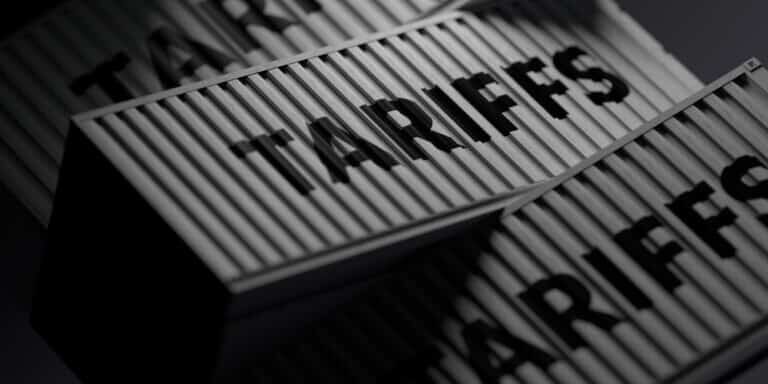
U.S. Threatens 500% Tariffs on BRICS Energy Importers — What It Means for Your Money and the Global Reset

The Bill That Could Trigger a Trade Earthquake
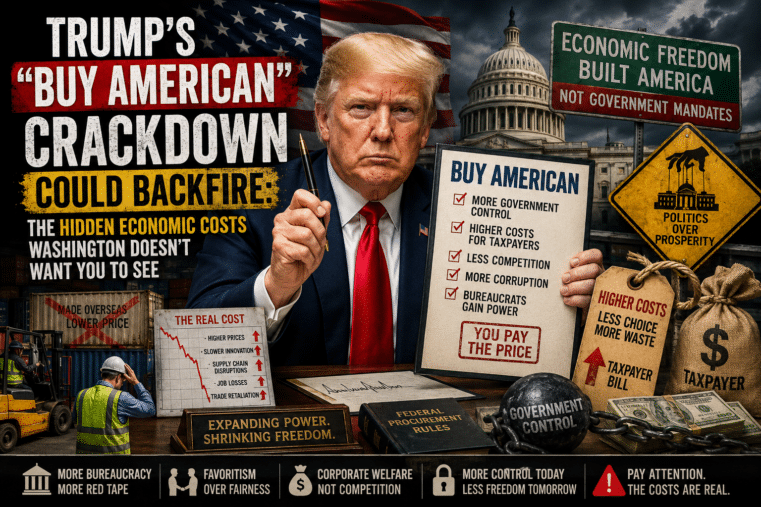
On January 8, 2026, President Donald Trump signed a controversial bill into law — the Sanctioning Russia Act of 2025 — which allows the imposition of massive tariffs of at least 500% on imports from any nation that “knowingly engages” in buying Russian-origin petroleum or uranium. Though not explicitly naming them, this legislation targets the BRICS nations — particularly China and India, which are among the largest importers of Russian energy.
What’s new here is not just another layer of sanctions — it’s the scope, scale, and unprecedented nature of the tariffs. A 500% duty on imports isn’t a fine. It’s an economic guillotine.
The logic, according to lawmakers like Senator Lindsey Graham, is simple: Cut off the financial arteries flowing to Moscow’s war machine by punishing any nation that keeps buying cheap Russian oil. The practical result? An open trade war with key BRICS nations, right as they continue building an alternative financial and currency infrastructure outside U.S. control.

The Real Target Isn’t Just Russia — It’s the BRICS Alliance
Let’s not kid ourselves. This isn’t just about punishing Russia — it’s about undermining BRICS as an economic bloc.
The BRICS countries — Brazil, Russia, India, China, and South Africa (and now including Saudi Arabia, UAE, Iran, Egypt, and Ethiopia as of 2024) — have been actively working to circumvent the U.S. dollar, establish independent trade settlement systems, and challenge Western dominance over global trade and finance.
By threatening these countries with 500% tariffs if they continue sourcing energy from Russia, the U.S. is applying direct pressure on the economic arteries of the BRICS system. The goal? To force BRICS members to choose: do business with Washington or Moscow — but not both.
This isn’t mere foreign policy — it’s economic warfare at a global scale.
What This Means for You: The Coming Storm in Global Markets
Here’s what you, the reader, must understand:
This bill signals a tectonic shift in how the global financial system functions. It shows that the U.S. is willing to weaponize trade to enforce geopolitical outcomes — even at the cost of global market stability.
If these tariffs are implemented — and not waived or delayed — here’s what to expect:
- Disrupted Supply Chains: A 500% tariff on Chinese or Indian goods would make their exports to the U.S. economically unviable overnight. Think rising costs on everything from electronics to clothing to pharmaceuticals.
- Global Retaliation: These countries won’t take it lying down. Retaliatory tariffs and a further break from U.S.-centric financial systems would accelerate the de-dollarization trend already in motion.
- Commodity Price Volatility: Energy markets could be rocked. If BRICS members are forced to adjust oil sourcing or retaliate, expect spikes in oil prices — and inflation at home.
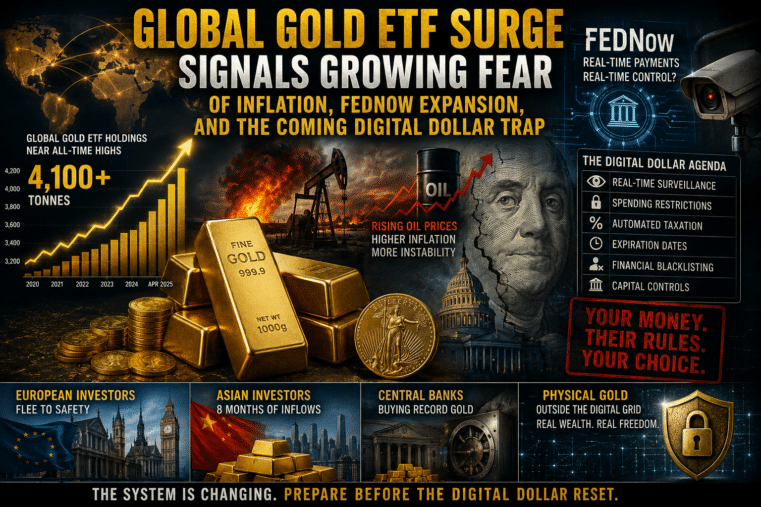
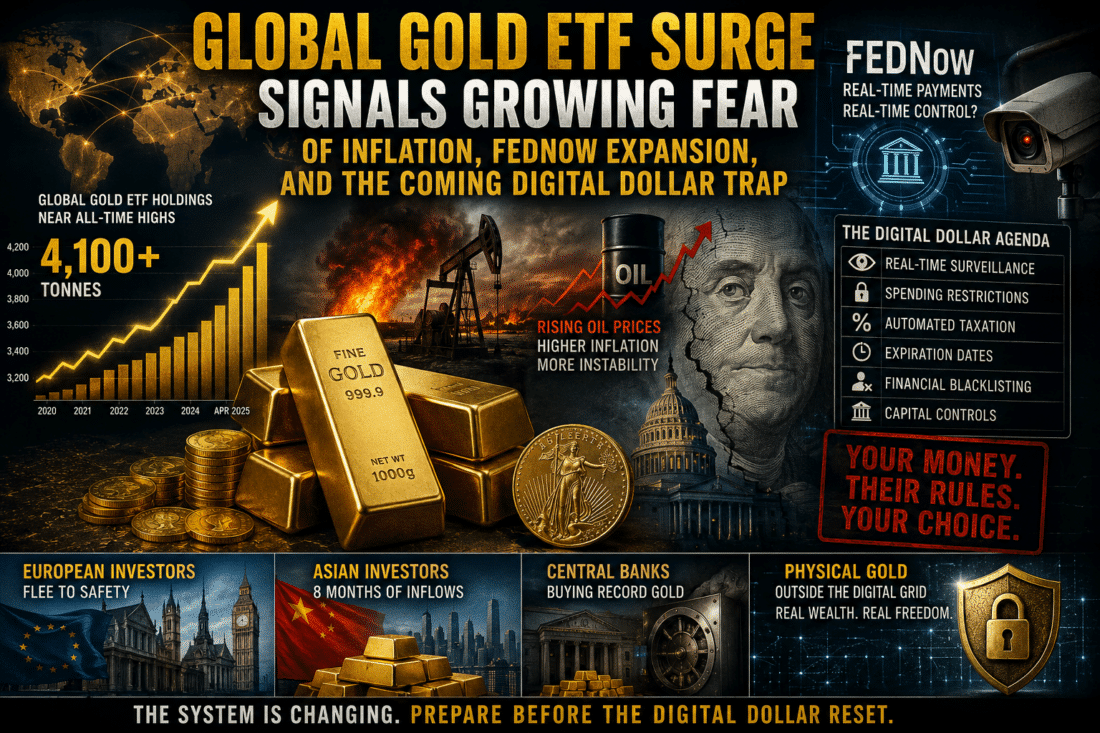
- Investment Uncertainty: Markets hate uncertainty. If U.S.–BRICS trade relationships fracture, expect market volatility and growing demand for alternative assets — gold, commodities, and digital currencies that operate outside of traditional financial rails.
In short, this isn’t just a diplomatic headline. It’s a financial fire alarm — and it could have direct consequences on your savings, your portfolio, and your purchasing power.
The Bigger Picture: The Financial System Is Shifting
This bill is a stark reminder that the U.S. dollar’s role as the global reserve currency is under siege — and Washington knows it. The dollar was once the unquestioned backbone of international trade. Today, it’s becoming a political weapon, subject to partisan agendas and executive whims.
That reality is forcing countries to build parallel financial systems — and ordinary citizens like you to start asking tough questions:
- What happens when global trade no longer runs through the dollar?
- What happens when BRICS nations stop buying U.S. debt?
- What happens when the next phase of the financial system rollout is centralized digital control — not freedom?
These aren’t hypotheticals. They’re the next chapter in the financial reset already unfolding before our eyes.
What You Should Do Now
If you’ve been following my work, you already know where this is headed. This is why I’ve written The Digital Dollar Reset Guide — to help you prepare for what comes after the dollar’s dominance and how to protect your assets in the face of weaponized finance and geopolitical chaos.
Every move like this — every sanction, every tariff, every trade war — accelerates the coming reset. You don’t want to be caught off guard when the system tips.
🛡️ Download the guide now and take the first step to securing your financial independence before the reset hits:
👉 Get The Digital Dollar Reset Guide — FREE
Final Word: It’s All Connected
What looks like a trade bill is actually a warning shot in the global economic war. The dollar is being defended not by trust — but by force. And that’s not sustainable.
The world is realigning. The center is shifting. Now is the time to protect yourself.
Stay alert. Stay sovereign.
— Bill Brocius
DedollarizeNews.com