America’s Phantom Boom: 7 Sectors Already in Collapse

Ignore the Averages — The System’s Already Bleeding Out
They’ll point to GDP growth and low unemployment as proof the economy’s still chugging along. But averages are where truth goes to die. What matters is where the damage is — and it’s hitting the foundational sectors that keep this whole machine running.
Residential housing? Crumbling. Commercial real estate? Dead weight. Freight? Idle. Restaurants? Hollowed out. Government budgets? Gasping for air. These aren’t outliers — these are pillars. And they’re falling, one by one, while the Fed cheerleads from the skybox.

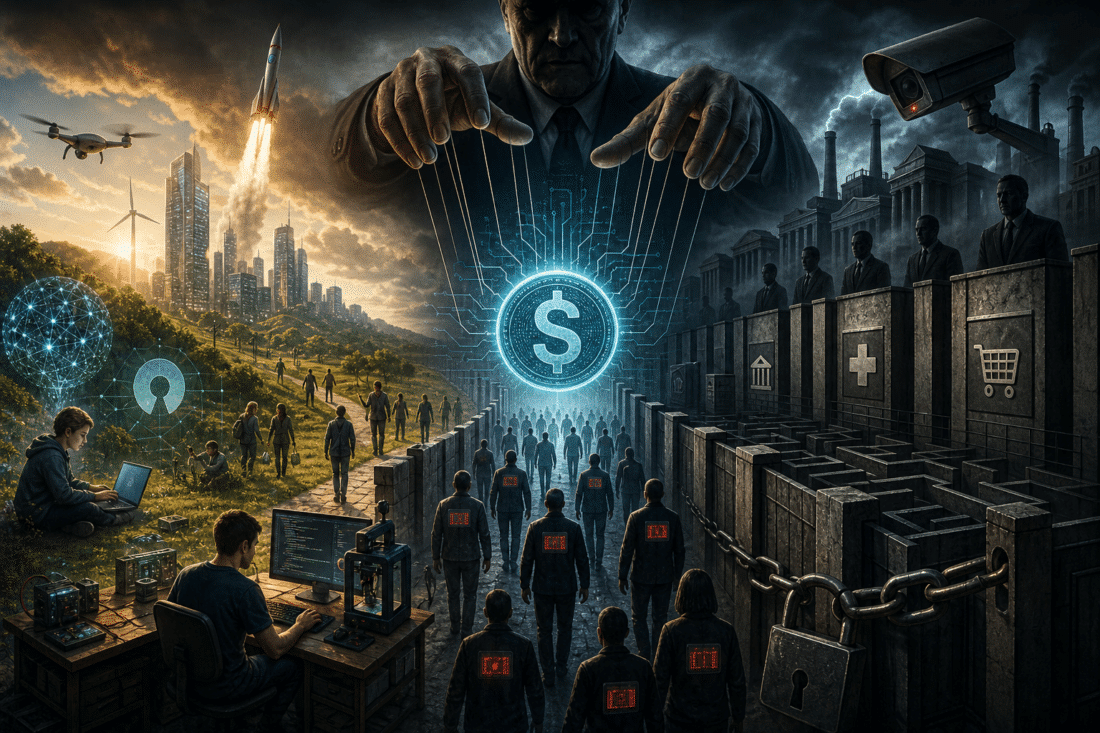
The ruling class will never admit the economy is tanking until it serves their agenda. They'll wait for panic — then swoop in with new “solutions” that always seem to consolidate more control: digital dollars, stimulus-for-surveillance tradeoffs, and emergency executive orders. We’ve seen the playbook before.
Here’s What the Recession Looks Like in the Real World
- Homebuilders are choking on unsold inventory
They ramped up supply during the pandemic money-printing spree, and now they’re sitting on a mountain of empty shells. Permits are down, confidence is collapsing — and still, they're overstaffed. That means layoffs are inevitable. - Commercial real estate is a ghost town in the making
Outside of a few AI server farms, no one’s building anything. Architectural billings — a canary in the economic coal mine — are flatlining. When the blueprints stop, the cranes stop, and the workers vanish. - Restaurants are bleeding dry
Chains like Chipotle and Sweetgreen are watching sales dry up in key demographics. Meanwhile, inflation keeps hammering their margins. Fewer customers. Higher costs. Overstaffed kitchens. The math only ends one way — layoffs and closures. - Government jobs? Say goodbye
State and local budgets are running on fumes now that the COVID sugar-high is over. When the money dries up, the pink slips come next. Federal employment’s already taken hits — now the rot’s spreading to the states. - Freight’s been gutted
Asia-to-U.S. ship traffic is down 30%. Railcar loadings? Down 6%. Trucking? Shrinking capacity. The arteries of real commerce are clogging up. When freight slows down, recession isn't coming — it’s already here. - Mining and energy are tapped out
Crude prices are too low to justify new drilling, and lumber mills can’t profit at current prices. When extractive industries stop investing, they’re betting the future isn’t worth digging for. - Higher education is imploding
Enrollment’s dropping, budgets are collapsing, and the student debt racket is under threat. The ivory towers are quietly laying off — but don’t expect the New York Times to cry for tenured faculty.
The Real Risk: A Self-Feeding Collapse
The mainstream wants you to think we’re on a gentle glide path, but downturns don’t work like that. They’re not linear — they’re avalanches. One weak month leads to two bad ones. A few layoffs turn into mass firings. People stop spending. Businesses cut back more. And the loop spins faster.
And when the system finally admits the truth? That’s when the real crackdown begins.
This Is the Endgame of Central Planning
What we’re seeing is the consequence of a system built on fake money, manipulated signals, and delusional top-down control. Every “solution” they’ve thrown at the last crisis has been a band-aid on a bullet wound. And now the rot has reached the bone.
They won’t call it a recession yet because they don’t want panic. But by the time they do, it’ll be too late to act.
What You Need to Do Before the Avalanche Hits
The next wave won’t just wipe out jobs — it’ll crush savings, devalue the dollar, and push more people into the digital corral. Don’t wait to be herded.
Download Seven Steps to Protect Yourself from Bank Failure by Bill Brocius — it's free, it's fast, and it might just save your assets:
Download Now
Don’t trust the headlines. Watch the cracks. They’re already spreading.
Stay dangerous.
— Derek Wolfe