US National Debt Crisis Explodes Past GDP—What Record Debt Levels Mean for Inflation, Growth, and Your Financial Future

US National Debt Surpasses GDP: A Historic Turning Point
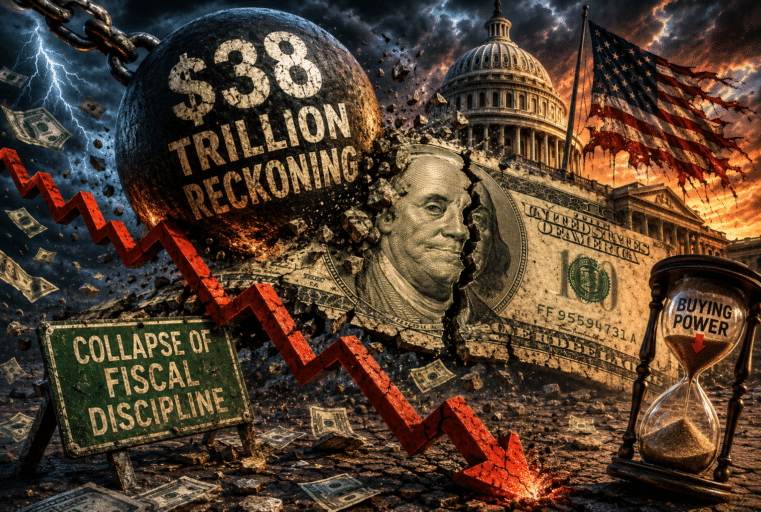
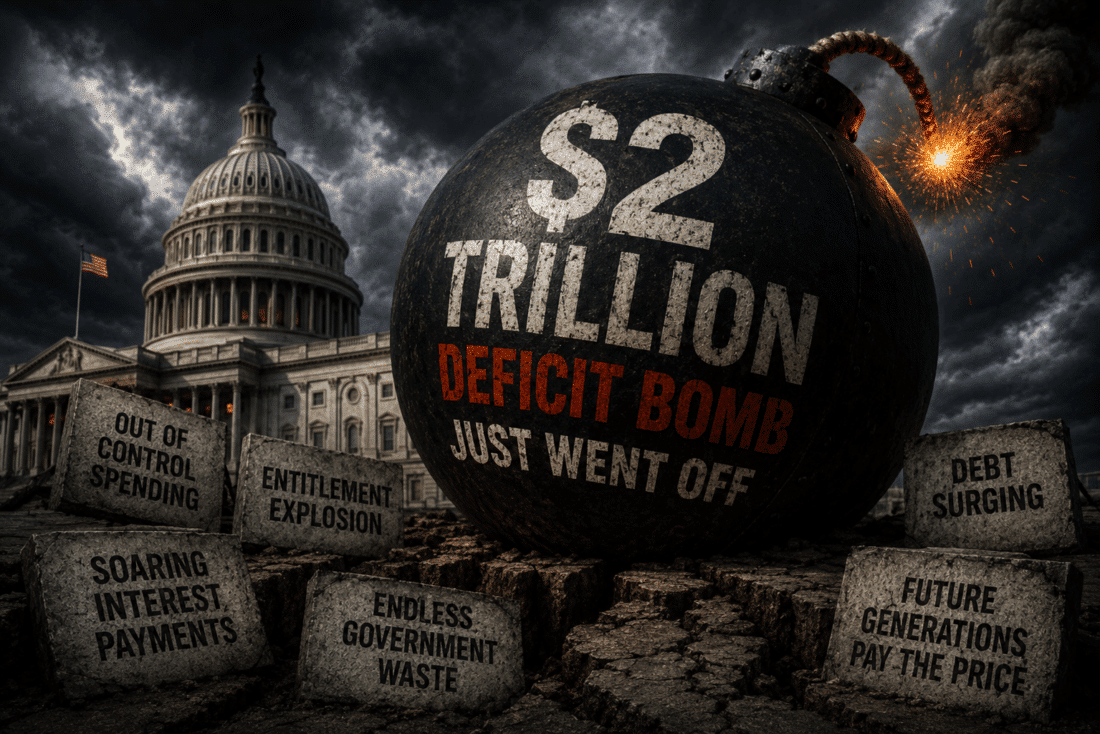
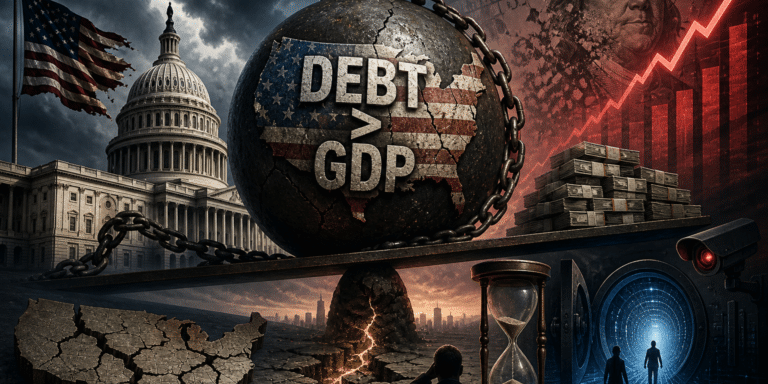
For the first time since the aftermath of World War II, U.S. national debt has officially exceeded the size of the entire economy.
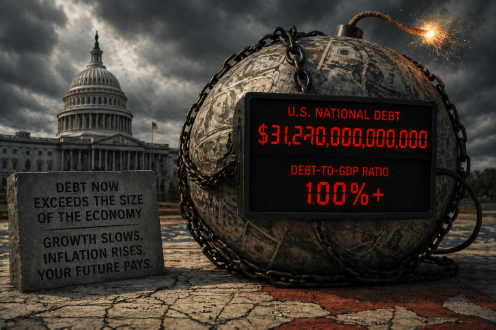
- Public debt: $31.27 trillion
- GDP: $31.22 trillion
- Debt-to-GDP ratio: Over 100%
This isn’t just symbolic—it’s structural.
Debt-to-GDP is one of the most important indicators of a country’s fiscal health. Crossing 100% signals that the nation owes more than it produces in a year. Historically, that’s where pressure starts to build—on growth, on policy, and on the currency itself.

Back in 1946, this level was reached under extreme circumstances—global war. Today? It’s the result of sustained deficit spending and political gridlock.
That difference matters.
Why Debt-to-GDP Matters More Than the Raw Numbers
A $31 trillion debt figure is massive—but on its own, it doesn’t tell the full story.
Debt-to-GDP puts that number into context:
- It measures sustainability
- It reflects repayment capacity
- It signals long-term economic risk
When debt grows faster than the economy, the imbalance compounds over time.
That’s exactly what current projections show.
The Debt Spiral: Why the Situation Is Expected to Get Worse
According to Congressional Budget Office projections:
- Debt-to-GDP could hit 108% by 2030
- It could reach 120% within the next decade
- Annual deficits are on track to surge toward $3 trillion
This isn’t stabilization—it’s acceleration.
The core issue is simple: the U.S. is borrowing faster than it’s growing. And unless that changes, the gap widens indefinitely.
The Real Economic Consequences of Rising US Debt
This isn’t abstract policy talk. Rising national debt has direct, real-world consequences:
Slower Economic Growth
As government borrowing increases, it crowds out private investment. Capital that could fund innovation and business expansion gets diverted to financing government deficits.
Higher Interest Rates
More debt means more supply of Treasury securities. To attract buyers, yields rise—pushing borrowing costs higher across the economy.
Rising Inflation Pressures
When debt becomes too large to manage conventionally, governments often rely on monetary expansion. That’s a polite way of saying currency dilution.
Exploding Interest Payments
Servicing the debt becomes one of the largest line items in the federal budget—squeezing out spending elsewhere or forcing even more borrowing.
This is how debt feeds on itself.
From Wartime Borrowing to Structural Dependence
The last time the U.S. crossed this threshold, it was emerging from World War II—a one-time, extraordinary event.
Today’s debt buildup is fundamentally different:
- It’s persistent
- It’s policy-driven
- It’s bipartisan
There’s no external crisis forcing this level of borrowing. It’s become the default operating mode.
That’s what makes it dangerous.
The Political Reality: No Easy Fixes
Reducing debt requires difficult choices:
- Cutting spending
- Raising taxes
- Slowing entitlement growth
None of those are politically popular.
Even proposals to stabilize debt—like reducing deficits to 3% of GDP—require trillions in adjustments over time.
And so far, there’s little indication that meaningful action is imminent.
The Risk of a Fiscal Crisis
At some point, markets start to question sustainability.
That’s when things shift from gradual deterioration to sudden instability:
- Investors demand higher yields
- Currency confidence weakens
- Capital flows become volatile
A fiscal crisis doesn’t announce itself in advance—it builds quietly, then arrives all at once.
The warning signs are already in place.
My Take: This Isn’t a Future Problem—It’s a Present Reality
The biggest mistake people make is treating national debt as a distant issue.
It’s not.
It’s already shaping:
- Interest rates
- Inflation trends
- Economic growth
- Market stability
Crossing 100% debt-to-GDP isn’t the crisis—it’s the confirmation that the system is under strain.
And the trajectory points in one direction: more borrowing, more pressure, and fewer options.
What This Means for Financial Strategy Going Forward
In an environment defined by rising debt and fiscal imbalance, traditional assumptions start to break down.
Key considerations:
- Expect persistent inflationary pressures
- Prepare for policy shifts and market volatility
- Understand that currency value may erode over time
- Recognize that debt-driven systems tend to prioritize stability over purchasing power
The rules change when debt reaches this scale.
Final Thought: The Clock Is Ticking on Fiscal Stability
Debt doesn’t collapse economies overnight—but it reshapes them gradually.
The U.S. has crossed a threshold that historically signals increasing constraints and diminishing flexibility.
What happens next depends on policy decisions—but the current path is clear.
And the longer corrective action is delayed, the more disruptive the eventual adjustment becomes.
Take Action as Rising National Debt Reshapes the Financial System
If you’re paying attention, the pattern is clear—rising debt, growing deficits, and increasing pressure on the financial system.
But there’s another layer most people still aren’t seeing.
As governments struggle to manage unsustainable debt levels, the push toward tighter financial control is accelerating through systems like FedNow and the development of central bank digital currencies (CBDCs).
That opens the door to:
- Government financial surveillance
- Programmable money and spending restrictions
- Further erosion of financial autonomy
If you want to understand where this is heading—and how to prepare—you need to get informed now.
The Digital Dollar Reset Guide by Bill Brocius breaks it all down in plain terms and gives you actionable strategies to protect your wealth in a rapidly changing system.
This isn’t optional reading—it’s essential.