Beijing’s Mineral Ultimatum: How China Just Weaponized the Trade War—and Why It Should Terrify You

China Just Pulled the Trigger
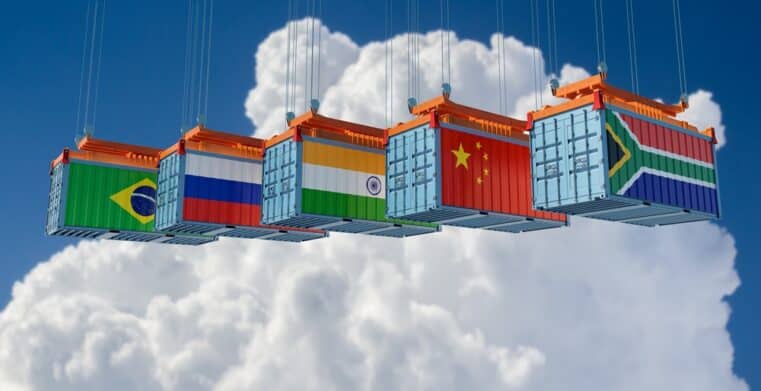
China has pulled the trigger on a weapon it’s been quietly loading for over a decade—rare earth minerals. This week, Beijing announced sweeping export restrictions on critical materials used in semiconductors, defense systems, and artificial intelligence infrastructure. While D.C. debates tariffs and blusters over trade deficits, the Chinese Communist Party is playing the long game—tightening control over resources the modern world simply cannot function without. If you're waiting for someone in Washington to act with foresight and urgency, you're waiting for a miracle that’s not coming.
Not Just a Trade Tactic—This Is Economic Warfare
Let’s be blunt: this isn’t just a “trade tactic”—it’s economic warfare. And unlike America’s tariffs, which can be sidestepped or restructured, China’s control over rare earths is rooted in hard infrastructure, decades of planning, and brutal efficiency. According to recent reports, the CCP is now targeting more minerals and restricting exports of any product containing them. That’s a gut punch not just to the tech sector, but to U.S. national defense. And if you think this ends with semiconductors, you haven’t been paying attention.
Trump Responds, But Is It Too Late?
President Trump took to Truth Social with fire and fury, claiming, “There is no way that China should be allowed to hold the world captive.” He’s right—but he’s also late. We’ve let China monopolize the very materials that power everything from missile guidance systems to EV batteries, all while our leaders printed trillions and outsourced entire industries. Now, with a likely Xi-Trump summit hanging in the balance, China is signaling it’s willing to cripple the one U.S. sector still driving GDP growth: artificial intelligence.

What This Means for U.S. Industries
Chris Miller, author of Chip War, said it best: “China is signaling, ‘We’re willing to threaten your primary growth driver.’” In other words, Beijing is no longer bluffing. They know the West’s manufacturing base is hollowed out, supply chains are fragile, and inflation is quietly eroding the dollar’s purchasing power. And they’re cashing in that leverage while the White House stumbles through press briefings and hollow promises.
How It Impacts the Average American
While this battle is fought at the highest levels of geopolitics, the fallout will land squarely in the laps of everyday Americans. Here's how:
Higher Prices for Electronics and Vehicles
Rare earth minerals are used in everything from smartphones to electric vehicles. As China throttles supply, production costs will surge. That means the next iPhone or hybrid car will be more expensive—not because of innovation, but because of resource manipulation.
Supply Chain Disruptions
Expect longer wait times for everything from washing machines to medical equipment. Industries that rely on advanced microchips and specialty metals will grind to a halt as inventory runs dry and alternative sources remain years away from scaling up.
Weaker National Security and Higher Taxpayer Costs
The Pentagon relies heavily on rare earths for missile systems, radar, and communications. As the U.S. is forced to scramble for alternative suppliers, military procurement costs will skyrocket—costs that will ultimately be passed on to taxpayers already drowning in debt and inflation.
Inflation Pressure That Won’t Quit
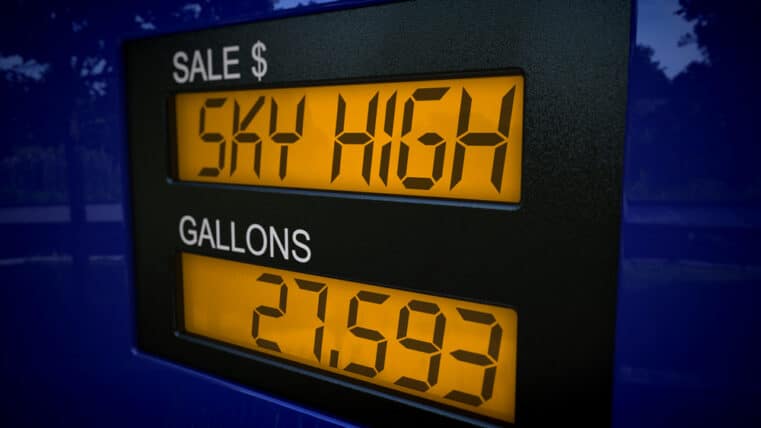
At a time when Americans are already feeling the pinch from groceries to gas, this mineral squeeze will compound inflation. The Fed can’t print rare earths. Scarcity means scarcity—and that means price hikes across the board.
This Crisis Was a Long Time Coming
This crisis didn’t come out of nowhere. I’ve warned readers for years that the so-called “global economy” was a thinly veiled illusion—built on debt, paper money, and the fantasy that nations like China wouldn’t eventually use our dependence against us. Now the façade is crumbling. And unless you take proactive steps now to protect yourself, your wealth, and your family, you’ll be caught flat-footed when the next shockwave hits.
Where to Turn for Real Solutions
Bill Brocius saw this coming. His book, End of Banking As You Know It, outlines exactly how these geopolitical disruptions will cascade through the financial system—and what individuals can do to shield themselves. If you haven’t read it yet, do it today. And for those serious about staying ahead of the next systemic failure, join Bill’s Inner Circle Newsletter for $19.95. It’s where he shares unfiltered analysis, off-the-record intel, and actionable strategies you won’t get anywhere else.
Take Back Control Before It’s Too Late
Want a place to start? Download our free report: “7 Steps to Protect Your Account from Bank Failure”. Because the game has changed—and you can’t afford to play by yesterday’s rules.
🔒 Take Action Now
- 📘 Get Bill’s book End of Banking As You Know It
- 📩 Subscribe to the Inner Circle Newsletter for $19.95/month
- 📥 Download the free guide “7 Steps to Protect Your Account from Bank Failure”
Stay informed. Stay independent. And never trust a system that profits from your dependence.