Gold, Oil Shock, FedNow, and the Quiet Digital Dollar Reset Threatening Financial Freedom

The Oil Shock That Changed Everything Overnight
The headlines will tell you gold is “struggling.” That’s surface-level nonsense.
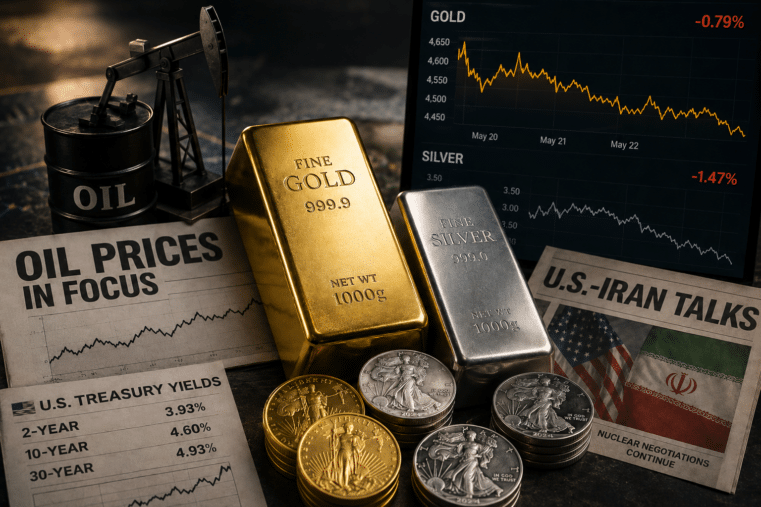
What actually happened is this: oil exploded—from $72 to $118 a barrel—triggering one of the largest supply shocks in modern history. That’s not just a commodity story. That’s a systemic stress signal.
Energy prices are projected to rise another 24% this year. That kind of inflation doesn’t just fade—it embeds itself into the economy. And when inflation sticks, central banks panic.

That panic is what matters.
Because instead of cutting rates like everyone expected, central banks are now frozen. They’re stuck in a tightening posture, watching inflation creep back in through the back door.
And that changes the entire game.
Why Gold Is Holding the Line (Despite the Pressure)
Under normal conditions, rising interest rates are supposed to crush gold. It’s a non-yielding asset, after all.
But here’s where things get interesting.
Gold didn’t collapse. It held. And not just barely.
- Demand rose 2% year-over-year
- Total value surged 74% to a record $193 billion
- Physical buying (bars and coins) jumped 42%
That’s not weak demand. That’s conviction.
Especially when you look at where it’s coming from—Asia, where investors have a long memory of currency instability and government overreach.
They’re not buying gold because it’s trendy.
They’re buying it because they don’t trust the system.
The Real Driver: Debt, Instability, and Monetary Control
Zoom out, and the pattern becomes impossible to ignore.
Global debt is spiraling. Geopolitical tensions are escalating. And central banks are running out of room to maneuver.
That’s why institutions like Bank of America are floating targets as high as $6,000 gold.
Not because gold is magical—but because fiat systems are under pressure.
And when fiat systems get stressed, control mechanisms follow.
We’ve seen this playbook before:
- More intervention
- More oversight
- More “stability measures”
Each one sold as necessary. Each one tightening the net.
FedNow, CBDCs, and the Infrastructure of Financial Surveillance
Now let’s talk about what’s quietly being built while everyone watches oil prices.
The FedNow payment system is already live. Real-time settlement. Instant transfers. Always-on infrastructure.
On its own, that sounds efficient.
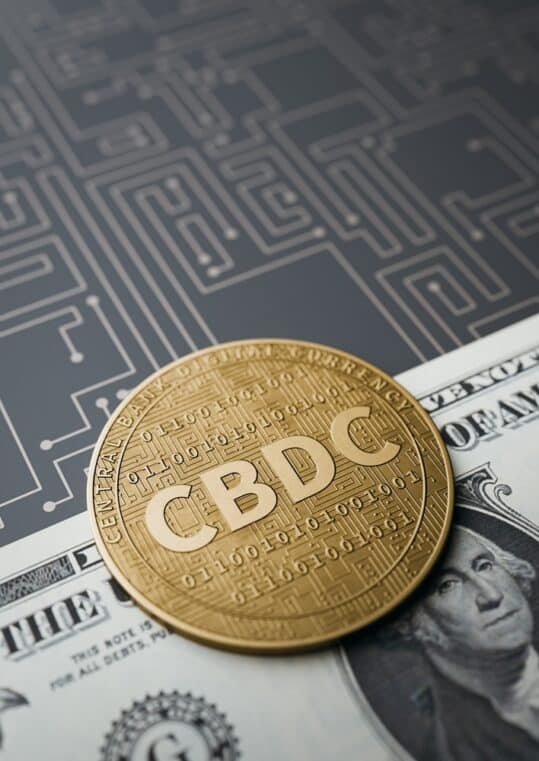
But layer that with the ongoing development of central bank digital currencies (CBDCs), and you start to see the architecture forming.
This isn’t speculation—it’s direction.
A system where:
- Transactions are monitored in real time
- Money can be programmed with conditions
- Access can be restricted or expanded based on policy
That’s what programmable money actually means.
And once that infrastructure is normalized, reversing it becomes nearly impossible.
Gold vs. Programmable Money: The Collision Course
Here’s the part most analysts won’t say out loud.
Gold isn’t just an inflation hedge anymore.
It’s becoming a line in the sand.
Because unlike digital currency systems:
- Gold can’t be programmed
- It can’t be frozen with a keystroke
- It doesn’t rely on centralized approval
It exists outside the system.
And that’s exactly why demand is rising—even when the macro environment isn’t “perfect.”
Investors aren’t just hedging inflation.
They’re hedging control.
The Digital Dollar Reset Is Already Taking Shape
No, there’s no official announcement.
There won’t be.
That’s not how these transitions happen.
Instead, you get gradual shifts:
- Delayed rate cuts
- Persistent inflation pressure
- Expansion of digital payment infrastructure
- Growing acceptance of less cash, more control
Individually, each step looks reasonable.
Together, they point in one direction—a restructured financial system where control is tighter, faster, and more centralized.
That’s what a Digital Dollar Reset actually looks like in the real world.
Not a single event.
A sequence.
What This Means for Financial Freedom
If gold demand is telling us anything, it’s this:
People are preparing.
Not panicking—preparing.
They’re moving into assets that don’t rely on central bank policy or digital infrastructure to retain value.
Because once financial systems become fully digital and programmable, the rules can change overnight.
And when that happens, optionality disappears.
Final Word: Pay Attention to What Gold Is Telling You
Gold isn’t reacting.
It’s signaling.
Despite oil shocks, rate uncertainty, and short-term pressure, it continues to attract serious capital.
That’s not noise.
That’s positioning.
The kind of positioning that happens when confidence in the system starts to erode—quietly, but steadily.
Take Action Before the Window Narrows
If you’re seeing the same signals—rising debt, tightening control, expanding digital infrastructure—then sitting on the sidelines isn’t a strategy.
It’s exposure.
The next phase of the financial system is already forming. And once it’s fully in place, adapting becomes a lot harder.
That’s why understanding what’s coming isn’t optional.
It’s necessary.
Download the Digital Dollar Reset Guide by Bill Brocius Here
Treat it for what it is—essential intelligence for navigating a system that’s changing faster than most people realize.