GOLD JUST SENT A CHILLING WARNING: Iran, Oil Prices, and Fed Panic Could Ignite the Next Financial Crisis

Why Gold and Silver Are Falling — And Why That Should Worry You Even More
Most people see gold pulling back and assume the “fear trade” is over.
I think they’re missing the much bigger picture.
In reality, the current gold price forecast is being driven by far deeper concerns surrounding inflation, rising oil prices, Federal Reserve policy, and growing geopolitical instability.

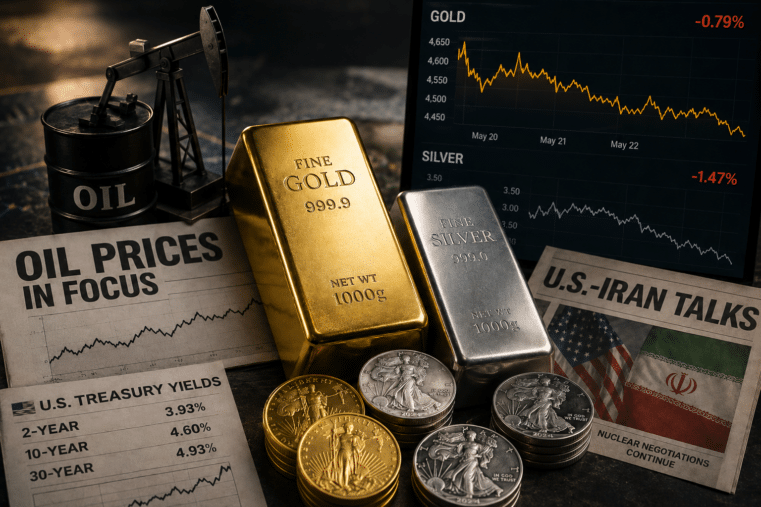
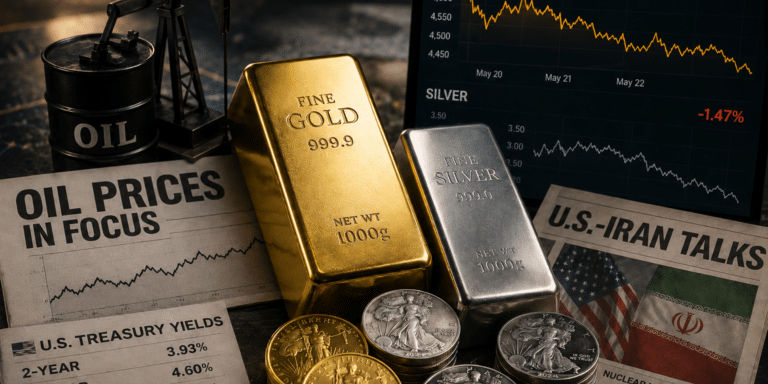
Yes, gold weakened this week. Silver pulled back too. Treasury yields stayed elevated, the U.S. dollar strengthened, and Federal Reserve officials started talking tough about inflation again.
But underneath those daily market moves is a growing global problem that could become extremely dangerous very quickly.
The Middle East is heating up.
Oil prices are surging.
Inflation expectations are rising again.
And the Federal Reserve is trapped in a position with no painless exit.
That combination should concern every American trying to protect their savings and retirement.
The Strait of Hormuz Could Become the Most Important Economic Flashpoint in the World
Most Americans have never heard of the Strait of Hormuz.
But global markets are obsessed with it right now.
Why?
Because roughly one-fifth of the world’s oil supply moves through that narrow waterway.
If tensions between the United States and Iran escalate and shipping through the Strait is disrupted, oil prices could explode almost overnight.
And that’s exactly what markets are starting to fear.
This week, crude oil prices surged toward:
- $98 per barrel for U.S. crude
- More than $105 per barrel for Brent crude
That matters because higher oil prices ripple through the entire economy:
- Gas prices rise
- Shipping costs rise
- Food prices rise
- Manufacturing costs rise
- Inflation accelerates
In other words, Americans get squeezed again.
And the Federal Reserve knows it.
Gold Price Forecast and the Fed’s Inflation Problem
For a brief moment, Wall Street convinced itself inflation was under control.
That fantasy is fading fast.
New consumer sentiment data showed Americans expect inflation to remain elevated both short-term and long-term. Meanwhile, Fed Governor Christopher Waller openly warned that the Middle East energy shock could force the Federal Reserve to consider raising interest rates again.
That shift is becoming a major driver behind the current gold price forecast as investors prepare for renewed inflation volatility and economic uncertainty.
Think about how insane this situation has become.
The economy is already slowing.
Consumers are drowning in debt.
Housing affordability is collapsing.
Banks remain fragile.
And yet the Fed is still talking about MORE rate hikes.
Why?
Because inflation is proving far more persistent than they expected.
That’s what happens after years of reckless money printing and deficit spending.
You can’t flood the system with trillions of dollars and expect prices to magically stabilize forever.
Eventually reality shows up.
And reality is now knocking loudly on the door.
Gold Is Weak Today Because Markets Fear Higher Rates Tomorrow
A lot of investors get confused when gold falls during periods of geopolitical tension.
Shouldn’t gold rise when the world gets dangerous?
Normally, yes.
But right now markets are focused on one thing above all else:
Interest rates.
Higher rates strengthen the dollar and increase Treasury yields, making gold temporarily less attractive because gold itself doesn’t pay interest.
That’s the short-term pressure hitting precious metals right now.
But here’s where most analysts stop thinking.
Because the very same forces causing temporary weakness in gold may eventually trigger a much larger rally later.
The Fed Cannot Fight Inflation Forever Without Breaking Something
This is the part Wall Street doesn’t want ordinary Americans thinking about.
The Federal Reserve is cornered.
If they keep rates elevated:
- Government debt costs explode
- Credit markets weaken
- Consumer spending collapses
- Businesses slow hiring
- Recession risks intensify
But if they stop fighting inflation:
- The dollar weakens
- Energy prices rise further
- Inflation surges again
- Trust in the financial system deteriorates
There is no clean solution anymore.
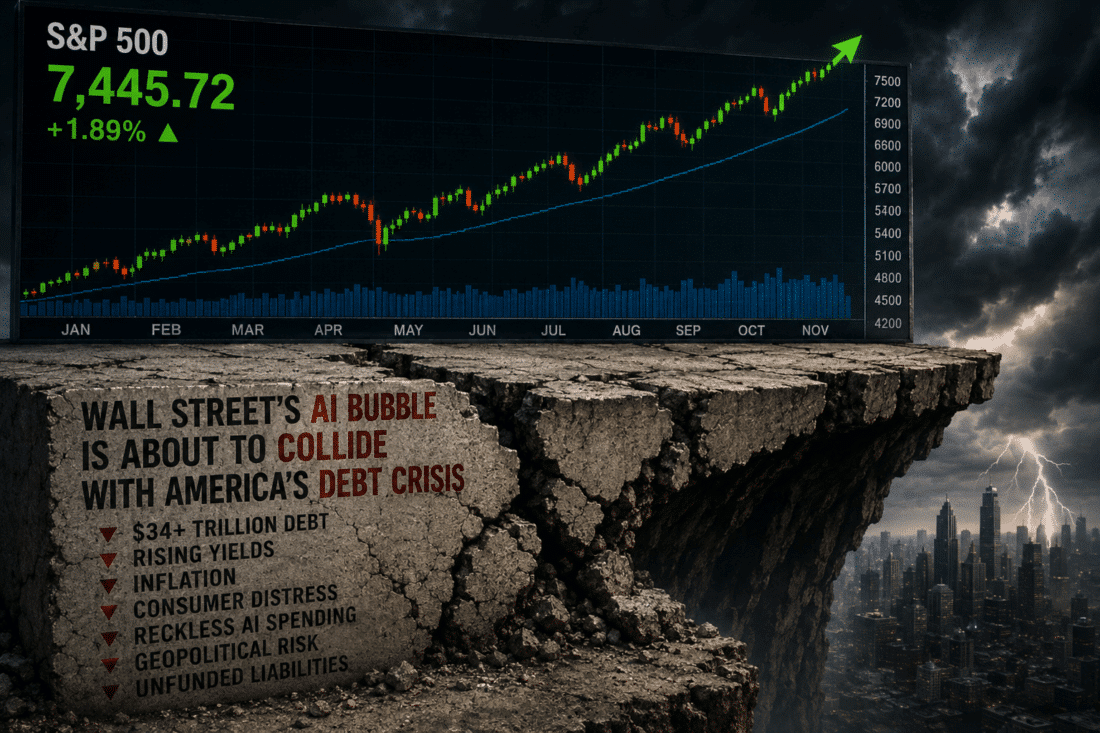
This is what happens when a debt-based economy becomes addicted to cheap money for decades.
The system eventually reaches a breaking point.
And historically, gold and silver thrive during periods when central banks lose control of the narrative.
Why Silver Could Become the Surprise Winner of the Decade
Silver remains one of the most underappreciated assets in the world today.
Most people still think silver is just a cheaper version of gold.
That’s completely wrong.
Silver is both:
- A monetary safe haven
- A critical industrial metal
It’s used in:
- Solar energy systems
- Electric vehicles
- Military technology
- AI infrastructure
- Consumer electronics
- Medical applications
At the same time, physical silver supply remains tight globally.
That creates an explosive setup if:
- Inflation stays elevated
- Investors flee paper assets
- Industrial demand remains strong
- Energy prices continue rising
Silver’s market is tiny compared to gold, meaning money flowing into silver can trigger massive price swings very quickly.
That’s why many experienced investors see silver not just as protection — but as asymmetric opportunity.
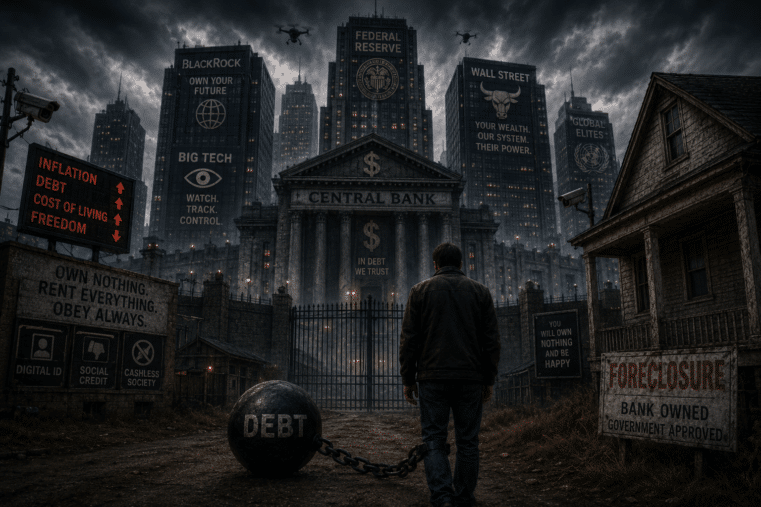
Americans Are Quietly Losing Faith in the System
You can feel it everywhere now.
People don’t trust the numbers anymore.
They don’t believe inflation is “under control” when grocery bills remain painfully high.
They don’t believe the economy is “strong” when credit card balances are hitting records.
They don’t believe housing is healthy when young families can’t afford homes.
The disconnect between official narratives and real-world experience keeps growing.
I’ve worked in finance long enough to recognize the signs.
When confidence starts eroding slowly, most people ignore it.
Then suddenly it accelerates all at once.
That’s often how financial turning points happen.
Gold and Silver Are Becoming Financial Insurance Again
This isn’t about chasing hype.
It’s about understanding risk.
Gold and silver have survived:
- Wars
- Currency collapses
- Banking crises
- Inflationary spirals
- Government mismanagement
Why?
Because unlike paper assets, they don’t rely on political promises or central bank credibility.
That becomes incredibly important during periods of global uncertainty.
And right now uncertainty is spreading across:
- Energy markets
- Debt markets
- Currency markets
- Geopolitical alliances
- Global trade systems
The world is becoming more unstable, not less.
That’s why many investors are increasingly viewing precious metals not as speculation, but as wealth preservation.
The Biggest Mistake Investors Make During Pullbacks
One of the most dangerous habits investors have is confusing short-term volatility with long-term direction.
Gold pulling back for a week or two doesn’t erase:
- Massive global debt
- Persistent inflation
- Fragile banking systems
- Geopolitical instability
- Currency debasement
In fact, temporary weakness often shakes out emotional traders before larger moves begin.
That’s why experienced precious metals investors focus on macro trends, not daily headlines.
And the macro trends today remain deeply supportive for hard assets.
Final Thoughts: The World Is Entering a More Dangerous Financial Era
The combination of rising oil prices, geopolitical instability, inflation pressure, and fragile debt markets is creating conditions we haven’t seen in decades.
Most Americans sense something is wrong even if they can’t fully explain it.
The current gold price forecast reflects growing investor concern that the global financial system is becoming increasingly unstable beneath the surface.
That instinct is probably correct.
The financial system is becoming increasingly unstable beneath the surface.
And when instability rises, hard assets tend to matter again.
Gold and silver may experience short-term volatility along the way, but the long-term forces driving interest toward precious metals are becoming stronger — not weaker.
That’s the part many mainstream analysts still fail to understand.
Join the Dedollarize Inner Circle Before the Next Major Move
The biggest wealth-preservation opportunities often appear before the mainstream media catches on.
If you want exclusive analysis on:
- Gold and silver markets
- Inflation trends
- Federal Reserve policy
- Geopolitical risks
- Energy-driven inflation
- Wealth protection strategies
…then now is the time to get informed.
Because once the panic reaches the headlines, the smart money will already be positioned.