Iran War Escalation Could Cripple American Households — And Washington Seems to Be Blind to That

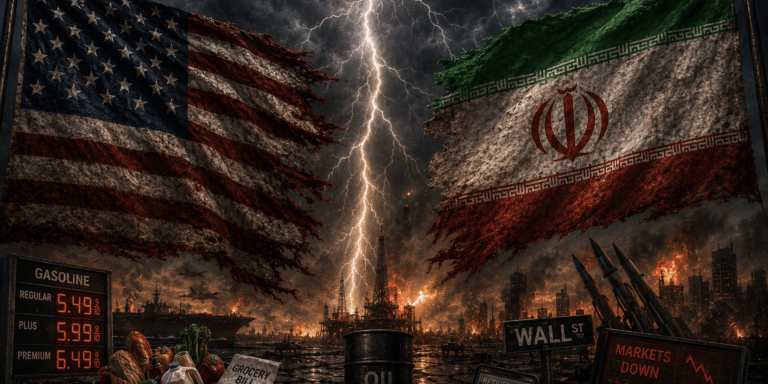
The Iran Crisis Is Becoming an Economic Threat to Every American Family
Americans are being flooded with conflicting headlines.
One minute the media claims a breakthrough deal is imminent.
The next minute Iran says it “will not back down.”

Then reports emerge that intelligence officials believe Iran is rapidly rebuilding military capabilities faster than expected.
Meanwhile oil markets swing wildly.
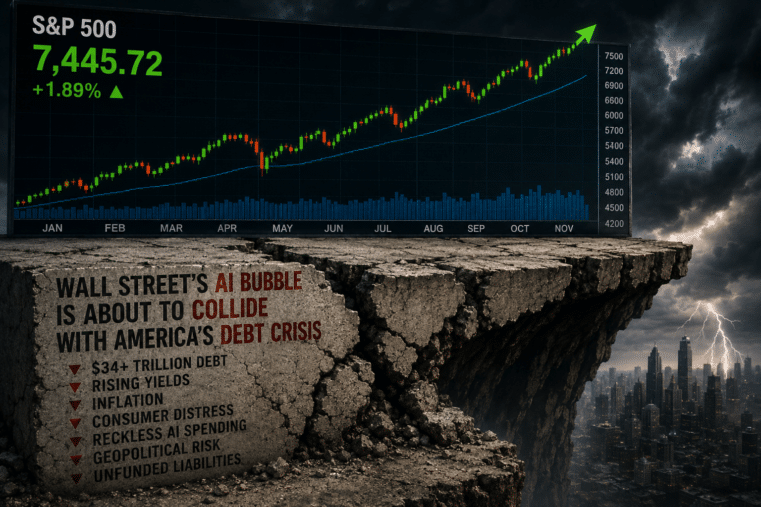
Stocks reverse gains.
And the White House keeps hinting at military action “the likes of which has not been seen in modern history.”
This is not stability.
This is what escalation looks like.
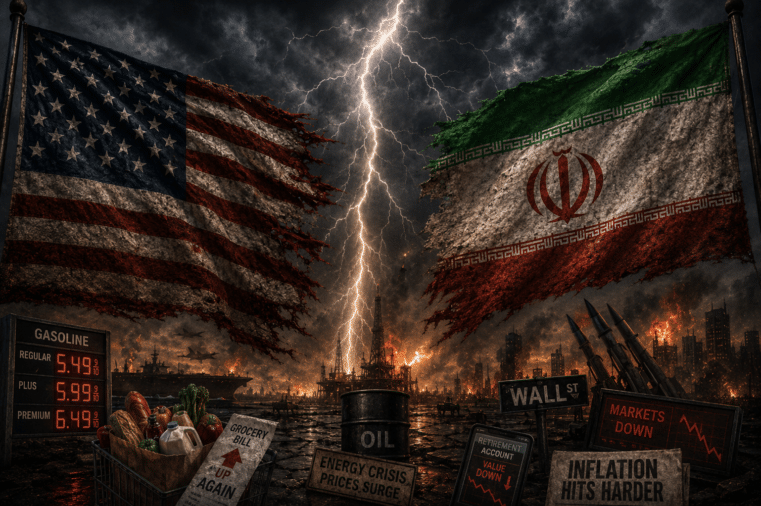
And if this conflict continues to spiral, the economic consequences for American households could become severe.
Why the Iran Conflict Matters to Your Wallet
Most Americans hear “Middle East conflict” and think it sounds distant.
That is a dangerous misunderstanding.
Modern economies run on energy.
And Iran sits near one of the most strategically important oil chokepoints on Earth: the Strait of Hormuz.
Roughly one-fifth of the world’s oil supply passes through that region.
Any prolonged military escalation threatens:
- global oil shipments,
- fuel prices,
- shipping costs,
- supply chains,
- inflation,
- and consumer prices across the board.
That means:
- higher gasoline prices,
- more expensive groceries,
- rising utility bills,
- and additional pressure on already struggling households.
This is not theoretical.
Americans are still recovering from years of inflation that destroyed purchasing power and wiped out savings.
Another energy shock could hit like a sledgehammer.
Oil Markets Are Already Warning Something Is Wrong
One of the clearest warning signs is oil volatility.
Every rumor about negotiations causes oil prices to swing violently.
Why?
Because markets know the situation is unstable.
When reports surfaced about a possible US-Iran agreement, oil briefly plunged.
Then Iranian officials denied key details.
Prices reversed.
Then came fresh military threats.
More volatility followed.
Markets are essentially screaming:
Nobody knows what happens next.
That uncertainty alone creates economic damage.
Businesses freeze hiring.
Investors pull back.
Consumers grow fearful.
Markets hate instability.
And prolonged geopolitical conflict creates exactly that.
Americans Are Being Fed Mixed Messages Again
Sound familiar?
Americans have seen this pattern before.
Government officials insist everything is “under control.”
Media outlets circulate contradictory narratives.
Then months later the public discovers the situation was far more dangerous than advertised.
The current Iran situation already looks disturbingly chaotic:
- reports of a finalized deal,
- immediate denials,
- threats of military action,
- intelligence leaks,
- and warnings Iran is rebuilding its drone and missile capabilities rapidly.
Even major international media outlets are retracting stories in real time.
That is not confidence.
That is confusion.
And confusion in global energy markets can quickly become inflation at home.
Inflation Could Explode Again If the War Expands
This is what Washington refuses to say clearly.
America remains deeply vulnerable to energy-driven inflation.
The Federal Reserve can manipulate interest rates all it wants.
But if oil spikes sharply because of war, consumers get crushed anyway.
Everything becomes more expensive:
- transportation,
- manufacturing,
- agriculture,
- retail shipping,
- airline travel,
- food distribution.
Every truck delivering goods across America runs on fuel.
Every grocery store depends on transportation costs.
Every household feels it.
The political class talks about war strategy.
Ordinary Americans experience economic pain.
The Middle Class Is Already Running Out of Breathing Room
This is what makes the current situation especially dangerous.
American households are financially exhausted.
Credit card debt is near record highs.
Savings are shrinking.
Housing costs remain brutal.
Food prices remain elevated.
Insurance costs are exploding.
Millions of Americans are barely staying afloat.
Now imagine:
- oil surging above $120 per barrel,
- gasoline jumping another dollar or two,
- supply chains tightening again,
- and markets collapsing under geopolitical fear.
That scenario would devastate working families.
Especially after years of inflation already hollowed out the middle class.
Endless War Always Enriches the Powerful — While Citizens Pay the Price
There’s another reality Americans increasingly recognize.
Wars may benefit defense contractors, financial institutions, and political insiders.
But ordinary people pay for them.
They pay:
- through inflation,
- through taxes,
- through debt,
- through economic instability,
- and sometimes through blood.
Meanwhile the same political elites who helped create America’s debt crisis continue printing money and expanding military commitments around the globe.
The result?
Americans get poorer while Washington gets bigger.
This cycle keeps repeating.
And millions of citizens are starting to realize it.
Iran Is Clearly Preparing for a Longer Conflict
The most alarming part of the latest reporting is not the media confusion.
It’s the intelligence assessment.
US intelligence officials reportedly believe Iran is rebuilding military capabilities “faster than expected.”
Drone production is already restarting.
Defense infrastructure is being restored.
Military systems are being reconstituted.
That suggests Tehran may be preparing for prolonged confrontation — not surrender.
And if negotiations collapse entirely, markets could rapidly price in the possibility of broader regional war.
That’s when economic panic becomes possible.
Why Americans Should Be Paying Attention Right Now
This story is bigger than geopolitics.
It’s about economic survival.
Every major global conflict now has direct financial consequences for ordinary citizens because modern economies are interconnected.
When instability hits energy markets:
- your retirement account feels it,
- your grocery bill feels it,
- your savings feel it,
- your paycheck feels it.
Washington may frame this as foreign policy.
But for working Americans, this is personal.
Very personal.
The Next Economic Shock Could Arrive Faster Than Most People Expect
The dangerous part is how quickly conditions can change.
One military strike.
One tanker disruption.
One failed negotiation.
One regional escalation.
That’s all it takes.
Global markets move instantly now.
And Americans living paycheck to paycheck have very little cushion left.
The same elites who told Americans inflation was “transitory” are now assuring the public the Iran situation is manageable.
Many Americans no longer believe them.
And frankly, they have good reason not to.
The Smartest Americans Are Preparing — Not Waiting
The lesson here is simple.
Do not assume stability.
Do not assume the economy is safe.
And do not assume Washington has everything under control.
History shows prolonged Middle East conflict almost always creates economic consequences far beyond the battlefield.
This time may be no different.
The question is whether Americans prepare before the next shock arrives — or after.
Join the DeDollarize Inner Circle Before the Next Crisis Hits
The financial system is becoming more unstable by the day. Global conflict is escalating. Inflation risks are rising again. And the mainstream media still refuses to explain what all this means for ordinary Americans.
That’s why thousands of readers are joining the DeDollarize Inner Circle for uncensored economic analysis, crisis warnings, and strategies to protect their families before the next major disruption unfolds.
Get full access today for just $19.95/month