
Contagion Is a Policy Virus — Not a Market Disease

The Financial Media Is Whistling Past the Graveyard
Earlier this month, I spent several hours on a long drive listening to Bloomberg. Call it morbid curiosity. For six hours, every anchor, analyst, and Wall Street puppet repeated the same lines: “There’s no AI bubble,” and “Contagion isn’t a real concern.”
They all sounded like hostages reading from a script. God forbid they admit that this rally — built on debt, speculative euphoria, and artificially cheap capital — is vulnerable to collapse.
But there’s one phrase that kept popping up — contagion. They hate it. They dismiss it. Because if they acknowledge it, they’d have to admit who caused it.

Spoiler: They did.
What Is Economic Contagion? And Why Should You Care?
The term "contagion" is borrowed from medicine — the spread of disease from one person to another. In economic terms, it refers to how a single company's failure can cascade into a wider crisis. Think Lehman Brothers. Think 2008. Think Silicon Valley Bank.
But here’s the truth no one on Bloomberg will say: Contagion doesn’t exist in a free market. It’s created by central banks and federal policy.
Without artificial links, the failure of one company doesn’t doom the others. It clears out the dead wood, rewards prudent competitors, and strengthens the system. But once you introduce centralized planning — especially centralized money printing — the entire system becomes a tinderbox waiting for a spark.
In a Free Market, Failure Benefits the Rest
Let’s take two examples.
- A poorly run restaurant closes in a town with ten eateries. What happens next? More customers for the remaining nine. More experienced cooks and waiters available. No systemic failure. Just the free market cleaning house.
- One bank makes risky bets and fails. In a decentralized, unrigged system, its collapse would reward safer banks, who see an inflow of deposits and get to lower rates.
That’s not contagion. That’s capitalism working as intended.
But when government policy links all banks — through FDIC backstops, central bank liquidity, and interbank dependence — one failure threatens the whole system. That’s contagion. And that’s policy-induced.
The Fed Is the Arsonist, Not the Firefighter
Here’s where it gets ugly. The biggest driver of economic contagion is interest rate manipulation by the Federal Reserve.
For over a decade, the Fed created an artificial boom by suppressing interest rates and flooding the system with cheap credit. It made borrowing free and forced everyone — from governments to hedge funds to families — to take on more debt.
But now the bill is due. Inflation exploded. The Fed slammed the brakes and jacked up rates. And just like in every other rate-hike cycle in history, the bodies started floating to the surface:
- Silicon Valley Bank
- Signature Bank
- First Republic
- And don’t forget the Fed itself — upside down on trillions in Treasury holdings
And what’s the Fed’s solution? More power. More money. More control.
They cause the fire and then demand more fuel to put it out. All while the public is told the "market failed."
Frozen Homeowners, Bankrupt Institutions, and a Broken Compass
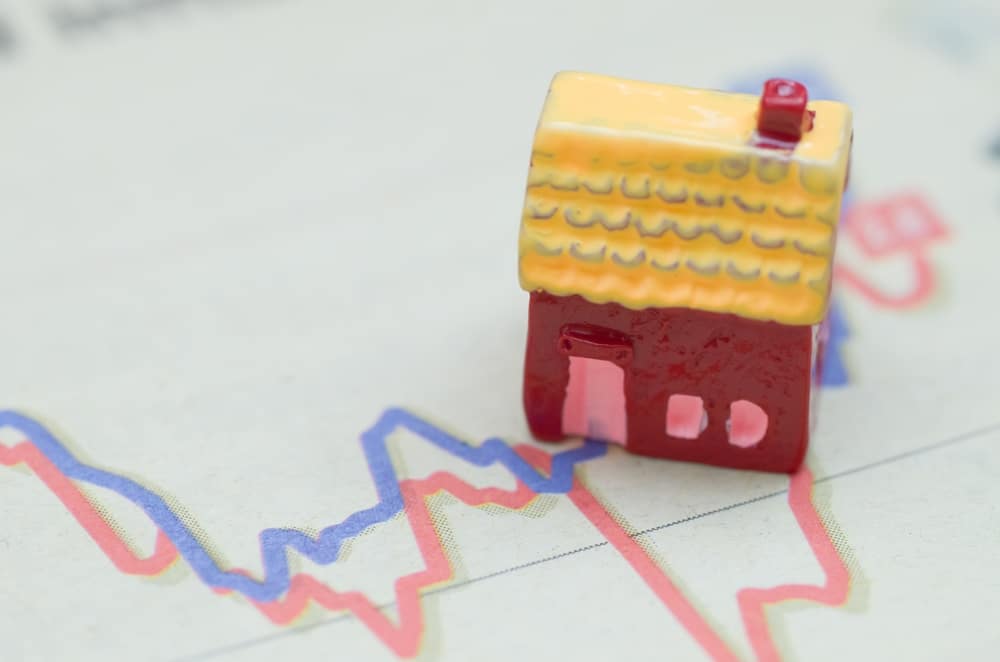
Millions of homeowners are now trapped — unable to sell because their ultra-low mortgage is the only thing keeping them from bankruptcy. Banks are sitting on losses that would’ve ended them if they weren’t protected by backdoor bailouts.
The contagion is spreading — but not because capitalism failed.
It’s because Washington and the Fed engineered a monetary structure so interconnected, so over-leveraged, that one tremor threatens the entire global economy.
The Next Crisis Is Already Seeded — And They’ll Blame You
Mark my words: when the next wave of failures hits — whether through a stock crash, currency devaluation, or a cyber-driven "bank holiday" — the same crowd that built the bonfire will tell you to hand over more of your money and more of your liberty.
Don't fall for it. Don’t be the one left holding their worthless paper.
Protect Yourself Before the Reset
If you're waiting for a sign to opt out of this madness, here it is.
Download the Digital Dollar Reset Guide now.
Your future self will thank you. Or curse you — depending on whether you act now.
Inside, you'll learn how to:
- Shield your assets from bank failures
- Exit the dollar trap before the trapdoor snaps
- Diversify into real stores of value like gold, silver, and crypto
And if you want real-time insights from the sharpest financial mind I’ve ever met, subscribe to Bill Brocius’ Inner Circle. It’s $19.95 a month — and it’ll cost you a hell of a lot more if you don’t.
They caused the contagion.
They'll use it to justify the cure.
Make sure you’re not part of the treatment.