
SILVER’S PAUSE BEFORE THE STORM: Why This Consolidation Could Be the Launchpad for the Next Major Breakout

Silver Is Catching Its Breath — Not Collapsing
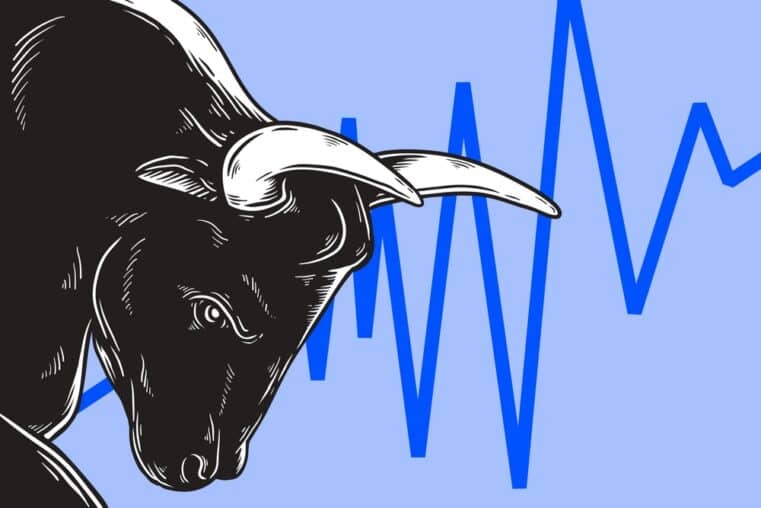
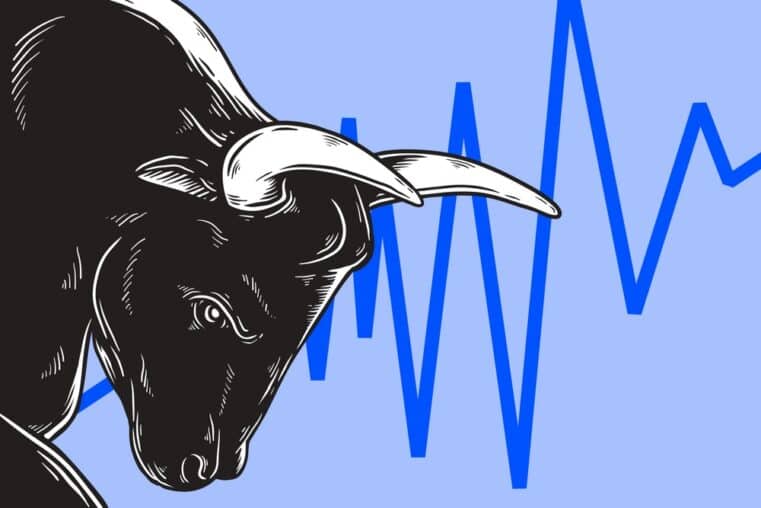
After a sharp move higher earlier this year, silver has entered what professionals call a “consolidation phase.”
That’s just a fancy way of saying the market is digesting gains.
Silver has always been the more volatile cousin of gold. It doesn’t move politely. It surges. It pulls back hard. It shakes out weak hands. Then it surprises people again.

When something goes parabolic — straight up in a hurry — a cooling period is not only normal, it’s necessary. Markets that don’t pause often end badly.
What matters isn’t that silver pulled back.
What matters is how it’s behaving during the pause.
Retail Investors Aren’t Panicking — That’s Important
According to recent commentary from industry insiders, retail investors haven’t shown signs of widespread fear. Flows have slowed, yes — but there hasn’t been a rush for the exits.
That tells me something.
In past cycles, silver pullbacks triggered emotional selling. This time, the response appears more measured.
That suggests:
- Investors understand silver’s volatility
- Positioning may be less leveraged
- Conviction is stronger
Strong hands during consolidation create stronger foundations.
If people were dumping aggressively, I’d be concerned. Instead, we’re seeing stabilization.
That’s constructive.
Silver’s Two Engines: Industrial and Monetary Demand
Here’s where silver becomes uniquely powerful.
It’s not just a monetary metal. It’s also an industrial necessity.
Silver is critical in:
- Solar panels
- Electronics
- Electric vehicle systems
- High-efficiency batteries
- Medical applications
Global electrification trends aren’t slowing down. If anything, they’re accelerating.
At the same time, silver serves as:
- A hedge against inflation
- A hard asset during monetary uncertainty
- A beneficiary of de-dollarization trends
That’s what I call a two-engine market.
Industrial demand provides structural support. Monetary demand adds torque during periods of instability.
Few assets enjoy both drivers simultaneously.
A New Base Is Healthier Than a Blow-Off Top
Some analysts suggest silver may be establishing a new trading floor rather than preparing for an immediate surge.
Good.
I’d rather see:
- Steady base-building
- Reduced speculative excess
- Price discovery
- Stronger technical structure
Than another vertical spike followed by collapse.
When silver builds support at higher levels, it increases the probability that the next leg up — when it comes — is more sustainable.
Think of it like building a house. You don’t stack the second floor until the foundation is reinforced.
The Federal Reserve and the Policy Fog
Of course, silver doesn’t move in isolation.
Interest rates, Federal Reserve policy, and broader economic data still influence momentum. Talk of possible rate hikes or prolonged policy hesitation can create range-bound movement.
But here’s what I’m watching:
If silver is holding elevated levels despite:
- Rate uncertainty
- Dollar fluctuations
- Market volatility
That signals underlying strength.
In weaker cycles, silver collapses under rate pressure. In stronger cycles, it consolidates and waits.
This feels like the latter.
Why This Matters for Long-Term Wealth Protection
Let’s zoom out.
We’re in a world of:
- Persistent inflation risk
- Expanding government debt
- Currency debasement concerns
- Geopolitical fragmentation
- Ongoing conversations about alternative settlement systems
In that environment, hard assets aren’t speculation — they’re insurance.
I’ve said it before: fiat currency is like a car losing value the moment you drive it off the lot. It depreciates slowly over time. Inflation speeds that process up.
Gold protects stability.
Silver adds torque.
When both monetary and industrial forces align, silver becomes one of the most asymmetrical opportunities in the real asset space.
A Working Man’s View of Volatility
I didn’t grow up trading derivatives on Wall Street. I grew up understanding what it means to stretch a dollar.
When silver drops sharply, it doesn’t scare me. I ask:
- Has the structural demand disappeared?
- Has supply suddenly surged?
- Has monetary instability been resolved?
If the answers are no, then volatility is noise — not thesis-breaking.
And right now, the structural case remains intact.
The Bigger Picture
Consolidation is not failure.
It’s preparation.
If silver were collapsing on weak demand and mass liquidation, I’d say something very different. But that’s not what we’re seeing.
We’re seeing:
- Positive year-to-date flows
- Ongoing call positioning in options markets
- Industrial support
- Persistent safe-haven interest
That’s not exhaustion. That’s digestion.
And digestion often precedes the next move.
The Bottom Line
Silver cooling off after a strong run is healthy.
Retail conviction holding steady is constructive.
Structural demand remains powerful.
Policy uncertainty still favors hard assets over paper promises.
The market may not explode higher tomorrow. But long-term forces are aligning in silver’s favor.
The pause may frustrate traders.
But for disciplined investors, it may be an opportunity.
Join the Inner Circle
If you want serious, level-headed analysis on gold, silver, de-dollarization trends, and how to position intelligently during monetary shifts, you belong inside Inner Circle.
This is where we go deeper — beyond headlines and short-term noise — focusing on practical strategies to protect purchasing power and build resilience in uncertain times.
If you’re ready to stop reacting emotionally and start positioning strategically, I invite you to join us.
Volatility shakes people out.
Preparation sets you apart.
I’ll see you inside.