Empires Fall When Trade Routes Break — And America Is Playing With Fire

Empires Don’t Die From War — They Die From Bad Economics
Let’s get one thing straight.
Wars don’t bankrupt empires overnight. Bad systems do.
Bonner is right about one critical point:
Empires survive on two pillars—

- Control of trade
- Control of money
Lose either one… and the clock starts ticking.
The Mongols lost trade security.
The British lost strategic routes and financial stability.
And now?
America is straining both at the same time.
The Strait of Hormuz Is Not Just Geography — It’s Leverage
You’ve heard the phrase. Strait of Hormuz.
Most people tune out. Sounds distant. Technical. Irrelevant.
It’s not.
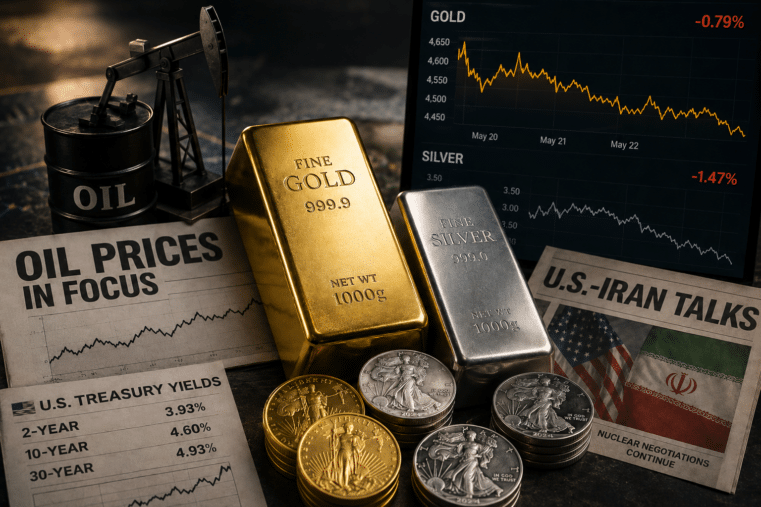
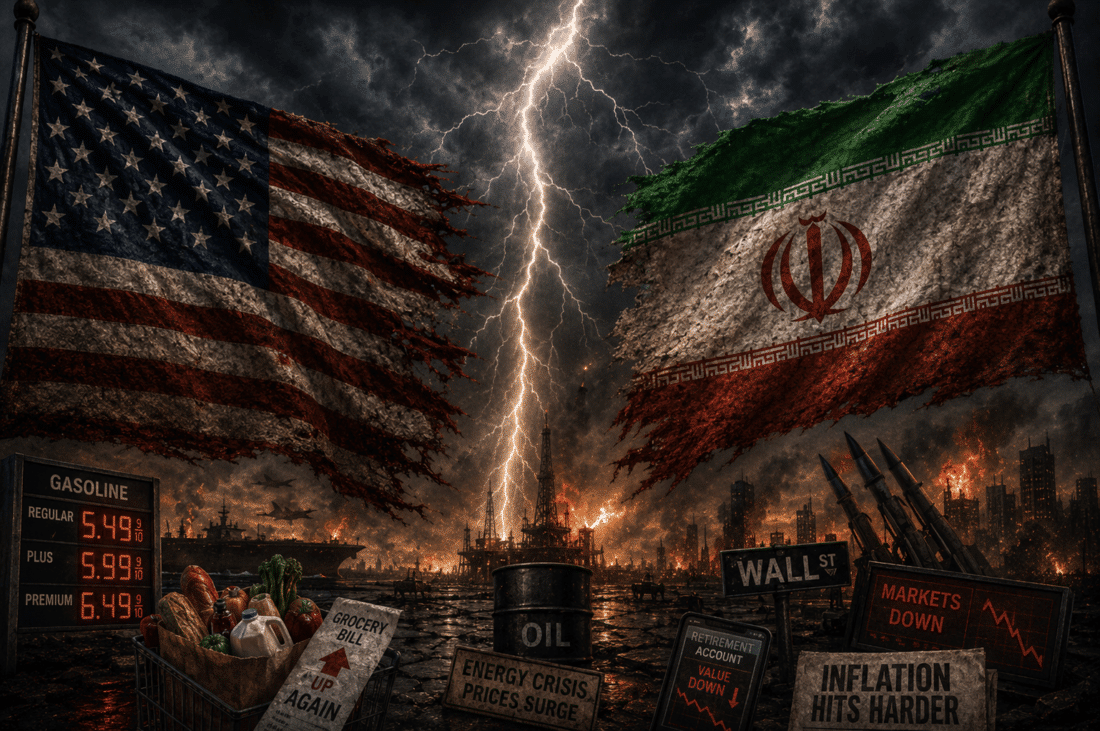
It’s one of the most critical energy choke points on Earth. A massive portion of the world’s oil flows through it.
So when tensions rise there, this isn’t just “foreign policy.”
It’s economics. It’s inflation. It’s your cost of living.
Bonner frames it as a potential “twilight moment” for U.S. dominance.
That’s dramatic—but not crazy.
Because if energy flow is disrupted, markets don’t wait. They react fast. Prices spike. Confidence cracks.
And confidence is everything in a debt-soaked system.
The Dollar’s Real Weakness Isn’t What You Think
Here’s where Bonner starts circling the truth—but doesn’t land the punch.
He talks about Iran selling oil outside the dollar system.
That matters.
But the bigger issue?
The dollar isn’t just threatened by outsiders.
It’s being weakened from within.
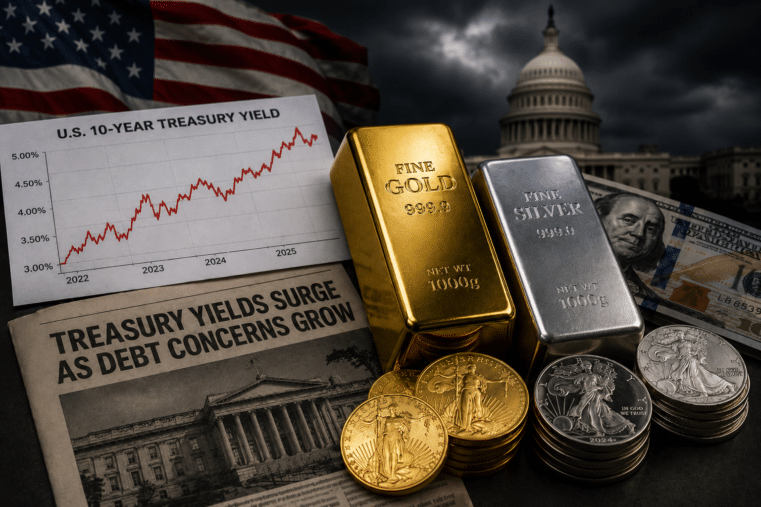
- $39 trillion in debt
- Exploding interest payments
- Constant money creation
- Structural dependence on borrowing
That’s the real story.
You don’t need a foreign enemy to weaken a currency.
You just need bad incentives and too much leverage.
War Doesn’t Fix This — It Exposes It
There’s a dangerous myth floating around:
That military strength equals economic strength.
It doesn’t.
You can dominate militarily and still collapse financially. History proves it over and over again.
War, especially prolonged or poorly executed war, acts like a stress test.
It reveals:
- Supply chain fragility
- Debt dependence
- Currency vulnerability
- Political dysfunction
Bonner hints at this with his critique of “negotiating with bombs.”
Fair point.
But the deeper issue isn’t strategy—it’s sustainability.
De-Dollarization: Slow… Then Sudden
Let’s not exaggerate.
The dollar isn’t collapsing tomorrow.
But the shift Bonner mentions—countries experimenting with non-dollar trade—is real.
And here’s how these transitions actually happen:
Slowly. Quietly. Then all at once.
First, small agreements.
Then regional shifts.
Then institutional adoption.
And one day, the system looks very different.
Not because of a headline.
But because of a thousand small changes people ignored.
Where Bonner Misses the Mark
Bonner paints this like a geopolitical chess match.
Empire vs. empire. Strait vs. strait. War vs. war.
But that’s only half the picture.
The real transformation isn’t just geopolitical.
It’s structural.
It’s happening through:
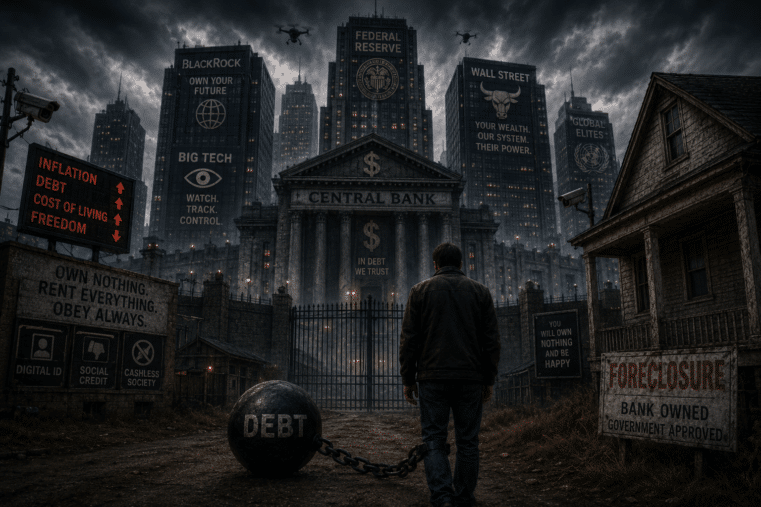
- Financial digitization
- Payment system evolution
- Increasing intermediation of money
- Rising dependency on centralized systems
This is bigger than Hormuz.
Bigger than Iran.
Bigger than any single conflict.
The Real Risk: You’re Focused on the Wrong Battlefield
Here’s the uncomfortable truth:
Most Americans are watching the wrong fight.
They’re watching headlines.
But the real shift is happening in the system itself.
How money moves.
Who controls access.
What happens in a crisis.
That’s where the future is being decided.
Not on cable news.
Not in political speeches.
In the plumbing of the financial system.
My Take: This Is a Warning — Not a Prediction
Bonner is waving a flag.
And he’s right to do it.
But don’t confuse warning signs with certainty.
The U.S. is not the British Empire in 1956.
History doesn’t repeat that cleanly.
But the pressure points?
They rhyme.
- Debt stress
- Trade vulnerabilities
- Currency questions
- Overextension
You don’t need collapse to feel consequences.
You just need instability.
The Bottom Line
This isn’t about fear.
It’s about awareness.
Empires don’t fall in a day.
Currencies don’t vanish overnight.
But systems do change.
And when they do, the people who weren’t paying attention pay the highest price.
Stay Ahead of What’s Coming
If you want the real breakdown—the stuff that doesn’t make headlines but actually moves the world—you need to go deeper.
Join The Inner Circle for unfiltered analysis and insights designed for people who don’t want to be caught off guard.