GLOBAL POWER SHIFT: War Signals, Energy Shock, and the Cracks Forming Beneath the System

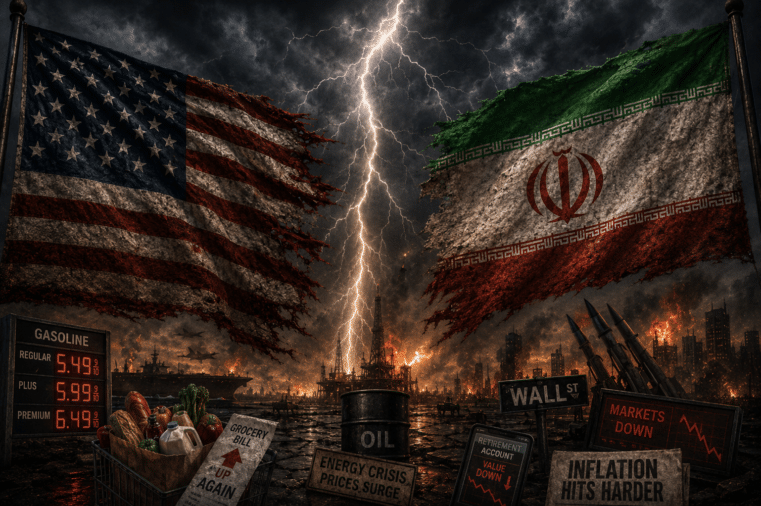
The Market Got It Wrong—Again
For a brief moment, everything looked calm.
Stocks rallied. Oil dipped. Traders convinced themselves that maybe—just maybe—the conflict was winding down.
Then reality hit.

Instead of signaling an exit, the U.S. doubled down: “We are going to finish the job.”
That single shift flipped the board:
- Oil surged
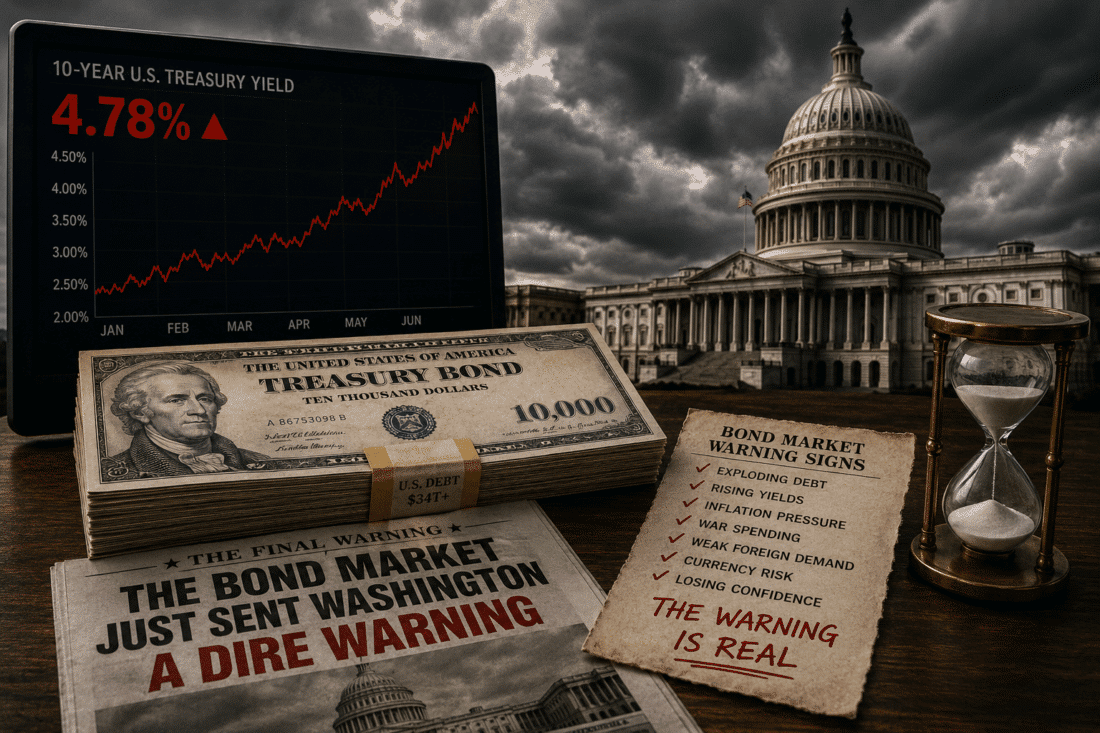
- Bond yields spiked
- Risk assets reversed hard
- Global markets turned defensive
What you just witnessed wasn’t volatility.
It was misplaced confidence colliding with hard reality.
This War Isn’t Ending—It’s Entering a More Dangerous Phase
Let’s cut through the noise.
The message wasn’t subtle:
- The mission continues
- Key infrastructure is on the table
- Timelines are uncertain
- Exit conditions are flexible
And here’s the part most people missed:
There’s now a real possibility that the U.S. walks away without stabilizing the most critical chokepoint in global energy—the Strait of Hormuz.
That’s not a minor detail.
That’s the artery of the global oil system.
The Strait of Hormuz: The Pressure Point Nobody Can Ignore
If that waterway stays unstable, the consequences ripple everywhere:
- Energy supply disruptions
- Price shocks across oil and gas
- Shipping risk premiums explode
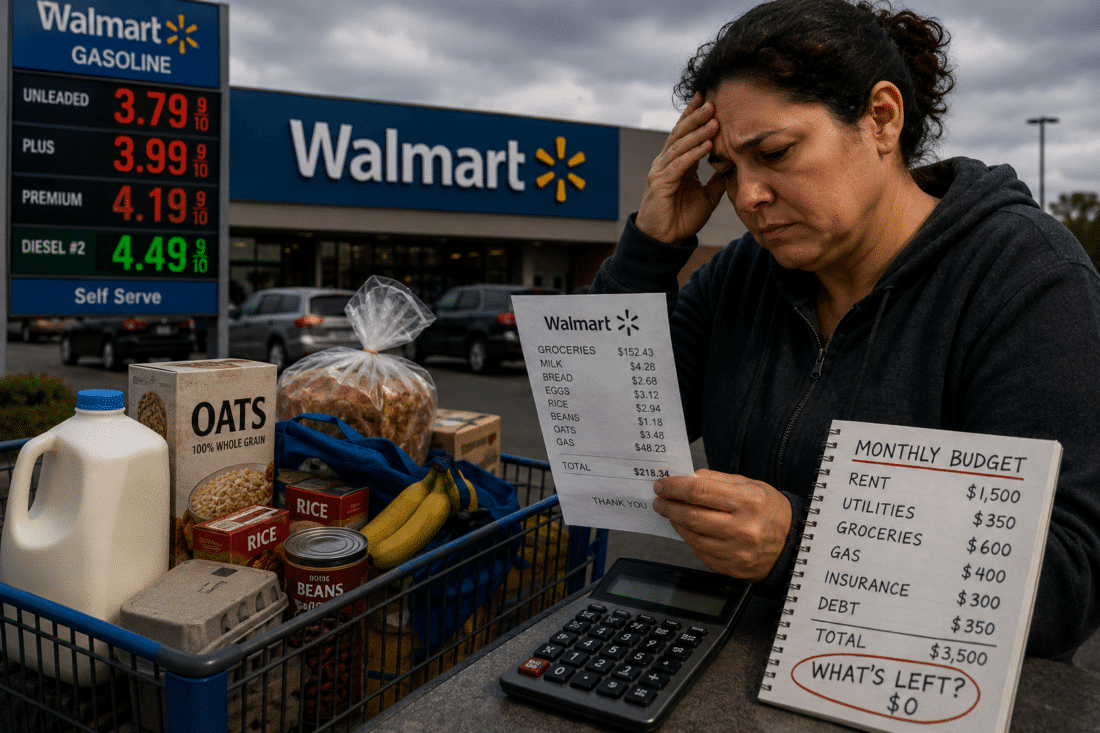
- Global inflation pressures return
And yet, the strategy being hinted at is this:
“Others can handle it.”
Translation?
The burden shifts to allies—whether they’re ready or not.
Allies Are Hesitating—and That’s a Problem
This is where things start to fracture.
Some countries are signaling willingness to step in.
Most are not.
And that hesitation creates three possible outcomes:
- The war drags on (slow economic bleed)
- The conflict escalates (sharp global shock)
- The U.S. exits early (long-term instability)
None of those are good.
But the third option?
That’s the one markets are least prepared for.
Europe Is Caught in the Middle—and It Shows
Britain’s response tells you everything you need to know.
Mixed signals. Delayed decisions. Conflicting priorities.
On one side:
- Pressure to support the U.S.
- Strategic alliances at stake
On the other:
- Domestic political resistance
- Questions about legality and risk
The result?
Indecision.
And when major powers hesitate in moments like this, it signals something deeper:
The old coordination isn’t working anymore.
The “Special Relationship” Is Looking Less Special
There’s a quiet but significant shift happening.
- Europe pushing back on U.S. requests
- NATO cohesion under strain
- Talk of strategic independence resurfacing
Even Britain—historically tied closely to U.S. policy—is now openly discussing the need to pivot closer to Europe.
That’s not just political noise.
That’s a structural shift in alliances.
Energy Is the Real Battlefield
Forget rhetoric for a second.
This entire situation revolves around one thing:
Energy control.
If shipping routes remain unstable:
- Countries scramble for alternative supply
- Prices spike unevenly across regions
- Strategic dependencies get reshuffled
And here’s the kicker:
The U.S. is positioning itself as a primary alternative supplier.
That’s not accidental.
That’s leverage.
Australia’s Quiet Warning Might Be the Loudest
While global headlines focused elsewhere, Australia dropped a subtle signal:
- Prepare for tougher months
- Conserve fuel
- Don’t panic—but don’t overconsume
That’s not routine messaging.
That’s preparation language.
When governments start nudging behavior before a crisis fully hits, it usually means one thing:
They see constraints coming.
Supply Chains, Defense, and Fragile Dependencies
There’s another layer most people aren’t connecting.
Military coordination issues don’t just affect war—they affect:
- Defense supply chains
- Industrial production
- Long-term infrastructure commitments
Take the submarine agreements tied to U.S.-UK cooperation.
If those alliances weaken?
Entire defense strategies start to wobble.
And when that happens, uncertainty spreads far beyond the battlefield.
This Is Bigger Than One Conflict
What you’re watching isn’t isolated.
It’s part of a broader pattern:
- Alliances becoming conditional
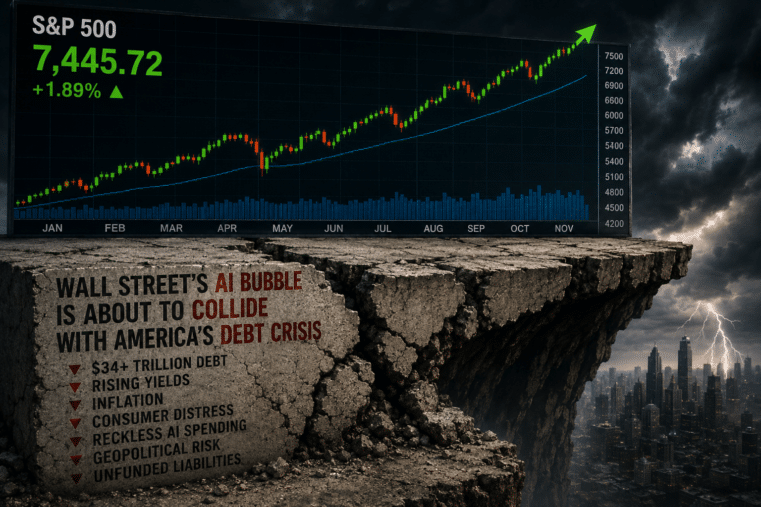
- Economic systems under pressure
- Resource control driving decision-making
The global system was built on coordination.
Now it’s drifting toward fragmentation.
And fragmentation is messy.
My Take: The Stability Narrative Is Breaking Down
Here’s the reality most won’t say outright:
The system relies on predictability.
Predictable alliances. Predictable supply flows. Predictable responses.
Right now?
None of that looks stable.
- Allies are hesitating
- Strategies are shifting mid-stream
- Markets are reacting after the fact
That’s not control.
That’s reactive management under pressure.
Final Thought: Watch What Governments Do, Not What They Say
Speeches are one thing.
Actions are another.
- If leaders prepare citizens for shortages, pay attention
- If alliances start bending, take note
- If markets swing wildly on “clarifications,” something deeper is off
Because systems don’t break all at once.
They strain first.
And right now, you’re watching that strain build in real time.
Critical Next Step: Understand Where This Is Heading
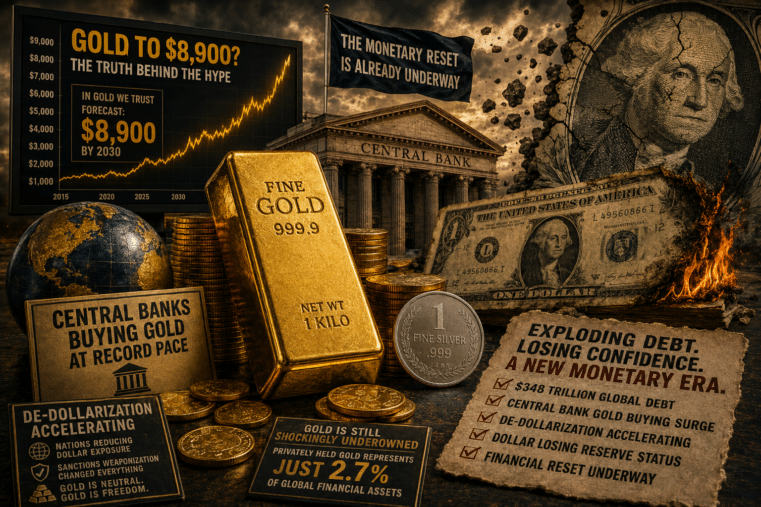
Moments like this aren’t just about geopolitics—they’re about how control shifts during instability.
As global tensions rise and systems come under pressure, financial infrastructure is evolving in parallel. Tools like FedNow and the broader push toward central bank digital currencies (CBDCs) are being positioned as solutions—but they also introduce a new layer of control:
- Programmable transactions
- Centralized oversight of money flows
- Reduced flexibility in how and when you access your funds
When instability meets centralized systems, the balance of power changes quickly.
If you want a clear breakdown of what’s coming—and how to prepare for it—you need to get informed now.
Download the Digital Dollar Reset Guide by Bill Brocius
This isn’t optional reading. It’s essential intelligence for anyone paying attention to how fast the financial landscape is shifting.