DRONES OFF OUR COAST? FBI WARNS IRAN MAY HAVE PLOTTED A CALIFORNIA STRIKE — AND WASHINGTON STILL ACTS SURPRISED

The Warning That Should Have Stopped America in Its Tracks
Buried in a federal alert sent to law enforcement in California was a chilling possibility.
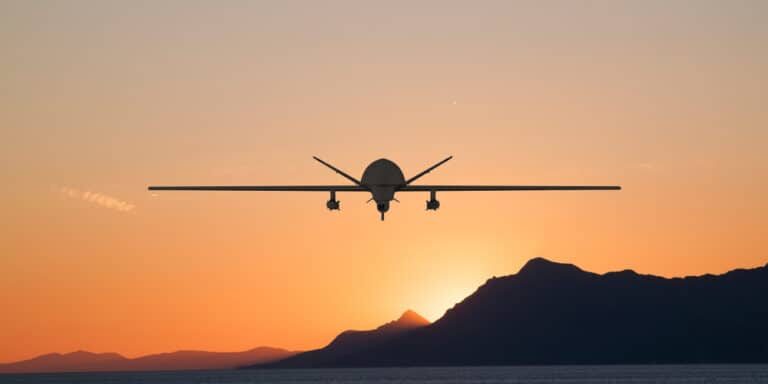
Iran may have explored launching kamikaze drone attacks from a vessel off the U.S. West Coast.
Not a missile.
Not a conventional military strike.

Drones.
Cheap. Mobile. Hard to detect. Harder to stop.
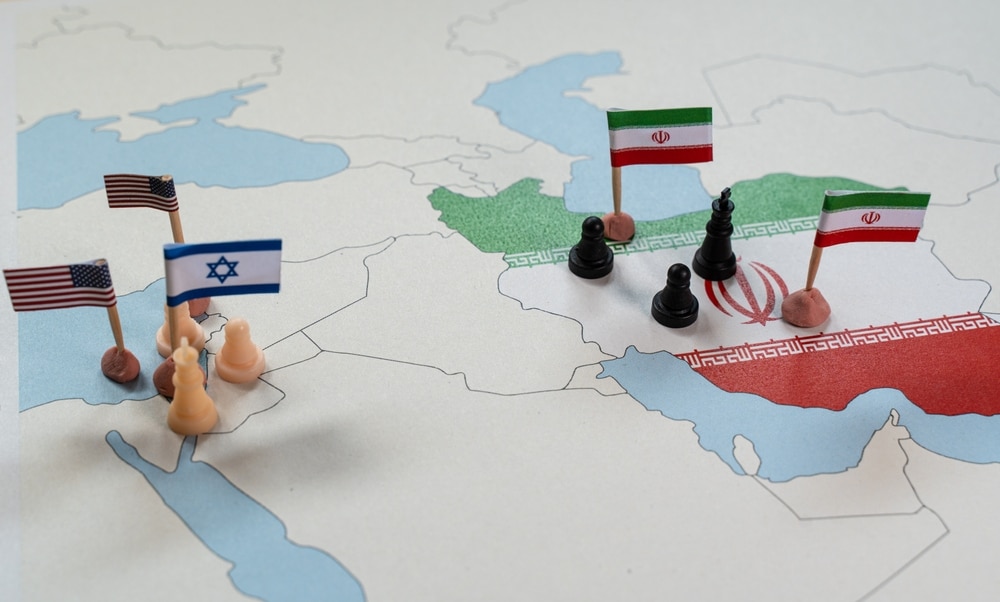
According to the FBI bulletin, the alleged concept was simple: if the United States launched strikes against Iran, Tehran could retaliate by deploying unmanned aerial vehicles from a ship positioned off the American coastline.
Targets were not specified.
Timing was unknown.
But the message was clear.
The homeland is no longer out of reach.
The New Battlefield: Cheap Drones, Big Consequences
Modern warfare isn’t what it used to be.
You don’t need fleets of bombers or massive aircraft carriers anymore. A small number of low-cost drones can threaten infrastructure, energy facilities, or dense urban areas.
We’ve already seen the model play out across the world:
- Drone swarms striking oil infrastructure in the Middle East
- Low-cost UAVs reshaping the battlefield in Ukraine
- Non-state actors experimenting with explosive drones
The barrier to entry has collapsed.
Technology once limited to powerful militaries is now available to smaller states—and even criminal organizations.
That’s the uncomfortable truth.
The tools of warfare are getting cheaper while the stakes keep getting higher.
Offshore Launches: The Strategic Blind Spot
One detail in the report stands out.
The drones could be launched from a vessel off the U.S. coast.
Think about that for a moment.
The United States has spent decades building sophisticated missile defense systems. Satellites track launches across continents. Radar blankets the skies.
But small drones launched from a cargo ship?
That’s a very different challenge.
Ships move constantly.
The oceans are vast.
Commercial traffic is enormous.
Security experts have warned for years that asymmetric threats—small attacks with large consequences—are among the hardest to prevent.
The Mexico Connection Raising New Questions
The story becomes even more complicated when another issue enters the picture: cross-border networks.
U.S. intelligence officials have already raised concerns about the growing use of drones by Mexican drug cartels. These groups have experimented with aerial surveillance and even explosives.
Separately, analysts have long noted that Iran maintains relationships and influence networks across parts of Latin America.
That doesn’t mean an attack is imminent.
But it does highlight a larger concern.
When global actors, criminal networks, and emerging technology intersect, the traditional lines of defense become harder to define.
America’s Infrastructure Is More Vulnerable Than We Admit
Modern America runs on interconnected systems.
Power grids.
Data centers.
Energy pipelines.
Transportation hubs.
All critical.
All potentially exposed.
Security analysts increasingly warn that civilian infrastructure could become a primary target in modern conflicts.
Why?
Because disruption can be as powerful as destruction.
Knock out electricity.
Disrupt communication networks.
Create panic.
You don’t need a massive strike to create national consequences.
Washington’s Biggest Problem: Fighting the Last War
For decades, U.S. national defense focused on traditional threats.
Missiles.
Fighter jets.
Armored divisions.
But the world is changing fast.
Today’s risks include:
- Drone swarms
- Cyber warfare
- Infrastructure disruption
- Non-state actors with advanced technology
Adapting to these threats requires more than hardware.
It requires new strategy, new awareness, and honest conversations about vulnerabilities.
And many Americans are increasingly skeptical that Washington is moving fast enough.
What This Moment Should Wake Us Up To
The FBI bulletin does not mean an attack is coming.
But it does highlight something serious.
Geography no longer guarantees safety.
For most of modern history, the United States relied on two enormous oceans as natural defenses.
Technology has changed that reality.
Drones, cyber tools, and unconventional warfare methods can shrink distances dramatically.
That’s the world we’re living in now.
Ignoring that shift would be a mistake.
The Bottom Line
The real story here isn’t just Iran.
It’s the changing nature of security in the 21st century.
Small technologies can create large threats.
Foreign conflicts can ripple toward American shores.
And the systems that keep modern society running are increasingly interconnected—and exposed.
Americans deserve transparency about these risks.
They deserve serious conversations about preparedness.
And above all, they deserve leaders willing to confront emerging threats before they become real-world crises.
Stay Ahead of the Stories the Mainstream Misses
The political and economic landscape is shifting fast. The headlines you see on television are often just the surface.
If you want deeper analysis, insider perspectives, and early warnings about the forces reshaping America and the global financial system, join the Inner Circle.
Members receive exclusive insights, special reports, and deeper breakdowns of the stories that matter most.