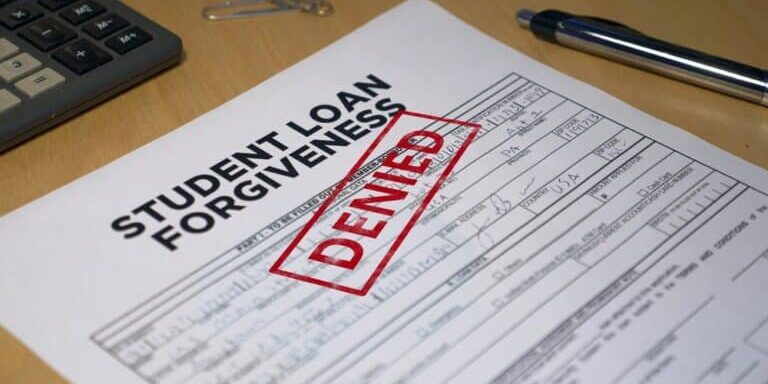
Ending the SAVE Scheme: A Win for Markets, a Blow to Political Pandering

Government Promises, Taxpayer Price Tags
Let’s get something straight: there's no such thing as "free" loan forgiveness. The SAVE plan wasn't a benevolent gesture. It was a wealth transfer from workers — many of whom never saw the inside of a university classroom — to a politically useful class of indebted degree-holders. Promises of $0 payments and magic debt erasure only work until someone has to foot the bill. And that someone is always the taxpayer.
This is not generosity. It's coercion disguised as compassion.
Distorted Incentives, Broken Markets
When you promise loan forgiveness on a mass scale, you do more than spend money. You warp incentives. Universities hike tuition, knowing students will take loans they may never repay. Students borrow recklessly, assuming the feds will swoop in with another rescue. Lenders and loan servicers play along, pocketing fees and subsidies.

This isn't a functioning market — it’s a subsidized bubble fueled by political cowardice and moral hazard.
Debt as a Political Weapon
The Biden administration’s push for SAVE wasn’t an economic policy — it was a re-election strategy dressed in budgetary drag. Promise enough relief, and maybe the youth vote stays loyal. But when you use government power to redistribute wealth for political gain, you're not serving the public. You're buying votes.
This kind of top-down interference is the same central planning nonsense that has failed in every sector it's ever touched. Housing, healthcare, education — you name it. When bureaucrats pretend they can plan demand and price from DC, the system breaks.
The Illusion of “Forgiveness”
Forgiving debt doesn’t erase the cost — it just hides the invoice. Whether it's $342 billion over a decade or a few billion more in hidden administrative drag, someone pays. That’s either taxpayers now, or future taxpayers through inflation, deficits, and economic stagnation.
There is no economic magic wand that makes liabilities disappear. Only politicians believe that. The rest of us have to live with the damage.
Back to Legality, Back to Sanity
By killing SAVE, the Trump administration isn’t just asserting legal boundaries — it’s hitting the brakes on fiscal insanity. The courts made clear: the executive branch can't legislate trillion-dollar economic shifts by fiat. Debt contracts exist for a reason, and if you sign your name, you owe.
Returning borrowers to legally authorized repayment plans is a course correction. It reintroduces risk, responsibility, and real-world consequences into a system that was starting to resemble a rigged casino.
Final Thoughts: Don’t Bail Out Bad Policy
The lesson here isn’t complicated. You can’t spend your way to justice. You can’t forgive your way to prosperity. And you can’t lie your way out of debt.
Student loan policy should be about education, not electioneering. And markets — not mandates — are the best judge of value. If a degree can’t pay for itself, the problem isn’t the loan. It’s the price of the product and the snake oil being sold in its name.
Before the next crisis hits, protect your own assets from the fallout of federal overreach. Download Seven Steps to Protect Yourself from Bank Failure by Bill Brocius and start building your escape plan today.
👉 Download Here — Seven Steps to Protect Yourself from Bank Failure