Greenland Power Play: Rare Earths, Empire Survival, and the Digital Dollar Trap

The Ice-Cold Truth: This Was Never Just About Greenland
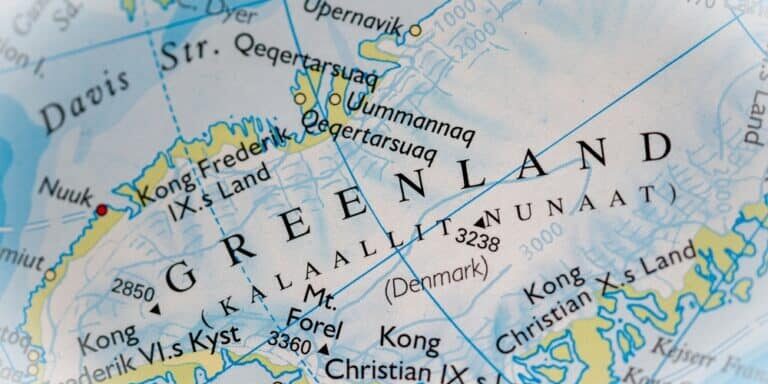
President Trump’s announcement of a “framework deal” with NATO on Greenland should've been a red flag, not a victory lap. Beneath the surface of patriotic rhetoric and Arctic negotiations lies something more dangerous: the steady expansion of imperial power through new economic and geopolitical fronts. According to the U.S. Geological Survey, the Arctic region is estimated to hold around 13% of the world’s undiscovered oil and 30% of its undiscovered natural gas, making it one of the last great resource frontiers on Earth. Moves like this aren’t about cooperation—they’re about positioning, leverage, and preemptive control, and the Greenland imperial power grab fits squarely into a long historical pattern of empires expanding outward when internal stability begins to fracture.
This push isn’t about securing territory—it’s about preserving control. The kind of control that failing empires reach for when legitimacy starts to slip through their fingers.
Rare Earths and the Real Resource War
Let’s get something straight: Greenland’s rare earth mineral deposits do matter. The Arctic island holds a treasure trove of critical elements like neodymium, dysprosium, and praseodymium—essential for defense tech, electric vehicles, and energy grids. In a world hooked on electronics and war machines, that’s gold.

And China owns the supply chain.
Over 90% of rare earth processing is handled by the Chinese Communist Party. That gives Beijing leverage over the West’s technological future—and they know it.
So yes, Greenland is a high-value target in a looming resource war. But here’s the kicker:
- There are no active large-scale mining operations yet.
- Greenland’s harsh climate, local opposition, and political complexity make development years away.
- Even if the minerals are dug up, the U.S. lacks domestic processing capacity to use them without shipping them back through... you guessed it, China.
So while Greenland might become strategically useful down the line, this isn’t about instant access to minerals. It’s about planting flags and staking claims before someone else does.
Trump’s Tactical Shift: From Threats to Treaties
Not long ago, Trump made headlines by floating the idea of taking Greenland by force. That sparked diplomatic panic, protests in Nuuk, and visible unease from NATO allies.
Fast forward to Davos, and now it’s a “framework deal” endorsed by NATO, complete with paused tariffs and handshakes. But nothing about this smells like de-escalation.
This is classic imperial posturing: dial down the volume, but keep the agenda. Trump gets to look like a negotiator while still moving chess pieces around the Arctic.
The Empire Signals Its Insecurity
The markets didn’t buy it.
As Greenland re-entered the headlines, gold spiked and the dollar dipped. That wasn’t coincidence—it was a pulse check. The world watches what America does more than what it says. And what they saw was a country trying to mask fragility with expansion.
Seizing land for security isn’t a sign of strength. It’s a confession of weakness.
The Real War Isn’t in Greenland—It’s in Your Wallet
Here’s where things get real.
While the media obsesses over icebergs and trade deals, the real battlefield is being built under our feet—the coming war on financial autonomy.
Yes, President Trump issued an executive order banning a U.S. Central Bank Digital Currency (CBDC). That was a much-needed firewall. But if you think that’s the end of the story, you’re dreaming.
Because the infrastructure is still being built:
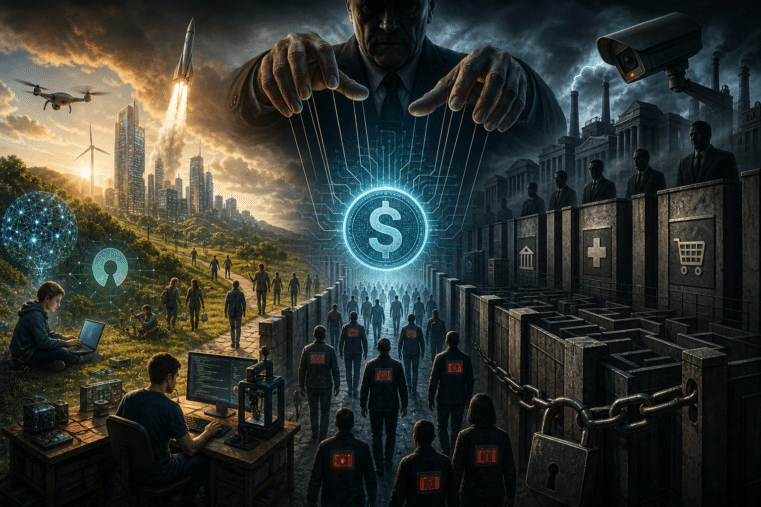
- FedNow is operational—an instant payment network run through the Federal Reserve, capable of centralized control and transaction surveillance.
- ISO 20022 is now the global financial language—standardizing data for easy future integration of digital IDs, programmable currencies, and social credit mechanisms.
- Financial systems are being upgraded quietly, with bipartisan support, to allow for real-time monitoring, behavioral nudging, and compliance enforcement.
Today it’s optional. Tomorrow it’s the default.
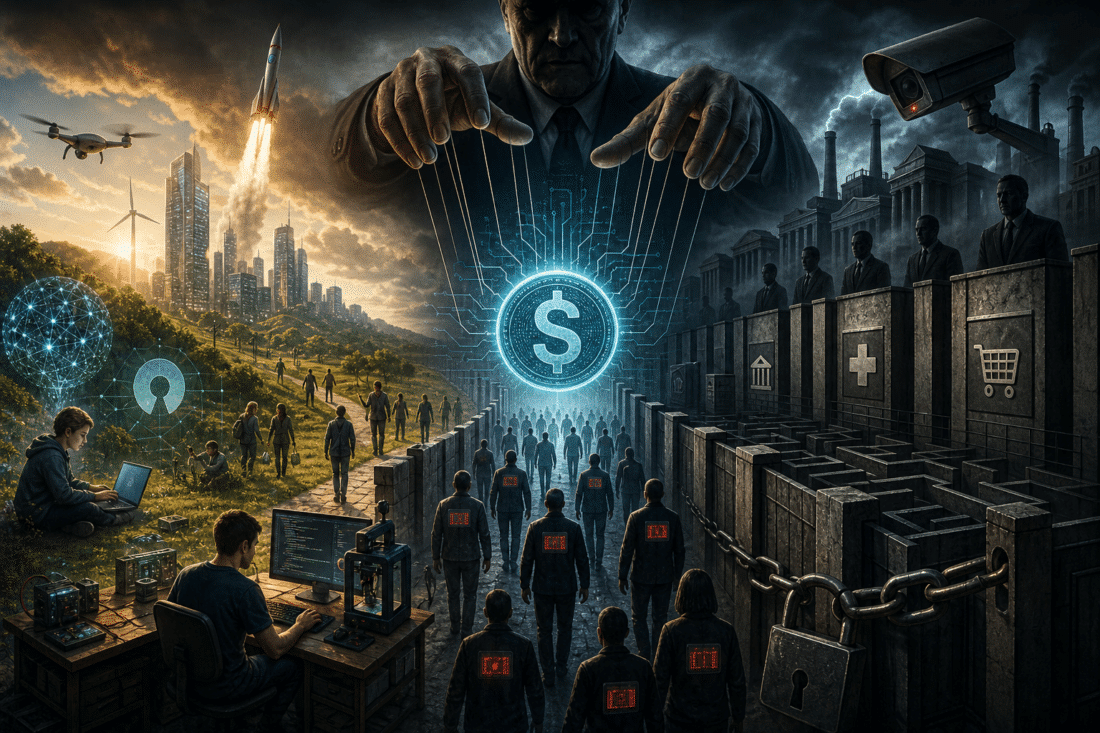
Trump stopped the CBDC—for now. But the next administration? They won’t even need to build it. The pipes are already laid. All it takes is one stroke of the pen, and you’ll wake up in a world where every dollar is traceable, programmable, and revocable.
Empire Doesn’t Die—It Digitizes
Greenland isn’t the prize. You are.
Your data. Your money. Your decisions.
This geopolitical dance around the Arctic is the smoke. The fire is the shift toward total financial control—sold to you as modernization, efficiency, and “national security.”
But it’s not national security. It’s monetary submission.
What Comes After Trump?
That’s the uncomfortable question most won’t ask.
Because whether or not you trust Trump—and many of you do—the reality is he won’t be president forever. When the next administration walks in, the CBDC ban can be overturned with a signature. FedNow, ISO 20022, and surveillance infrastructure will still be humming in the background, ready for activation.
And when that switch is flipped, it won’t matter how many flags are planted in Greenland. You’ll already be digitally cornered.
Your Next Move Is Survival, Not Voting
If you want to remain financially free, don’t wait for Washington to protect you.
Download the Digital Dollar Reset Guide by Bill Brocius—the only blueprint I trust to prepare for what’s coming next. It’s not theory, or fluff, but rather hard, tactical intelligence to help you stay ahead of the trap they’ve already built.
Grab it now before they pull the digital trigger
Trump bought you some time. Use it wisely.