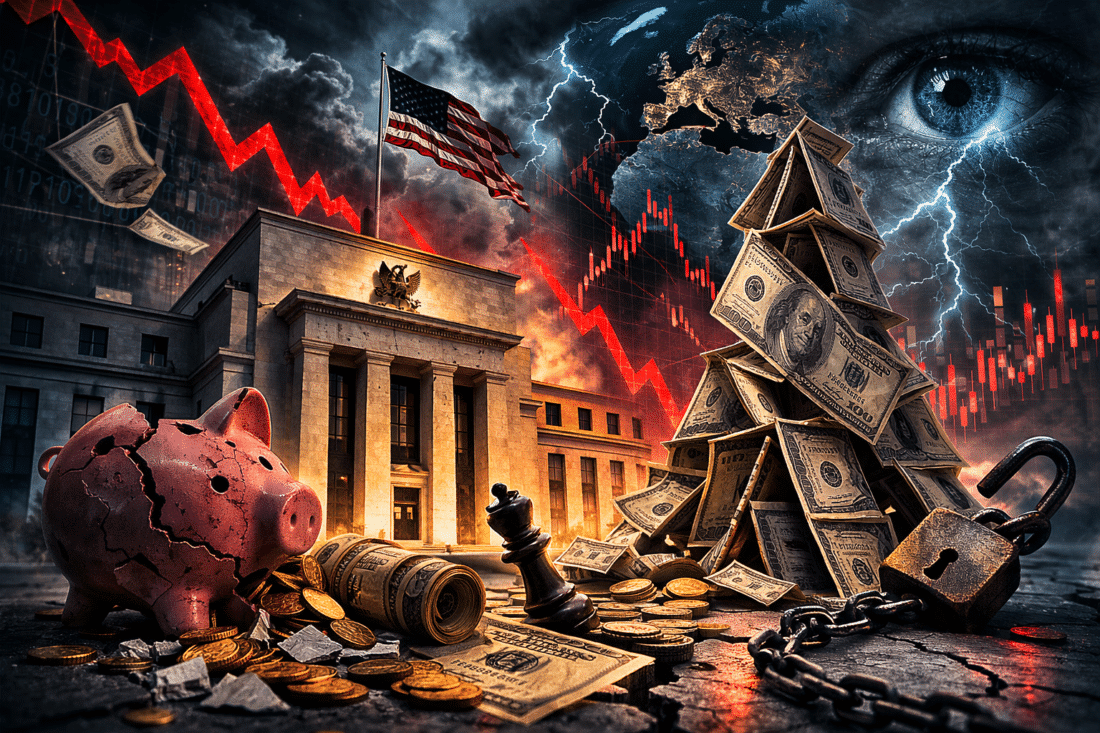

Inflation: A Stealth Tax Masquerading as Policy

The Core Argument: Inflation as Government Theft
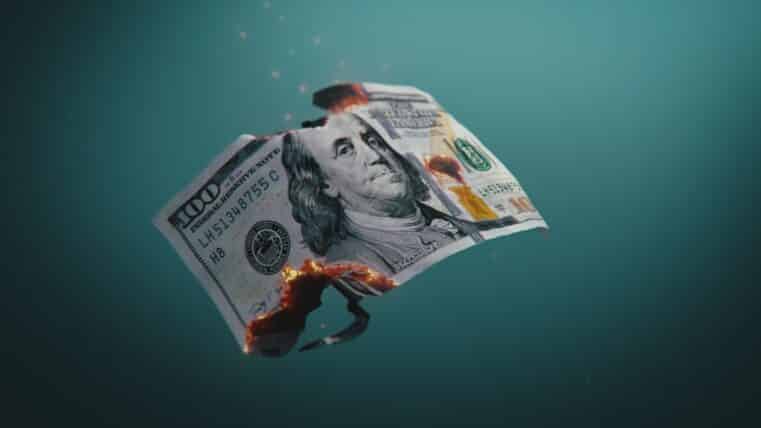
George Ford Smith doesn’t mince words: he calls inflation a “stealth tax” that erodes your purchasing power without legislation, vote, or oversight. Instead of taxing you outright, the Federal Reserve expands the money supply—giving the government more spending power while devaluing every dollar you hold. That devaluation is measurable: between 2021 and 2022, the purchasing power of a dollar declined by about 7.4 percent due to inflation, meaning a dollar in 2022 bought only about 92.6 percent of what it could the year before. In this light, many critics argue that inflation as government theft isn’t just rhetoric but a lived reality, as rising prices quietly strip value from savings, wages, and fixed incomes across the economy.
This central mechanism of monetary inflation enables a silent wealth transfer from the unsuspecting to the connected. Those who receive new money early—Wall Street, government contractors—benefit, while ordinary Americans watch their savings deteriorate.
The Federal Reserve: High Priest of Monetary Alchemy
Smith’s core contention is that the Fed exists not to stabilize markets, but to inflate the currency in service of government expansion. He compares the Fed’s operations—buying Treasury debt with digitally created dollars—to counterfeiting.

Historically, this became possible because the U.S. severed its ties to gold:
- 1933: Domestic gold redemption ended via Roosevelt’s Executive Order 6102.
- 1971: Nixon closed the gold window to foreigners, fully unleashing fiat currency.
With the gold constraint removed, money printing lost all anchors, making inflation a policy tool instead of an economic consequence.
How Inflation Undermines Free Markets and Personal Liberty
Price Signals Get Distorted
Inflation disguises itself as rising wages or booming markets. But in reality, it distorts the price mechanism, misleading consumers, businesses, and investors. People believe they’re wealthier—but that wealth is illusionary.
Savings Are Penalized
Why save money if its purchasing power shrinks every year? Inflation nudges people into riskier assets—stocks, crypto, real estate—not out of confidence but desperation.
Tax Brackets and Hidden Theft
When nominal incomes rise due to inflation, people get pushed into higher tax brackets without a real increase in wealth. This stealth taxation fuels bigger government with no legislative accountability.
The Poor and Retired Get Crushed
Those on fixed incomes suffer most. Their purchasing power vanishes, while the wealthy shelter assets in inflation-resistant investments. Retirement becomes a mirage for millions.
Government Expansion Through the Fed’s “Accommodation”
Smith highlights how accommodative monetary policy—a euphemism for currency debasement—enables the state to grow unchecked:
- War funding without raising taxes.
- Bailouts for failed institutions.
- Entitlements that breed dependence.
These programs don’t need votes—they just need the Fed to click “print.” The cost? Higher prices at the pump, grocery store, and pharmacy—hidden taxes on every transaction.
Trade Wars, Tariffs, and Tumbling Into Tyranny
As inflation skews global competitiveness, domestic producers demand protection. This leads to:
- Tariffs (e.g., Smoot-Hawley Act of 1930),
- Trade wars, and eventually,
- Actual wars.
All of this begins with one simple act: the Fed prints money.
Monetary Delusion and Moral Hazard
When new money floods the system unevenly, asset bubbles form, investors misjudge risks, and boom-bust cycles become the norm. Worse, the public begins to see the state as a limitless provider, conditioned to expect rescues with every downturn.
As Mises warned: “Under inflationary conditions, people acquire the habit of looking upon the government as an institution with limitless means.”
A Mixed Verdict: Valuable Critique, But Not the Whole Picture
Let’s be clear: Smith’s article is powerful, especially for readers rightly skeptical of centralized financial control. His Austrian economics lens reveals how monetary manipulation distorts markets and erodes personal liberty.
But there are important caveats:
- Mainstream economists don’t see all inflation as theft. Moderate inflation is often viewed as necessary for economic growth and to avoid deflationary spirals.
- A gold standard isn’t a panacea. While gold imposes discipline, it can also cause volatility and restrict responsive monetary policy in crises.
- Not all government spending is malicious. Some inflation-financed programs (like pandemic stimulus) arguably prevented deeper collapses, though they also carried long-term costs.
Why This Matters More Than Ever
In 2026, Americans are living through the aftershocks of years of quantitative easing, pandemic bailouts, geopolitical tensions, and policy overreach. With digital currency infrastructure quietly rolling out, your ability to protect wealth in the coming financial reset depends on understanding inflation not just as an economic concept—but as a strategic weapon used by the powerful.
The Bottom Line: Understand the Game or Get Played
Whether you fully accept Smith’s Austrian framing or not, you can’t afford to ignore his warnings. Inflation doesn’t just make life more expensive—it distorts everything. And as the state moves toward Central Bank Digital Currencies (CBDCs) and programmable money, your financial freedom is on borrowed time.
Take Action Before It’s Too Late
Don’t wait for the collapse to realize you were unprepared. Download The Digital Dollar Reset Guide now and learn:
- How to safeguard assets against inflation and currency devaluation,
- Which tools can help you escape centralized financial control,
- What steps to take before the next economic shock hits.
Get the Digital Dollar Reset Guide — FREE
This guide is your map through the coming storm. Use it.
— Bill Brocius
DedollarizeNews.com