Markets Are Also Watching Flashing 2008 Warning Signals: Rising Oil, Tight Credit, and Fragile Financial Conditions

Why Some Analysts Are Comparing Today’s Markets to 2008
In financial markets, patterns matter.
And when seasoned strategists start seeing echoes of past crises, investors listen.
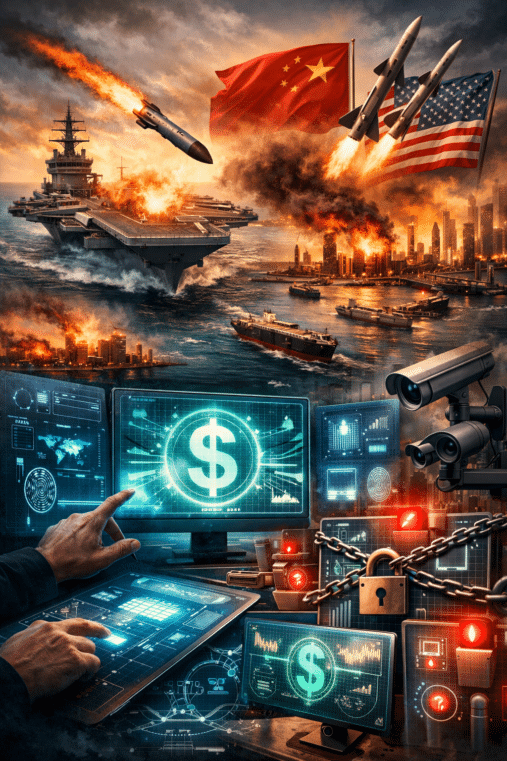
Bank of America strategist Michael Hartnett recently noted that asset performance in 2026 is beginning to look “ominously close” to the market behavior seen between mid-2007 and mid-2008 — the uneasy period right before the global financial system began unraveling.

Back then, the warning signs didn’t appear all at once.
They appeared gradually.
- Energy prices surged
- Credit markets tightened
- Stress quietly built inside complex financial products
For months, markets continued operating as if everything was normal.
Until suddenly, it wasn’t.
Hartnett believes several of those early signals are appearing again.
Warning Sign #1: Oil Prices Are Surging Again
One of the most striking similarities to the pre-2008 environment is the rapid rise in energy prices.
In the year leading up to the financial crisis, oil prices nearly doubled, placing significant strain on businesses and consumers alike.
Today, oil markets are once again under pressure.
Geopolitical tensions in the Middle East have raised concerns about disruptions to global supply routes. Even the possibility of instability in key shipping corridors can send energy prices climbing.
And when oil prices rise, the effects spread throughout the economy.
Energy is a foundational input across nearly every sector:
- Manufacturing
- Transportation
- Agriculture
- Consumer goods production
When energy becomes more expensive, businesses face rising costs that can eat into profit margins.
At the same time, consumers spend more on fuel and utilities, leaving less money for discretionary spending.
That combination can slow economic momentum surprisingly quickly.
Warning Sign #2: Stress Is Emerging in Private Credit Markets
Another area drawing increasing scrutiny is the private credit market.
Over the past decade, private credit has grown into one of the largest and fastest-expanding segments of global finance. These markets provide loans to companies outside traditional banking systems.
For years, this sector thrived in an environment of easy money and abundant liquidity.
But when financial conditions tighten, these markets can reveal hidden vulnerabilities.
Recent signs of strain in private credit are beginning to resemble early tremors seen in subprime credit markets before the Great Recession.
During the mid-2000s, stress first appeared in niche corners of the lending system before eventually spreading throughout the broader financial structure.
That’s why investors watch credit markets so closely.
Credit stress often surfaces before economic slowdowns become visible in traditional economic data.
Warning Sign #3: Financial Conditions Are Quietly Tightening
Another pattern emerging in today’s environment is the tightening of overall financial conditions.
This occurs when borrowing becomes more expensive and access to capital becomes more limited.
Several factors contribute to this shift:
- Higher interest rates
- More cautious lending by financial institutions
- Increased volatility in financial markets
When financial conditions tighten, companies face greater difficulty financing expansion, investment, and operations.
Over time, this can lead to:
- Slower economic growth
- Reduced hiring
- Pressure on corporate earnings
The tightening cycle doesn’t usually trigger immediate crises.
But it can slowly build pressure beneath the surface of the economy.
Why Rising Energy Prices and Tight Credit Are a Dangerous Mix
One reason analysts are uneasy about the current environment is the combination of two powerful economic pressures happening at the same time.
On one side, rising energy costs increase expenses for businesses and consumers.
On the other side, tighter credit makes it harder for companies to absorb those rising costs through borrowing or investment.
This creates a squeeze that can weaken corporate balance sheets.
Businesses may be forced to cut costs, delay expansion plans, or reduce hiring.
And when enough companies begin making those adjustments simultaneously, economic growth can slow more rapidly than expected.
The Role of Market Expectations
Another factor shaping today’s environment is the widespread belief that policymakers will intervene if financial stress becomes severe.
Over the past several decades, markets have repeatedly seen central banks step in during periods of crisis.
These interventions have included:
- Emergency lending facilities
- Interest rate adjustments
- Liquidity injections into financial markets
Because of this history, many investors assume policymakers will act quickly if markets become unstable.
But Hartnett suggests that assumption could be overly optimistic if economic pressures intensify.
Markets that depend too heavily on policy intervention can become vulnerable if that intervention arrives later than expected—or not at all.
The Key Difference Between Now and 2008
Despite the parallels being discussed, most analysts agree that today’s financial system is not identical to the one that collapsed during the Great Recession.
Since 2008, regulators have introduced numerous reforms designed to strengthen banks and reduce systemic risk.
Financial institutions now generally maintain higher capital reserves and face stricter oversight.
However, financial systems evolve.
Risks that once existed inside traditional banking institutions may now appear in less regulated corners of the financial ecosystem, such as private credit markets or alternative lending structures.
This means vulnerabilities can still develop—even if they look different from those of past crises.
The Real Issue: Fragile Financial Conditions
The growing conversation about echoes of 2008 ultimately reflects a broader concern.
The modern financial system remains deeply interconnected and highly sensitive to shocks.
Rising energy prices.
Tightening credit.
Geopolitical instability.
Shifting monetary policy.
Each of these factors can influence the stability of markets on their own.
But when they begin appearing together, they create a more fragile financial environment where small disruptions can have outsized consequences.
That’s why experienced market observers pay close attention when multiple warning signals begin aligning.
Final Thoughts
Comparisons to the 2008 financial crisis naturally attract attention.
But the purpose of these comparisons isn’t to suggest history will repeat itself exactly.
Instead, they serve as reminders that financial systems often show early warning signs before major disruptions occur.
Rising oil prices, tightening credit conditions, and increasing stress in financial markets are signals that deserve attention.
Whether they fade or intensify will depend on how global economic conditions evolve in the months ahead.
For now, the parallels being discussed on Wall Street are enough to make investors watch carefully.
Because history has shown that the most dangerous financial events often begin quietly.
The One Move Smart Readers Are Making Right Now
While markets debate oil shocks, credit stress, and economic slowdowns, something much larger is quietly unfolding behind the scenes in the financial system.
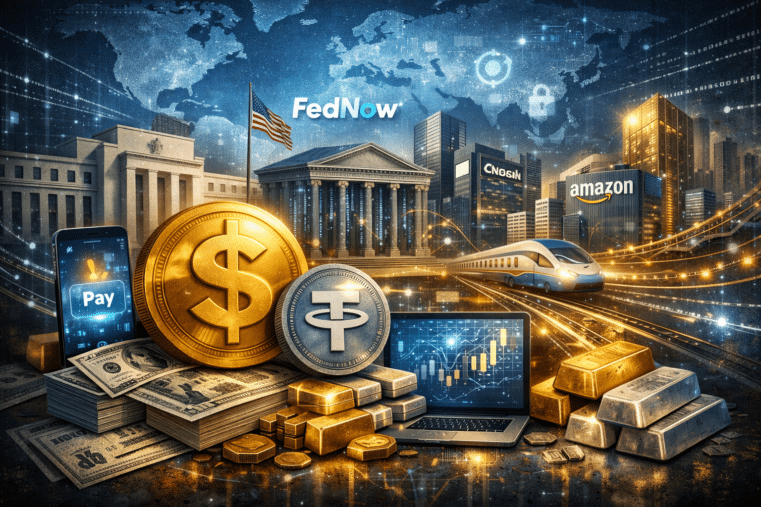
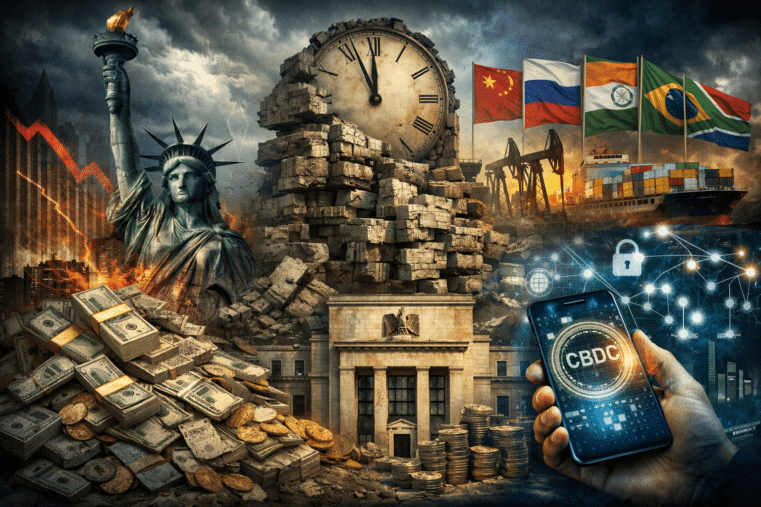
Governments and central banks are rapidly building the infrastructure for digital currency systems that could fundamentally reshape how money works. Programs like the FedNow payment system are already laying the groundwork for programmable money, while central bank digital currency (CBDC) initiatives continue advancing worldwide.
These systems have the potential to dramatically expand government financial surveillance and digital currency control, raising serious questions about the future of financial autonomy in an increasingly cashless society.
Most people won’t fully understand the implications until these systems are fully operational.
That’s why financial researchers and technologists are urging individuals to understand the shift before it’s too late.
One of the most widely circulated preparedness briefings on this topic is the Digital Dollar Reset Guide by Bill Brocius.
This guide explains:
- How the FedNow payment system fits into the evolving digital currency landscape
- The risks associated with CBDCs and programmable money
- How government financial surveillance could expand in a digital economy
- Practical strategies to preserve financial sovereignty in the face of growing digital currency control
If you recognize the warning signs that the global financial system is undergoing a historic transformation, this guide is essential intelligence.