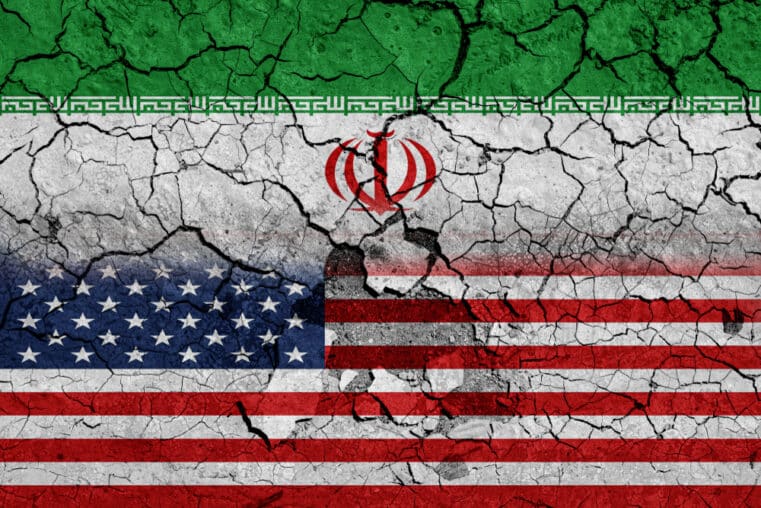
Operation Epic Fury: Oil Shock, Market Panic & Economic Fallout — Is America Walking Into a Financial Firestorm?

The Oil Shock That Could Ignite Inflation — Again
Whenever the Middle East erupts, oil markets don’t wait for diplomacy.
Iran sits near one of the most strategically sensitive chokepoints on Earth: the Strait of Hormuz. Roughly a fifth of the world’s oil supply flows through that corridor. Even the threat of disruption sends futures markets into convulsions.
If Iranian retaliation expands — whether through missile strikes, naval harassment, or proxy disruption — oil could spike sharply. And oil isn’t just gasoline at the pump.

It’s:
- Trucking and shipping costs
- Airline fuel
- Manufacturing inputs
- Plastics and chemicals
- Agricultural production
We’ve already lived through inflation shock once. Another energy spike could:
- Reignite CPI pressure
- Force the Federal Reserve into difficult rate decisions
- Hammer consumer confidence
- Squeeze small businesses operating on thin margins
Inflation is rarely defeated — it retreats and waits for catalysts. War is a classic catalyst.
Wall Street’s War Nerves
Markets hate uncertainty more than bad news.
A short, contained operation might be absorbed. But escalation? Regional spillover? Attacks on U.S. bases? Maritime disruption?
That’s when volatility explodes.
We’re already seeing:
- Defense stocks rising
- Energy stocks surging
- Emerging markets wobbling
- Safe-haven assets attracting capital
If U.S. troop casualties mount and the timeline stretches beyond “four weeks,” markets will begin pricing in:
- Higher federal deficits
- Expanded military spending
- Slower global growth
- Higher borrowing costs
The U.S. government is already carrying historic levels of debt. Add war financing to the equation, and the Treasury will need to issue more bonds into a market that’s already demanding higher yields.
Higher yields mean:
- More expensive mortgages
- More expensive business loans
- Pressure on equities
- Stress on regional banks
War doesn’t just burn fuel — it burns capital.
The Deficit Time Bomb
Let’s talk numbers.
The United States is running trillion-dollar deficits in “peacetime.” Now layer in:
- Combat operations
- Regional deployments
- Naval expansions
- Missile defense replenishment
- Intelligence operations
Wars are rarely cheaper than advertised.
Even a limited conflict could cost tens of billions. A prolonged engagement? Hundreds of billions.
And here’s the inconvenient truth: Washington rarely cuts spending elsewhere to pay for it.
Instead, we get more borrowing.
More borrowing increases the national debt. Higher debt means higher interest payments. Interest on the debt is already one of the fastest-growing federal expenditures.
Eventually, something gives:
- Currency stability
- Fiscal credibility
- Taxpayer tolerance
History shows that war spending often reshapes economic policy long after the shooting stops.
Global Trade Disruption: The Silent Multiplier
Beyond oil, broader trade is vulnerable.
Iran can’t match U.S. conventional power. But asymmetric disruption is another story.
Think:
- Drone harassment of shipping
- Cyberattacks on logistics networks
- Disruption in Gulf port operations
Even modest instability in global trade routes can:
- Delay goods
- Raise shipping insurance premiums
- Increase input costs for U.S. manufacturers
- Hit supply chains still recovering from pandemic-era shocks
The global economy remains fragile. Add military instability in a critical energy corridor, and ripple effects multiply quickly.
The Consumer Squeeze
The average American doesn’t trade oil futures.
They:
- Fill up their car
- Buy groceries
- Pay rent
- Swipe a debit card
If energy spikes again:
- Gas prices rise
- Grocery bills follow
- Transportation costs creep up
- Utility bills increase
Meanwhile, if interest rates remain elevated due to inflation fears:
- Credit card debt becomes more expensive
- Auto loans cost more
- Housing affordability declines further
Consumers are already stretched. Another shock could tip sentiment from cautious to contractionary.
And when consumers pull back, the economy slows.
The Political Risk Premium
War carries political consequences.
Some lawmakers are already questioning constitutional authority and oversight. If domestic political tensions intensify alongside foreign conflict, markets begin to price in governance instability.
Uncertainty around:
- War authorization
- Escalation strategy
- Duration of engagement
- Diplomatic offramps
All of this feeds volatility.
Markets prefer predictability. Prolonged ambiguity adds a “risk premium” to everything.
My Take: Economic Shock Is Often the Real Turning Point
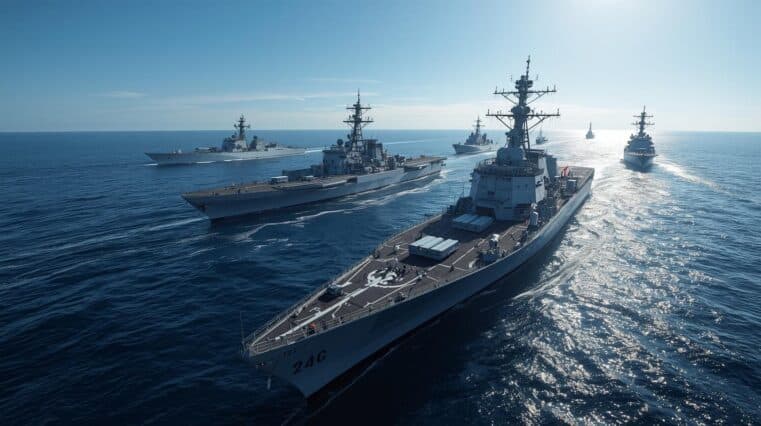
The headlines focus on missile counts and naval ships.
But historically, wars often trigger:
- Monetary shifts
- Structural economic reforms
- Emergency financial measures
- Expansion of executive power
I’ve watched enough cycles to recognize the pattern.
Conflict becomes justification.
Economic strain becomes leverage.
And major financial architecture changes tend to accelerate during periods of instability — especially when governments argue it’s necessary for “security” and “stability.”
The battlefield may be overseas.
The economic consequences land at home.
The Bigger Question: What Comes After the Shock?
If this conflict stays contained, the damage may be temporary.
If it expands?
We could see:
- Sustained inflation pressure
- Rising debt stress
- Market volatility cycles
- Capital flight from vulnerable regions
- Structural economic policy shifts
And history tells us that once emergency powers expand, they rarely contract quickly.
Final Word: Don’t Ignore the Economic Signals
Operation Epic Fury isn’t just a geopolitical flashpoint.
It’s a potential economic inflection point.
Energy markets. Debt markets. Currency stability. Consumer confidence. All of them are now tethered to how this unfolds.
You don’t need to panic.
But you do need to pay attention.
And you need to understand how financial systems evolve during wartime stress.
Because if this conflict accelerates deeper changes in how money moves, how transactions are monitored, and how financial systems are centralized — most Americans won’t see it coming until it’s already operational.
That’s why preparedness matters.
If you want to understand how the digital financial system could evolve in response to economic instability, including the growing role of the FedNow payment system, central bank digital currency (CBDC) development, and the risks of programmable money in a high-surveillance environment, you need to read the Digital Dollar Reset Guide by Bill Brocius.
This isn’t casual reading. It’s strategic intelligence for anyone serious about protecting financial autonomy in a rapidly shifting monetary landscape.
Download the Digital Dollar Reset Guide here
The battlefield may be overseas.
The financial consequences won’t be.