Rare Earth Chokehold Is a National Security Emergency—Even as Trump Fights Back

Let’s Be Clear: This Is a National Security Threat
The United States is still strategically dependent on China for rare earth minerals—the critical inputs for our missile systems, fighter jets, submarines, radar, and even secure communication systems.
Vinod Dsouza’s report notes that China, a core BRICS member, now produces:
- 61% of the world’s rare earth minerals, and
- 92% of global processing output.
And they’re using it as leverage: China slashed rare earth exports by 30.9% in September alone, cutting off the U.S. while funneling supply to BRICS-aligned economies.

That’s not a trade dispute. That’s an economic siege.
What Trump Is Doing—And Why It May Not Be Enough
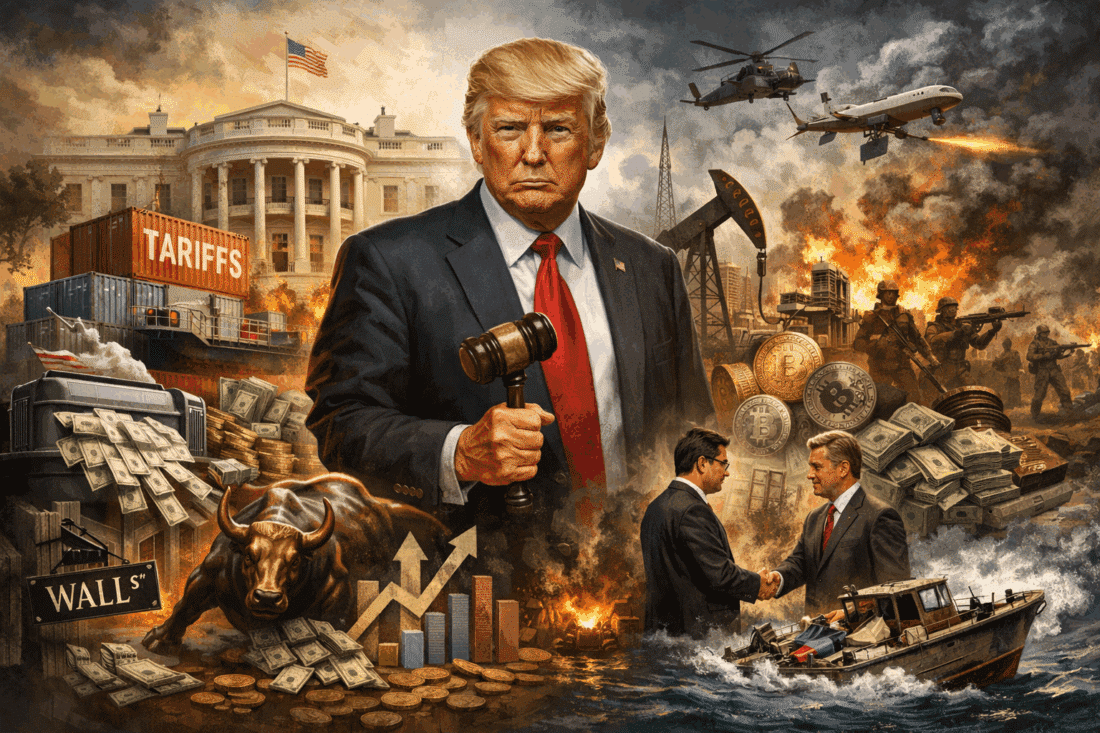
Unlike past administrations, President Trump has launched a full-spectrum counteroffensive:
- Fast-tracked mining permits in key U.S. states
- Authorized $3.1 billion in federal funding for rare earth refining plants
- Used the Defense Production Act to subsidize domestic producers
- Cut new deals with Australia, Brazil, and Canada to diversify sourcing
- Imposed 100% retaliatory tariffs on China’s exports
These are bold moves, and he deserves credit for reversing decades of negligence. The Mountain Pass mine in California is back online. Texas is now building its first U.S.-based rare earth separation facility in years. And U.S. defense agencies are working on synthetic substitutes for Chinese materials.
But here’s the problem:
Time is not on our side.
Infrastructure takes years to build. Alliances take months to finalize. China can cut us off in a day.
And the consequences? Immediate.
America’s Military Readiness Could Grind to a Halt
Just one example: the F-35 fighter jet, the crown jewel of U.S. air power, requires over 400 kg of rare earth materials. Without a secure supply chain, the production line stops cold. So does the Navy’s sonar equipment. So do missile guidance systems and secure communications.
Imagine a flashpoint in Taiwan, the South China Sea, or Iran. Now imagine our defense contractors waiting on a shipment from China.
The threat isn't theoretical. It's now.
And Here’s Where It Hits Your Wallet
Military instability always becomes economic instability. And in a country where:
- Over 450 U.S. banks are undercapitalized (FDIC internal data, 2025)
- Interest rates remain high, choking liquidity
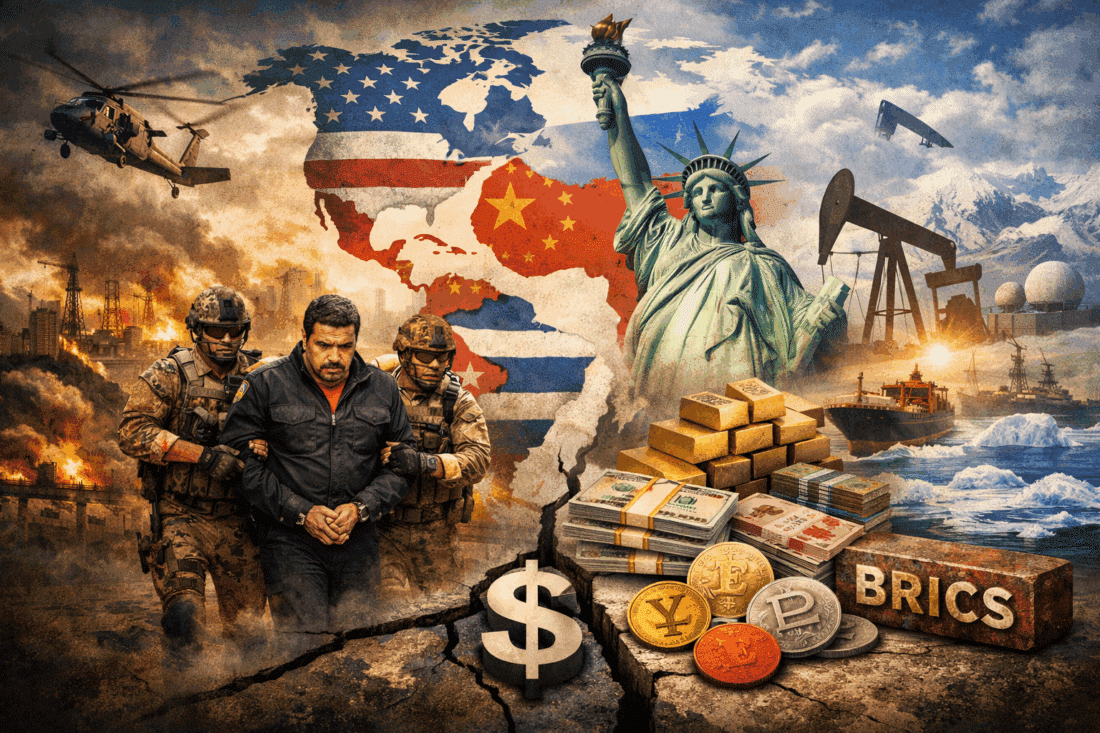
- The dollar is being actively challenged by a BRICS gold-backed currency
…it’s only a matter of time before a rare earth-induced national crisis spills into a banking one.
Bank runs aren’t about logic. They’re about confidence. And nothing kills confidence faster than a military disadvantage paired with supply chain collapse.
What You Must Do Before the Next Phase Hits
Even with Trump’s aggressive action, you can’t wait for Washington to secure your future. This is the time to go from dependent to prepared.
📘 Step 1 – Download My Free Guide
7 Steps to Protect Your Account from Bank Failure
Practical moves you can make now to secure your savings from systemic shocks.
📖 Step 2 – Read the Full Picture
End of Banking As You Know It
My book lays out how national security threats become financial meltdowns—and what you can do about it.
🔐 Step 3 – Join the Inner Circle ($19.95/mo)
Subscribe here
Get exclusive alerts, deeper insights, and unfiltered analysis before it hits the headlines.
Final Word
Trump’s actions may buy us time—but China still holds the high ground, and BRICS is weaponizing that leverage fast. America is being pressured militarily, economically, and diplomatically in ways we haven’t seen in decades.
This isn’t a supply chain hiccup. It’s a strategic wake-up call.
You don’t need to panic.
You do need to prepare.
—Bill Brocius