Ray Dalio Warns Of Economic War Between The U.S. And China, Advocates For Gold

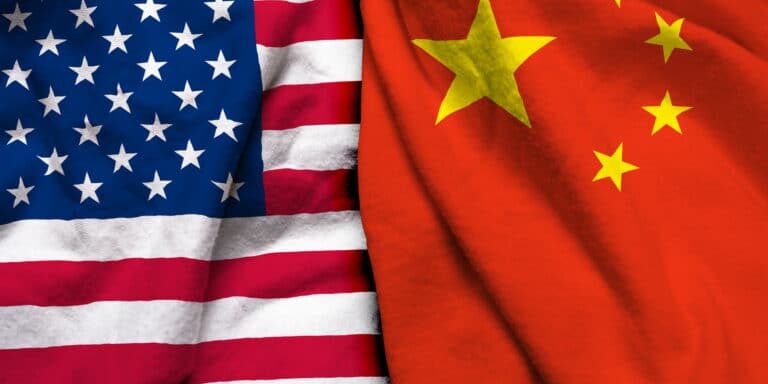
EDITOR'S NOTE: In a recent letter published on LinkedIn, Ray Dalio, billionaire and founder of the world's largest hedge fund, Bridgewater, warned that the U.S. and China are on the brink of an economic resources war. With both nations beyond the ability to talk, they are inching closer to a sanctions war and possibly a military conflict. Dalio's letter outlines the growing tensions between the two countries, focusing on hot topics like Taiwan, Chinese military exercises, economic sanctions, and control over essential technologies and resources.
In addition, Dalio shared his thoughts on gold and Bitcoin in an interview with podcaster Chris Williamson. Despite owning a small amount of Bitcoin, Dalio expressed a preference for gold, citing its timeless and universal nature. The billionaire pointed out that gold is the third-highest reserve asset for central banks, and they continue to buy it over bonds.
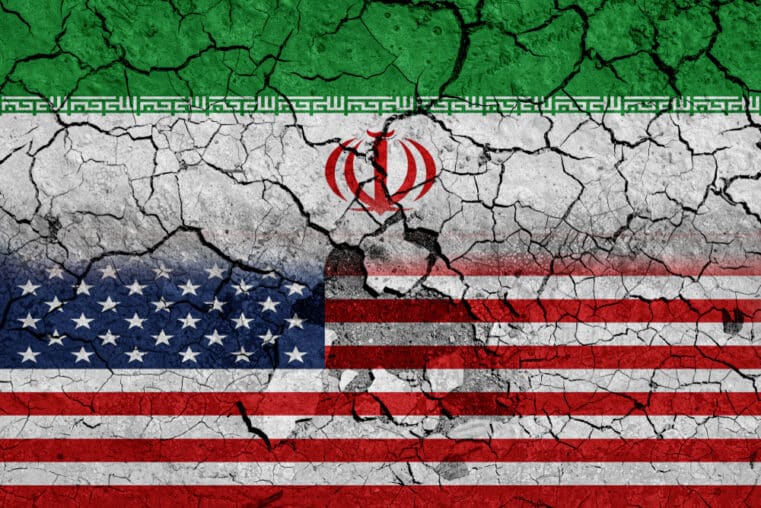
(Kitco News) The U.S. and China are on the brink of war, billionaire and Bridgewater's founder Ray Dalio warned in a letter he penned on LinkedIn.
"We are on the brink of an economic resources war," the founder of the world's largest hedge fund wrote last week.

And the two nations are beyond "the ability to talk," he said.
Dalio pointed out that the China and America are close to a sanctions war and/or military war. And even though neither side wants a conflict, one is pretty probable. "A) each side is very close to the other's red lines, b) each side is using brinksmanship to push the other at the risk of crossing each other's red lines, and c) politics will probably cause more aggressive brinksmanship over the next 18 months," Dalio wrote.
And the next 18 months will be especially risky as the U.S. embarks on the 2024 election season, he added.
"The political timetable of the election cycle between now and the 2024 elections in the United States and Taiwan will likely lead to more push-the-limit anti-Chinese brinksmanship from the US," Dalio noted. "Because China and the US are already at the edge of war, pushing hard against China over the next 18 months will be very risky."
Hot topics will include Taiwan, Chinese military exercises, China's relationship with Russia, economic sanctions, and control over resources and essential technologies.
"Controlling essential technologies and minerals to defend against being cut off from them, and being able to cut off the opponent's essential technologies and minerals, is now being done and is provocative," Dalio wrote. "It is leading to more onshoring and 'friendshoring,' both of which are much less cost-effective and will reshape alliances."
The world order is changing, and all countries are getting caught up in the reshuffle based on resources. Dalio gives the example of the Micron Technology case.
"The US has already asked the South Korean government to influence its two major chip producers (Samsung Electronics and SK Hynix) to not increase sales to China if Micron is banned from selling its chips in China. What South Korea does in this case and other cases will define its relations with the United States and China," Dalio said. "This dynamic is rapidly changing alliances."
Another example is Saudi Arabia's changing relationships with the U.S., China, and Russia.
"In an environment in which one wants to deal with 'friends,' trade and investment is shifting to being more with allies than cost-effective sources. Watch the demand for key materials that can be squeezed—e.g., lithium, cobalt, rare earths, wafers and cells in solar energy technology, etc," Dalio pointed out.
Bridgewater's founder also urged the U.S. and China to agree to specific rules if war broke out to contain the conflict. For example, agreeing not to kill each other's troops, not to fight on each other's land, and not to use nuclear weapons.
"If there is a military war it would be good to have agreements such as 1) no side's military will directly kill the other side's military, 2) no fighting will take place on the other side's lands, and 3) neither side will use nuclear, cyber, and space weapons, etc," he said. "It is hoped that in that way, if there is war, it will be contained."
Dalio also made his thoughts known about gold and Bitcoin in a recent interview with podcaster Chris Williamson.
When asked about the crypto space, Dalio said he owns a small amount of Bitcoin but favors gold.
"I would prefer gold," he said. "I don't understand why people are more inclined to go to Bitcoin than gold. If you look internationally, gold is, for central banks, the third highest reserve asset. First is dollars, then euros, then gold, and the Japanese yen. And central bankers are buying gold, and they're not buying bonds."
The billionaire described gold as "timeless and universal."
Originally published by: Anna Golubova on Kitco News