AMERICA OUTMANEUVERED: China, Russia, Iran Alliance Signals a Dangerous Shift in Global Power

A New Axis Is Taking Shape
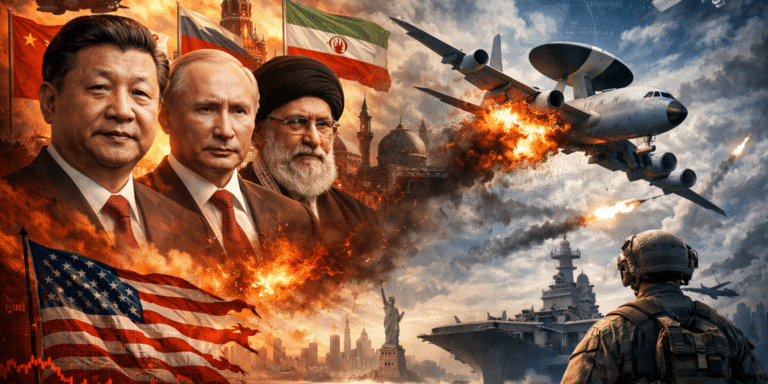
China. Russia. Iran.
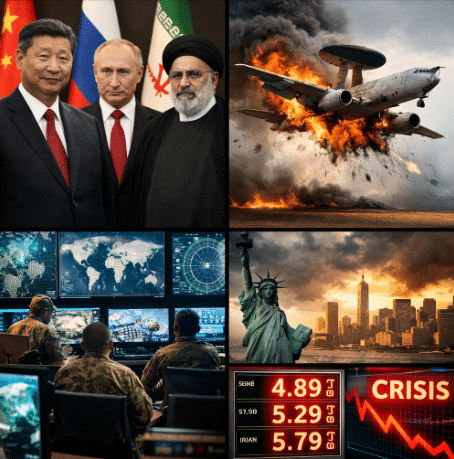
Three nations, one growing alignment. Not hypothetical. Not distant. It’s happening now.

Recent reports suggest China is doing more than playing diplomat. Intelligence sharing. Technology transfers. Strategic coordination. These are not symbolic gestures—they are force multipliers.
When adversaries cooperate, the battlefield changes. Fast.
And the United States? Struggling to keep up.
A Costly Wake-Up Call
An American AWACS surveillance aircraft—one of the most advanced systems in the arsenal—was reportedly struck in a coordinated attack.
That’s not just a loss. That’s a message.
If outside intelligence helped guide that strike, it signals something far more serious: U.S. military assets may no longer operate with the same level of informational advantage.
That changes the equation for every service member deployed overseas.
The Intelligence Game Has Changed
Modern warfare isn’t just missiles and drones. It’s data.
Tracking systems. Satellite feeds. Signal interception. AI-enhanced targeting.
If rival powers are sharing that data with Iran, then the battlefield isn’t just in the Middle East—it’s global, digital, and constant.
And here’s the uncomfortable question:
Why does it feel like the U.S. is reacting instead of leading?
Leadership Gaps and Strategic Drift
Washington talks tough. Issues statements. Holds briefings.
But where is the deterrence?
Where is the cost for nations that cross the line?
For years, policymakers assumed economic interdependence would moderate global rivals. That trade would tame ambition.
That assumption looks increasingly shaky.
Instead, we’re seeing coordination—not caution.
Why This Matters at Home
This isn’t just about foreign policy. It hits closer than most realize.
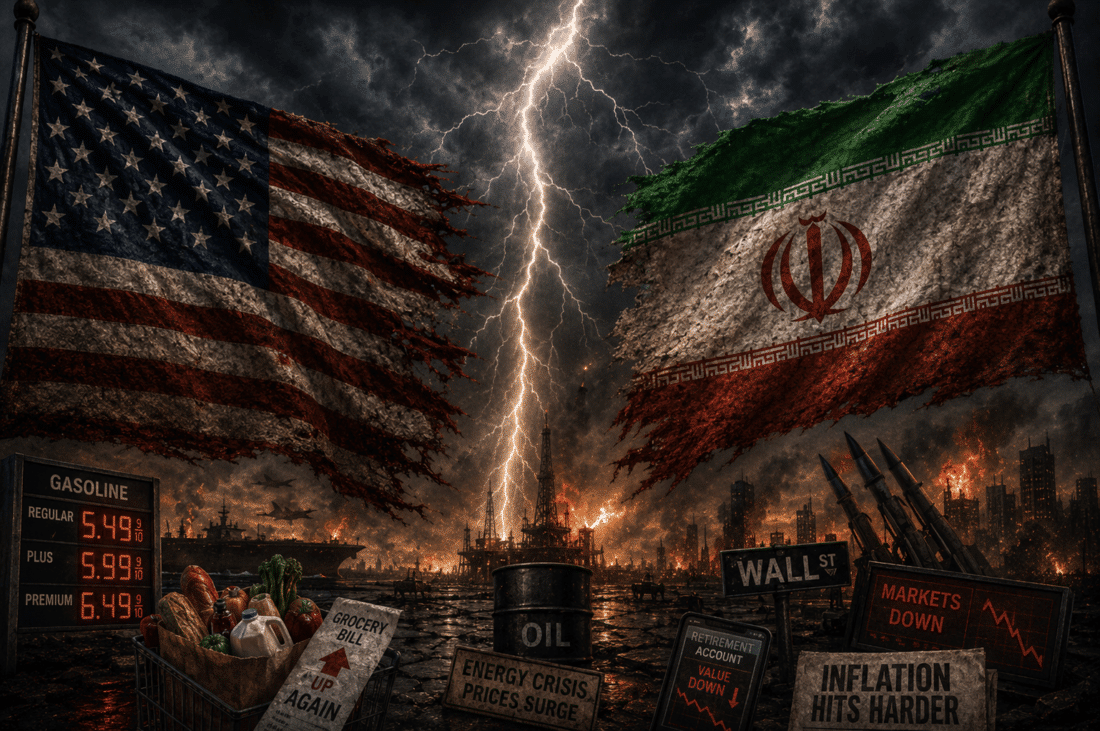
- Rising global instability drives inflation and energy volatility
- Military escalation increases federal spending—and debt
- Economic uncertainty shakes already fragile household finances
And while everyday Americans juggle rising costs, geopolitical risks grow in the background.
Quietly. Steadily.
Media Silence, Public Confusion
You won’t hear sustained coverage of this. Not in a way that connects the dots.
Short segments. Isolated headlines. Then it disappears.
But these developments aren’t isolated. They are part of a broader shift—one that demands attention, not distraction.
A System Under Pressure
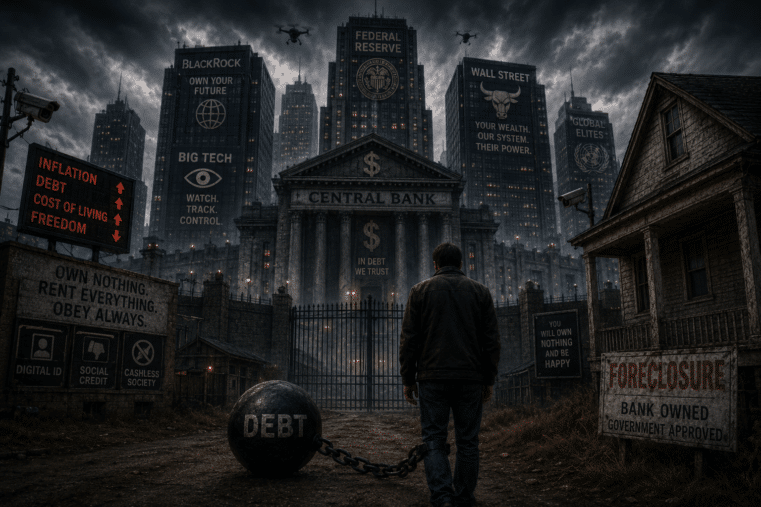
When global tensions rise, so does pressure on financial systems.
More spending. More borrowing. More intervention.
And historically, those pressures don’t fall on institutions—they fall on individuals.
Savings erode. Purchasing power shrinks. Stability becomes uncertainty.
The Bigger Picture
This isn’t just about one conflict.
It’s about a changing world order.
- Alliances are shifting
- Power is decentralizing
- Old assumptions are breaking down
And the question is no longer if this affects Americans—it’s how much.
Final Word: Pay Attention
Moments like this don’t announce themselves with clarity. They unfold gradually, then suddenly.
Ignoring them doesn’t make them disappear.
Understanding them is the first step toward navigating what comes next.
Take Action
If you want deeper analysis on where global events are heading—and how to protect yourself in uncertain times—consider joining the Inner Circle.
Get insights the mainstream won’t connect. Stay informed. Stay prepared.