Stagflation Fears Return: Why Wall Street Is Suddenly Whispering About the 1970s Again

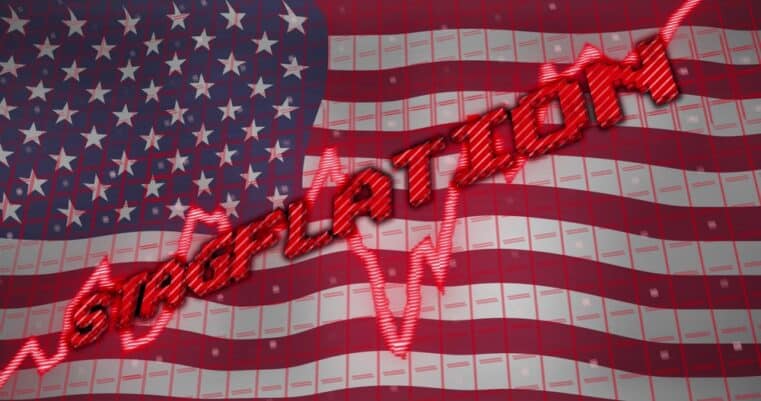
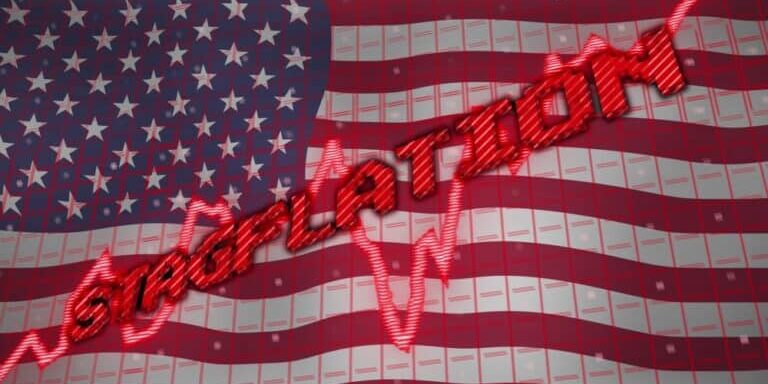
Wall Street Is Suddenly Talking About Stagflation Again
For years, the word stagflation was treated like a ghost from the past—something economists discussed in textbooks but rarely expected to see again.
Now it’s back in the conversation.
Across Wall Street, analysts are warning that the economy may be drifting toward the dreaded combination of rising prices and slowing growth, a toxic mix that haunted the United States in the 1970s.

The trigger this time?
A troubling convergence of events:
- Weakening employment data
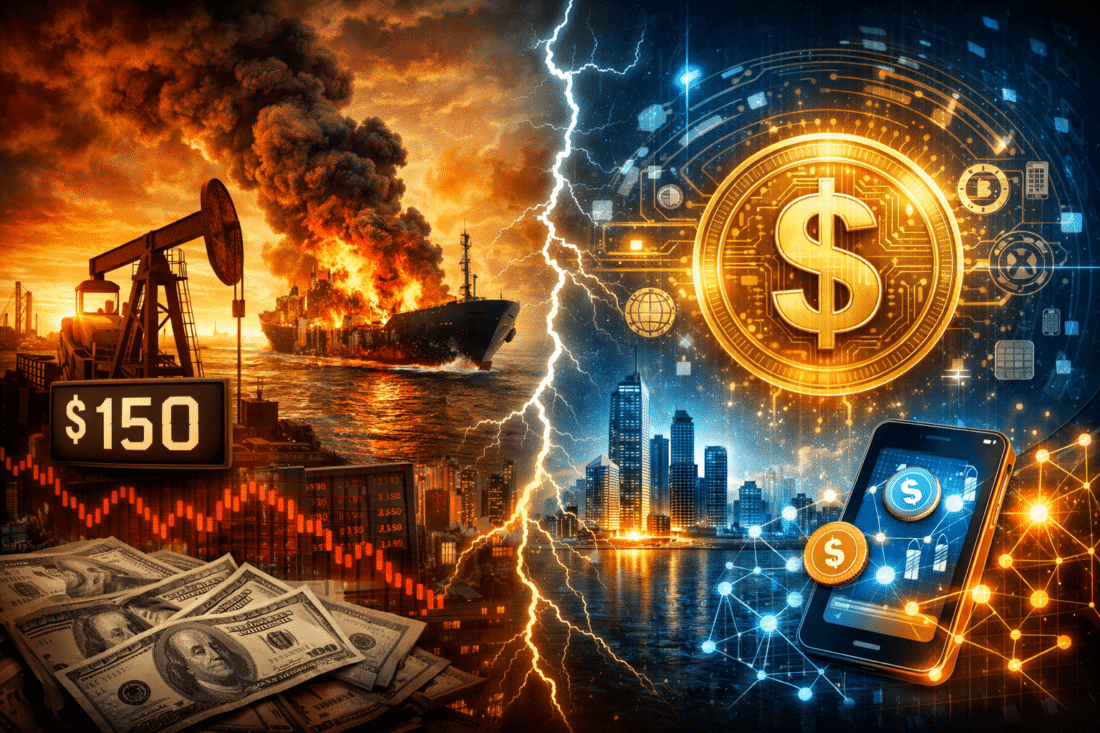
- Rising global oil prices
- Escalating geopolitical instability
- Supply chain disruptions in critical shipping routes
Individually, each issue is manageable. Together, they create a scenario investors hate: an economy that struggles to grow while everyday costs keep climbing.
That’s the recipe for stagflation.
And suddenly, it’s on everyone’s radar.
The Oil Shock That Has Investors Nervous
Energy has always been the pressure point in global economics.
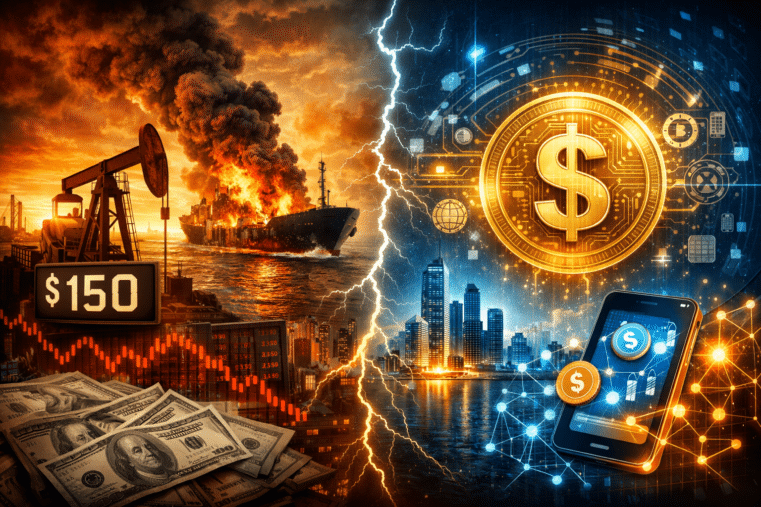
The latest concerns stem from instability tied to the Iran conflict and disruptions near the Strait of Hormuz, one of the most important shipping lanes on the planet.
Roughly 20% of the world’s oil supply moves through that narrow corridor.
If shipping flows through the region become restricted—or worse, blocked entirely—the shock to global supply could ripple across every sector of the economy.
Energy prices climb.
Transportation costs rise.
Food prices follow.
Manufacturing slows.
The entire system feels the strain.
This is exactly the type of supply shock that historically triggers inflation while simultaneously slowing economic growth.
The Jobs Market Is Showing Signs of Fatigue
The second piece of the puzzle is the labor market.
Recent employment reports show that job growth is cooling.
For years, the U.S. economy was supported by a surprisingly resilient labor market. Even during periods of high inflation, strong hiring kept the broader economy moving.
Now, cracks are beginning to show.
Rising unemployment—even modest increases—changes the entire economic dynamic.
Consumers spend less.
Businesses become cautious.
Investment slows.
If inflation remains elevated while job growth weakens, the economy begins drifting toward the uncomfortable territory economists are now warning about.
Why This Isn’t Exactly the 1970s
Despite the comparisons, many economists argue that today’s situation differs from the classic stagflation era.
In the 1970s, inflation spiraled because of a powerful feedback loop known as the wage-price spiral.
Workers demanded higher wages to keep up with rising costs.
Companies raised prices to offset those higher wages.
That pushed inflation even higher.
The cycle repeated again and again.
Today, the labor market looks very different.
Workers generally have far less bargaining power than they did decades ago. Union membership is significantly lower, and wage growth remains relatively contained compared to the inflation spikes seen in the past.
That means the same runaway spiral may not occur.
But that doesn’t mean the situation is harmless.
Why Investors Are Still Concerned
Even if the worst-case version of stagflation never materializes, the combination of inflation pressure and weak growth is still toxic for financial markets.
Normally, investors rely on one asset class to offset losses in another.
Stocks may fall, but bonds rise.
Or vice versa.
In a stagflationary environment, both can decline at the same time.
Higher inflation pushes interest rates up, hurting bonds.
At the same time, slowing growth drags down corporate profits, hurting stocks.
When both sides of the traditional portfolio equation suffer, markets become volatile and unpredictable.
That’s exactly what analysts are warning about now.
The Bigger Lesson Most People Miss
Economic shocks rarely arrive with a warning label.
They emerge quietly at first—small signals that most people ignore until the pressure becomes impossible to overlook.
Rising fuel prices.
Softer job numbers.
Shipping disruptions.
Geopolitical instability.
Each piece alone might seem manageable.
But when several of them appear simultaneously, the economic system becomes far more fragile than it looks on the surface.
That’s why experienced investors pay attention when certain words start resurfacing in financial circles.
And right now, one of those words is stagflation.
Final Thoughts
History doesn’t repeat itself perfectly—but it often rhymes.
The current economic environment isn’t a carbon copy of the 1970s. But the ingredients that created that era’s turbulence are beginning to appear again in new forms.
Energy shocks.
Economic slowdown.
Inflation pressures.
Markets don’t like uncertainty, and right now uncertainty is exactly what’s building beneath the surface.
Whether this develops into something more serious remains to be seen. But ignoring the warning signs has never been a particularly successful strategy.
Staying informed—and staying prepared—has always been the smarter move.
A Critical Resource You Should Download Now
While mainstream media focuses on short-term market movements, far bigger structural changes are quietly reshaping the financial system.
Governments and central banks are rapidly expanding digital financial infrastructure—including systems like FedNow and the development of central bank digital currencies (CBDCs).
These technologies introduce the possibility of programmable money, expanded transaction monitoring, and unprecedented financial control.
For anyone concerned about protecting their financial independence in this rapidly changing landscape, understanding what’s coming next is essential.
That’s why I strongly recommend downloading the Digital Dollar Reset Guide by Bill Brocius.
This guide breaks down:
- How FedNow fits into the evolving financial system
- The risks associated with CBDCs
- What programmable money could mean for everyday transactions
- Practical steps individuals can take to safeguard their financial autonomy
If you want to stay ahead of the changes already unfolding behind the scenes, this is critical intelligence.