Supreme Court Clips Trump’s Tariff Power — But Don’t Expect Relief at the Checkout Line

The Headline Sounds Big. The Impact? Not So Fast.
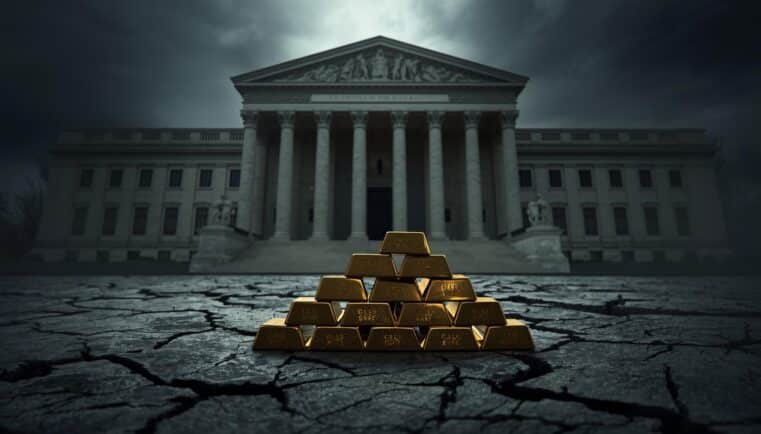
The Supreme Court removed a significant portion of President Trump’s tariff authority. On paper, that’s a major decision. It reshapes the balance of power between the executive branch and the courts.
But here’s the truth: don’t expect your grocery bill or back-to-school shopping receipt to shrink tomorrow.
Even economists quoted in mainstream coverage admit it. Many of the overturned tariffs can be replaced under different trade authorities. Section 122 of the 1974 Trade Act. Steel and aluminum authorities. Other statutory tools still available to the White House.

The toolbox isn’t empty. One wrench was removed. The rest remain.
And President Trump has already signaled he intends to keep using them.
Why Prices Probably Won’t Drop
Let’s deal with the question most Americans are asking:
“If tariffs are struck down, do I get a break at the store?”
Short answer: highly unlikely.
Businesses are notoriously slow to lower prices once consumers have adjusted to higher ones. When costs go up, companies pass along what they can. When costs fall, margins quietly improve.
That’s not a partisan statement. That’s market behavior.
Even analysts at the conservative-leaning Tax Foundation acknowledge that while tariff rates may shift, the impact on shelf prices won’t be dramatic overnight. Some companies absorbed part of the tariff cost. Others passed portions along. But once pricing structures are set, they tend to stick.
Consumers rarely see retroactive relief.
You won’t get a check in the mail for last year’s higher sneaker prices. That’s not how the system works.
The Real Story: Power Over Trade
This ruling isn’t just about prices.
It’s about power.
Who controls America’s trade policy?
- The president?
- Congress?
- The courts?
For decades, Congress delegated broad authority to the executive branch on trade. Presidents of both parties used it. The Supreme Court just reminded everyone that those powers are not unlimited.
That matters.
Because tariffs aren’t simply taxes. They’re leverage. They’re tools used in negotiations. They shape supply chains. They influence domestic industry.
And in a global economy where manufacturing dominance equals geopolitical strength, trade policy is strategy.
The Inflation Factor
There’s no denying tariffs can contribute to higher costs.
The Tax Foundation estimates tariffs added roughly $1,000 in tax expenses for the average U.S. household in 2025. That’s not pocket change. Especially in a country already battling inflation fatigue.
But here’s the nuance rarely discussed:
Inflation is multi-causal. Energy policy. Monetary policy. Supply chain disruptions. Corporate pricing strategies. Government spending. Global instability.
Tariffs are one piece of a much larger puzzle.
Striking them down doesn’t automatically unwind broader inflationary pressures. And replacing them under different authorities could keep effective tariff rates elevated anyway.
So while the legal fight grabs headlines, the economic picture remains complex.
Corporate Power vs. Consumer Power
There’s another uncomfortable layer here.
If companies truly absorbed significant portions of tariff costs — as some analysts argue — that reveals something important about corporate pricing power.
Large corporations operate with pricing flexibility. They adjust margins. They strategize long-term. They anticipate policy shifts.
The average American family does not have that luxury.
When policy changes ripple through the economy, everyday households feel it first and recover last.
That’s why this ruling matters. Not because of instant price cuts. But because it highlights how concentrated economic power has become — in Washington and in corporate boardrooms alike.
What This Means Moving Forward
Here’s what we know:
- The Supreme Court limited one major tariff authority.
- Other tariff tools remain available.
- The administration is already moving to use alternative legal pathways.
- Consumer prices are unlikely to fall in any dramatic way.
- Trade policy remains politically charged and economically significant.
In other words, the fight isn’t over. It’s evolving.
Trade will remain central to the debate about American industry, national security, and economic independence. Courts will continue testing executive power. And voters will continue judging results at the checkout counter.
The Bigger Question: What’s the Long-Term Strategy?
The most important issue isn’t whether tariffs sit at 4.5% or 10%.
It’s this:
What is America’s long-term trade strategy?
- Do we prioritize domestic manufacturing?
- Do we rely heavily on global supply chains?
- Do we recalibrate executive authority?
- Do we return more trade power to Congress?
These are not small questions. They shape the country’s economic future.
And they deserve more than soundbites.
Final Word
The Supreme Court’s decision may feel seismic in Washington. But for most Americans, the practical impact will be gradual, not immediate.
Prices won’t magically fall.
Corporate margins won’t suddenly shrink.
Trade tensions won’t disappear.
What remains is a larger debate about sovereignty, economic resilience, and who ultimately controls the levers of power.
If you want deeper analysis on the forces reshaping America’s economy — beyond the headlines — join me inside the Inner Circle, where we break down what the mainstream won’t, connect the dots, and stay ahead of the curve.