The Fed's Power Grab Just Hit a Wall — But Is It Too Late?

The Central Bank: America’s Most Untouchable Institution
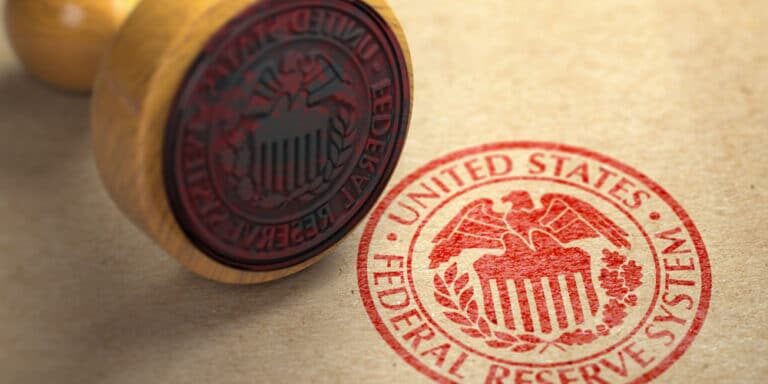
Let’s cut through the polite financial jargon: the Federal Reserve is a private banking cartel disguised as a public institution. It prints our money, manipulates interest rates, and—oh yeah—regulates the very same banks it’s supposed to keep in check. That’s like putting the fox in charge of the henhouse and giving it night vision goggles.
Scott Bessent’s public takedown in the Wall Street Journal is long overdue. He points to what he calls a “conflict that blurs accountability and jeopardizes independence.” He’s not wrong. The Fed sets the rules, lends to the banks, then turns around and grades its own homework. And nobody voted for this.
Worse, it’s all been normalized. Most Americans think the Fed has always played cop, judge, and getaway driver in the banking world. But it wasn’t always this way. When the Fed was cooked up in 1913 (in secret meetings on Jekyll Island, no less), regulating banks wasn’t on the menu. It was supposed to stabilize currency and prevent bank runs. That’s it.

So how did we get here? Easy—crisis after crisis. Each one gave the Fed a new excuse to grab more power. First the Great Depression. Then the 2008 crash. Then COVID. Each time, the Fed stepped in to “save the system”—and each time, it walked away with more control.
Bessent’s Gambit: Pulling Back the Curtain
Bessent’s proposal is nothing short of revolutionary in DC terms. He wants a full, “independent, nonpartisan review” of the Fed’s entire operation: monetary policy, regulation, communications, staffing, research—the whole shebang.
Don’t underestimate how radical that is.
He’s essentially saying: this unelected financial priesthood needs to answer to someone—or get out of the business of bossing around banks entirely. And while Fed Chair Jerome Powell is playing it cool in public, behind closed doors, you can bet the central bankers are scrambling.
Powell himself has admitted the current structure—where one Vice Chair gets outsized power over bank regulation—is volatile and dangerous. But instead of rethinking the whole system, they’re doubling down. Trump’s hand-picked regulator Michelle Bowman is already “reviewing” capital requirements for big banks. Translation: tightening the leash before it gets yanked out of their hands.
The Risk: Trading One Beast for Another
Now, let’s not get too cozy with this plan. Yes, the Fed is bloated and overpowered. But shifting that power to the Treasury—or worse, some other alphabet agency—doesn’t exactly scream “freedom.” If we’re not careful, we could end up swapping one unelected technocracy for another, with even less transparency.
Think about it: Bessent wants a review. Great. Who runs it? Congress? The same bought-and-paid-for legislators who can’t pass a clean budget? The White House? Please. We’re staring down the barrel of executive overreach in a tailored suit.
The danger isn’t just in who has the power. It’s in the fact that no one wants to give it up.
The Deeper Problem: You’re Not Supposed to Notice
Here’s the uncomfortable truth: the Fed isn’t broken. It’s doing exactly what it was designed to do—consolidate power and protect the banking elite from accountability.
The media won’t tell you that. They’ll paint this like a boring inside-baseball debate about bank regulation. It’s not. This is about control. Of the money supply. Of the economy. Of you.
Every time the Fed makes a move—raising rates, backstopping a bank, issuing digital currency—it affects your rent, your job, your debt, your freedom. And they don’t ask for your input. Hell, they don’t even ask for your consent.
And now, with the rise of FedNow and Central Bank Digital Currencies lurking in the wings, you’re about to see a level of surveillance and control that makes the Patriot Act look quaint.
So yeah, Bessent’s play might be flawed. But he’s pointing in the right direction. The Fed needs sunlight. And maybe a crowbar.
Call to Action: Don’t Wait for D.C. to Save You
Whatever happens in this bureaucratic turf war, one thing is certain: you need to protect yourself. Don’t bet your future on the same institutions that have sold you out time and again.
Download Seven Steps to Protect Yourself from Bank Failure by Bill Brocius right now. It’s free, it’s urgent, and it’s your first step toward financial self-defense in a collapsing system.
Stay skeptical. Stay sovereign.
— Derek Wolfe