THE GLOBAL POWER GRAB: WHY WALKING AWAY FROM ALLIES COULD COST AMERICA EVERYTHING

THE NEW “SPHERES OF INFLUENCE” FANTASY
There’s a dangerous idea making the rounds.
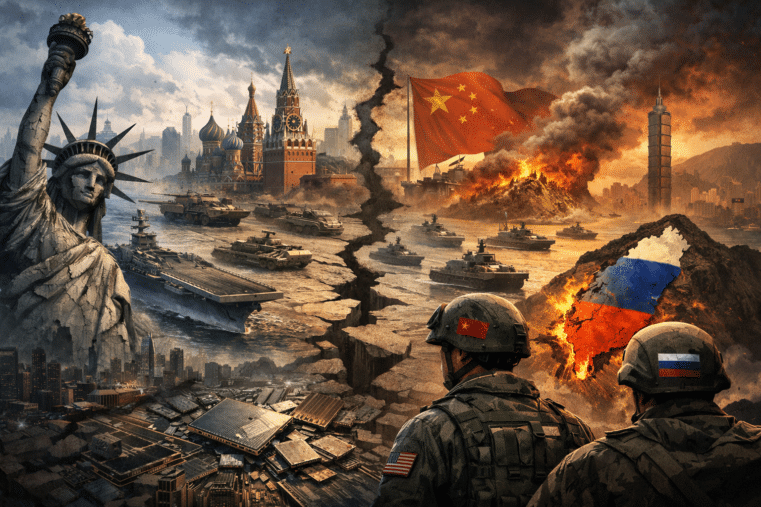
Let China dominate Asia.
Let Russia dominate Europe.
Let America stay in its lane.
On paper, it sounds like “realism.” Clean lines. Fewer commitments. Less cost.

But here’s the truth: the world doesn’t work that way anymore. And pretending it does could leave America boxed in, cut off, and weakened.
This isn’t strategy. It’s surrender dressed up as strength.
AMERICA’S EDGE HAS NEVER BEEN ISOLATION
For decades, America’s advantage wasn’t just military power. It was reach.
- Access to global markets
- Strategic alliances across continents
- Influence over trade, technology, and security
That network? It’s power.
Walk away from Europe and Asia, and you don’t become independent—you become limited. You shrink your own playing field while your competitors expand theirs.
CHINA ISN’T WAITING—AND IT’S NOT PLAYING FAIR
Let’s get real about what’s at stake.
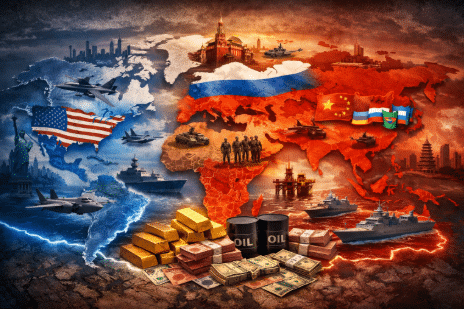
China already dominates huge chunks of global manufacturing.
It controls critical minerals.
It’s positioning itself to control advanced technology supply chains.
And then there’s Taiwan.
That small island produces around 90% of the world’s most advanced semiconductors—the chips that power everything from your phone to U.S. missile systems.
If China takes Taiwan, it doesn’t just gain territory. It gains a chokehold on the global economy.
Now ask yourself: does stepping back from Asia make America safer—or more vulnerable?
EUROPE STILL MATTERS—A LOT
It’s easy to dismiss Europe as stagnant or declining. That’s a mistake.
Europe remains:
- A major economic hub
- A key market for American goods
- A critical partner in defense and intelligence
Pulling out—ending alliances, shutting bases—creates a vacuum.
And power vacuums don’t stay empty. They get filled.
THE REAL ISSUE: WHO HOLDS THE LEVERAGE?
This is what it all comes down to.
Leverage.
If America walks away from alliances, it loses:
- Influence over global trade
- Access to critical resources
- Strategic positioning against rivals
Meanwhile, competitors gain ground—fast.
And here’s the part too many elites won’t say plainly:
Economic power isn’t just about what you produce. It’s about what you can access, protect, and control.
Cut yourself off, and you don’t gain independence—you lose options.
YES, AMERICA NEEDS TO REBUILD—BUT NOT ALONE
Let’s be clear: the critics aren’t wrong about everything.
America does need:
- Stronger domestic industry
- Secure supply chains
- Less dependence on fragile systems
But rebuilding doesn’t happen in a vacuum. It takes time. It takes coordination. It takes smart partnerships.
You don’t fix vulnerability by pretending the rest of the world doesn’t exist.
A HARD TRUTH FOR WASHINGTON
For too long, leadership has failed to strike the right balance.
They overextended.
They mismanaged alliances.
They ignored the American worker.
Now some want to swing the pendulum the other way—toward total withdrawal.
Both extremes miss the point.
The goal isn’t endless entanglement.
And it isn’t isolation.
It’s strategic strength—using alliances to serve American interests, not sacrifice them.
THE BOTTOM LINE
America stands at a crossroads.
Walk away from the world, and risk losing influence, markets, and security.
Stay engaged—but on smarter, tougher terms—and maintain the leverage that keeps this country strong.
This isn’t just foreign policy.
It’s about whether America shapes the future—or gets pushed to the sidelines.
TAKE ACTION—STAY INFORMED
If you’re tired of surface-level analysis and want the deeper story behind global power, economic control, and America’s future, it’s time to go further.
Join the Inner Circle today for exclusive insights and uncensored analysis.