The Stagflation Warning No One Is Ready For — Why Gold’s Recent Dip May Be the Calm Before a Financial Storm

Gold Just Broke a Five-Week Winning Streak
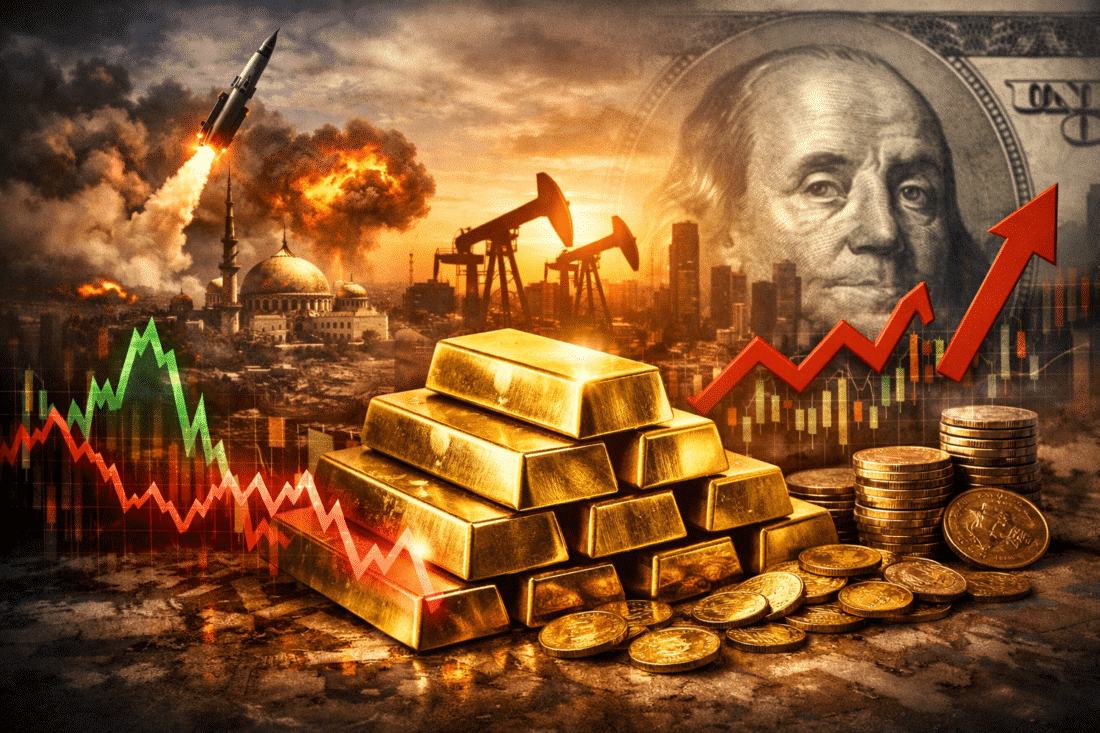
After several weeks of strong gains, gold prices recently pulled back about 3%, ending a five-week winning streak.
For some investors, that raised a simple question:
Is gold losing momentum?
According to Bob Savage, head market strategist at BNY, the drop wasn’t necessarily about gold losing its long-term appeal.
Instead, it may reflect something deeper happening across global markets.
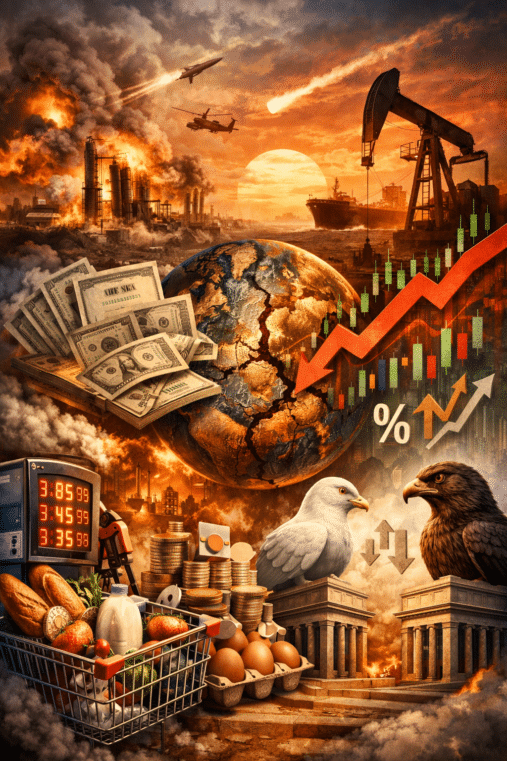
Investors are increasingly nervous about energy-driven inflation shocks, which could disrupt central bank interest-rate plans around the world.
At the same time:
- The U.S. dollar recently surged
- Oil prices jumped more than 20%
- Natural gas spiked over 50%
Those kinds of moves don’t happen in calm economic conditions.
They tend to happen when something much bigger is brewing.
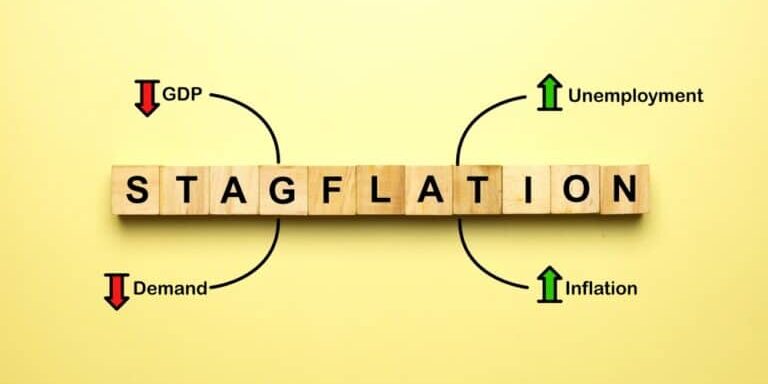
The Word That’s Starting to Return: Stagflation
Savage’s note highlighted a concern that many economists have started whispering again:
stagflation.
If you’ve never lived through it, stagflation is one of the most difficult economic environments to navigate.
It combines three dangerous ingredients:
- Rising prices (inflation)
- Weak economic growth
- High interest rates
For everyday families, that combination can feel like financial quicksand.
Your grocery bill climbs.
Energy costs jump.
But wages and economic growth struggle to keep up.
In other words, the cost of living rises faster than your ability to keep up with it.
Many readers who remember the 1970s know exactly what that feels like.
And during that era, something very interesting happened.
Gold exploded higher.
Why Energy Prices Matter So Much
One of the key points Savage made is that oil acts as a transmission channel into inflation.
That’s analyst language for something pretty simple.
When energy prices rise, they affect almost everything.
Think about it.
Energy impacts:
- transportation
- manufacturing
- agriculture
- heating
- electricity
When oil and natural gas spike, the ripple effect flows through the entire economy.
That’s why central banks watch energy markets so closely.
And right now, energy prices are moving fast.
Oil climbing 20% and natural gas jumping 50% in a short period can quickly shift inflation expectations.
If inflation begins rising again, central banks may be forced to delay interest rate cuts — or even consider tightening again.
That creates uncertainty across financial markets.
Why Gold’s Pullback May Actually Be a Signal
Savage also pointed out something interesting.
Despite all these inflation risks, investors may not yet be fully positioned for a prolonged stagflation environment.
In plain English:
Markets may still be underestimating what could happen next.
Gold has historically acted as a hedge during stagflation because it:
- holds value when currencies weaken
- tends to perform well during inflation shocks
- operates outside the traditional banking system
But markets rarely move in straight lines.
Even during major gold bull markets, short-term pullbacks are common.
Sometimes those pauses happen right before the next big move higher.
The Dollar’s Role in Gold’s Short-Term Moves
Another factor behind gold’s recent dip was the strengthening U.S. dollar.
The dollar jumped 1.7% in a single week, one of its largest moves in years.
Gold and the dollar often move in opposite directions.
When the dollar strengthens, gold prices can temporarily soften because gold is priced globally in dollars.
But here’s the key point many investors miss.
Short-term currency moves don’t change the long-term structural pressures building in the financial system.
Those pressures include:
- massive government debt
- persistent inflation risks
- geopolitical tensions
- global energy volatility
All of those forces can influence precious metals markets over time.
What Investors May Be Missing
One of the most interesting takeaways from this report is the idea that investors may not yet be fully positioned for stagflation.
Markets often prepare for one scenario — and then something completely different happens.
For the past year, many investors assumed inflation would cool and central banks would begin cutting rates.
But if energy-driven inflation reappears, those assumptions could change quickly.
That’s why seasoned investors often keep some exposure to assets that historically perform well during uncertain monetary environments.
Gold and silver have filled that role for centuries.
Not because they’re perfect investments.
But because they offer a form of financial insurance when monetary systems come under pressure.
The Bigger Picture
When you step back and look at the bigger picture, several powerful forces are developing at the same time:
- rising global debt levels
- geopolitical tensions
- energy market volatility
- shifting central bank policy
Each of those forces can influence currencies and inflation expectations.
And when confidence in fiat currencies begins to wobble, investors historically look for alternatives.
Gold has often been one of those alternatives.
Join the Inner Circle for Deeper Analysis
If you want to stay ahead of these global financial shifts — and understand how they may affect your wealth, your savings, and your retirement security — I encourage you to stay connected.
Inside the Inner Circle, we break down the most important economic developments shaping the future of money and help investors make sense of them.
Because when the word stagflation starts appearing in serious market discussions again…
It’s usually a signal that the financial environment may be about to change.