The Strait That Feeds the World: How One Chokepoint Could Trigger the Next Global Food Shock

The Fragile Backbone of Modern Agriculture
Here’s a reality most people never hear about:
Roughly half of all food produced on Earth exists because of synthetic fertilizer.
Without it, global crop yields collapse.
That isn’t speculation. It’s chemistry.

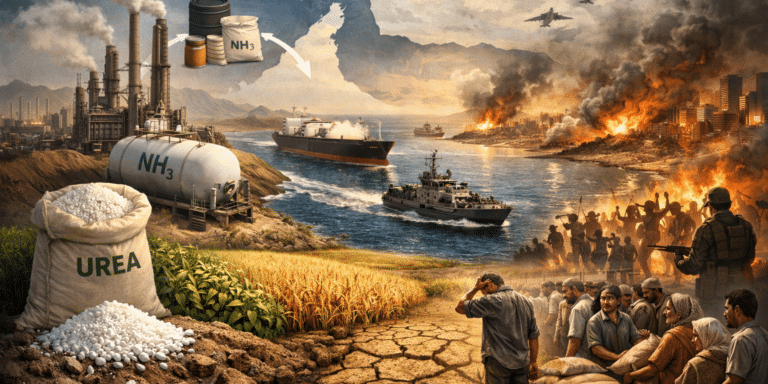
Modern agriculture depends on nitrogen fertilizers produced through the Haber–Bosch process, which takes nitrogen from the air and combines it with hydrogen—usually derived from natural gas—to create ammonia. That ammonia becomes the backbone of fertilizers like urea and ammonium nitrate.
No ammonia.
No fertilizer.
No fertilizer?
Crop yields drop dramatically.
This isn’t some fringe concern. Agricultural economists have warned for decades that the modern food system is built on a handful of critical inputs—energy, fertilizer, and logistics.
And right now, one of those logistics arteries is under serious pressure.
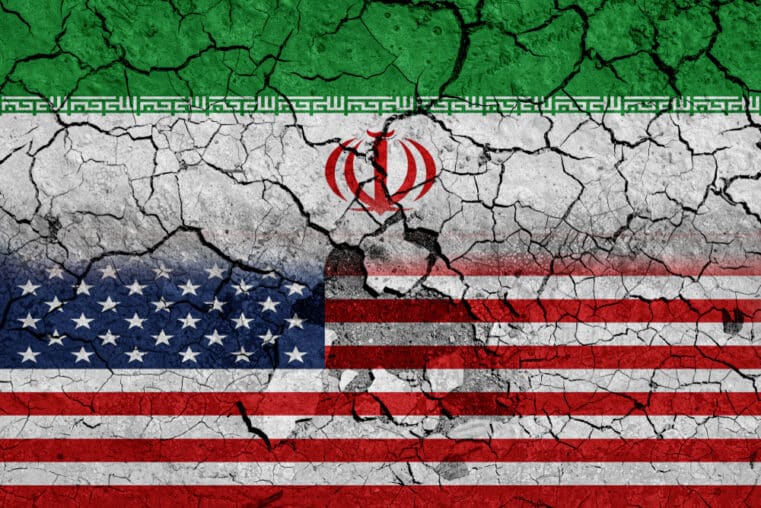
The Strait of Hormuz: The World’s Most Dangerous Supply Chokepoint
If you look at a map of global shipping routes, one passage stands out like a pressure valve on the world economy: the Strait of Hormuz.
This narrow waterway between Iran and Oman connects the Persian Gulf to the open ocean.
Every year it carries enormous volumes of:
- crude oil
- liquefied natural gas
- petrochemicals
- and crucially… fertilizer exports
Countries like Qatar, Saudi Arabia, the UAE, and Iran are major producers of nitrogen fertilizers. A massive share of those exports must pass through this single maritime corridor.
Estimates suggest close to one-quarter of globally traded nitrogen fertilizer moves through this strait.
Think about that for a second.
A single geopolitical flashpoint sitting between global agriculture and the nutrients crops need to grow.
That’s not resilience.
That’s a vulnerability.
When Fertilizer Stops Moving, Food Production Follows
The timing of disruptions like this couldn’t be worse.
Farmers across the Northern Hemisphere are entering planting season. That means fertilizer demand is already peaking.
If supply gets squeezed now, farmers face three ugly choices:
- Pay dramatically higher prices
- Use less fertilizer
- Delay planting or switch crops
None of those outcomes are good.
Lower fertilizer application typically leads to lower yields, especially for nitrogen-hungry crops like corn and wheat.
And the math is brutal.
Even a small drop in yields across major grain regions can remove millions of tons of food from global markets.
That’s when prices begin to climb.
Then volatility spreads through commodity markets.
Then food-importing countries start scrambling for supply.
We’ve seen this movie before.
The Energy–Food Connection Most People Ignore
There’s another layer to this problem that rarely makes headlines.
Fertilizer production isn’t just about mining minerals or mixing chemicals.
It’s deeply tied to energy markets, especially natural gas.
Natural gas is the primary feedstock used to produce ammonia. When gas prices surge, fertilizer production becomes more expensive or even temporarily shuts down.
This is exactly what happened in parts of Europe during the 2022 energy crisis.
Factories slowed.
Supply tightened.
Prices surged.
And farmers everywhere paid the price.
Now add a major disruption to shipping routes in the Middle East—the same region responsible for huge fertilizer exports—and you’ve got a system under stress from multiple angles.
Price Spikes Are Already Showing Up
Markets move fast when traders sense scarcity.
Recent reports show fertilizer prices already jumping sharply, with urea prices rising significantly in key trading hubs.
When fertilizer gets expensive, farmers face margin pressure.
Large industrial farms might absorb it.
But smaller farmers—especially in developing countries—often cannot.
That’s where the real danger emerges.
Food shortages rarely start in wealthy nations.
They start in fragile economies that depend on imports.
Why Food Crises Hit the Poor First
Countries across parts of Africa, the Middle East, and Asia already struggle with food security.
Many rely heavily on imported grain.
If fertilizer shortages reduce harvests in major exporting countries, those import-dependent nations are the first to feel the squeeze.
That’s how localized disruptions turn into regional crises.
History is full of examples:
- The 2008 global food crisis
- The Arab Spring unrest
- Grain shortages following major geopolitical conflicts
Food isn’t just nutrition.
It’s political stability.
And when prices spike, the ripple effects can be enormous.
The Real Problem: A Hyper-Centralized Global Food System
The deeper issue here isn’t just the Strait of Hormuz.
It’s the fragility of a hyper-centralized global supply system.
Modern agriculture depends on:
- a few fertilizer producers
- a few major shipping lanes
- a few energy sources
- a few grain-exporting nations
When everything works, the system is incredibly efficient.
But when something breaks?
The ripple effects move fast.
One chokepoint.
One disruption.
One unexpected conflict.
And suddenly the entire supply chain starts wobbling.
Why You’re Hearing Almost Nothing About This
Despite the scale of these risks, most people hear very little about them.
Coverage tends to focus on short-term market moves—oil prices, shipping delays, commodity spikes.
But the bigger story is structural.
The world’s food system has been engineered for efficiency, not resilience.
And that means every so often, the system reveals just how fragile it really is.
The Bottom Line
Right now we’re watching a critical piece of the global supply chain come under pressure.
If fertilizer shipments through the Strait of Hormuz remain disrupted for long, the consequences could ripple through:
- fertilizer markets
- crop production
- food prices
- and global stability
That doesn’t mean famine is guaranteed.
But it does mean the margin for error is shrinking.
And when essential systems become this interconnected, even a small shock can echo far beyond where it started.
Don’t Ignore the Bigger Picture
Food supply disruptions are only one part of a much larger shift happening across the global financial and economic system.
While supply chains tighten and governments scramble to manage inflation and shortages, major changes to the financial infrastructure are quietly moving forward in the background.
That’s why understanding what’s coming next isn’t optional anymore.
If you want a clear breakdown of how the financial system is evolving—and what it could mean for your financial freedom—you need to read the Digital Dollar Reset Guide by Bill Brocius.
It explains the warning signs, the risks of programmable money, and what individuals can do now to stay ahead of the changes already underway.
Consider it required intelligence for anyone who refuses to be caught off guard as the financial system enters its next phase.