
Your Identity Is for Sale: The Darknet Is Booming—and Corporate America Handed It the Keys

The Darknet Isn’t Shrinking. It’s Growing.
Law enforcement agencies across the globe are celebrating arrests. Marketplaces shut down. Hundreds detained. Tons of drugs seized.
And yet—Tor traffic is rising. Millions log in daily. New marketplaces replace the old ones almost overnight.
That’s the uncomfortable truth:

You can arrest dealers.
You can seize servers.
You can sentence offenders.
But you cannot shut down demand.
The darknet is resilient because the system feeding it is massive.
Why Your Personal Data Is Floating in Criminal Marketplaces
Here’s the part that should concern every American.
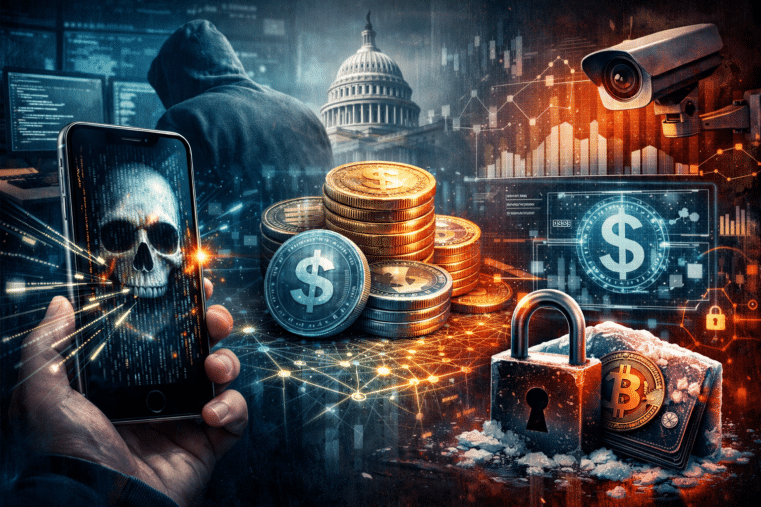
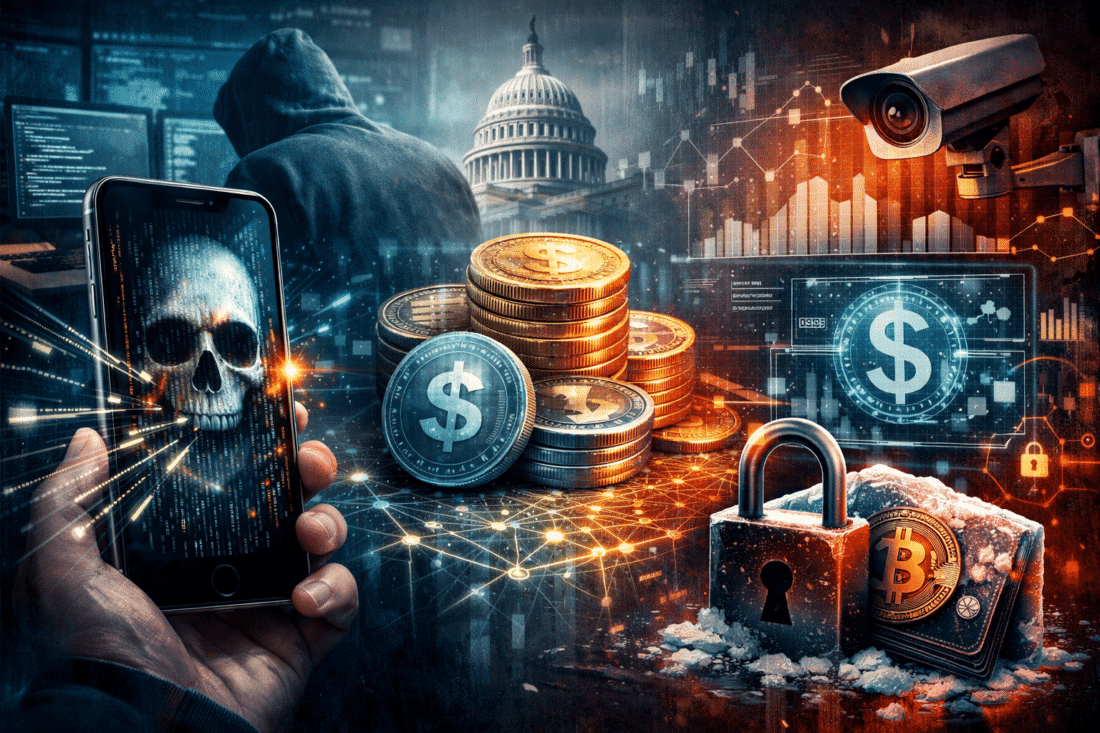
Experts admit that millions of megabytes of personal data are circulating on the darknet. Names. Passwords. Social Security numbers. Bank logins. Crypto wallets.
Where did it come from?
Not from hackers magically guessing your password.
It came from:
- Corporate data breaches
- Healthcare systems
- Retail giants
- Financial institutions
- Government databases
Every month it’s the same headline. Another breach. Another apology. Another “we take your privacy seriously.”
And then your information is bundled, packaged, and resold like a commodity.
Because that’s what it has become.
A commodity.
The Corporate Negligence No One Wants to Talk About
Notice what’s missing from the mainstream narrative.
Plenty of talk about criminals.
Plenty of talk about drugs.
Plenty of talk about “cyber gangs.”
But not nearly enough scrutiny of:
- Why corporations keep losing your data.
- Why centralized databases keep getting hacked.
- Why penalties for negligence are so weak.
When companies collect oceans of data to monetize your behavior, they create honey pots. Massive targets. And when those honey pots are breached, it’s not executives who suffer.
It’s you.
Frozen bank accounts.
Ruined credit scores.
Ransomware attacks on small businesses.
And the data never truly disappears.
It lives forever in digital back alleys.
The Darknet Is Just a Tool—But Tools Reflect the System Around Them
The article makes a fair point: the darknet itself is a tool.
Yes, criminals use it.
Yes, drug dealers use it.
Yes, ransomware gangs use it.
But journalists in oppressive regimes use it too. Dissidents use it. Whistleblowers use it.
The real issue isn’t simply the existence of anonymity.
The real issue is this:
When you centralize power and data, you create irresistible targets.
We have built an economy where:
- Everything is digital.
- Everything is tracked.
- Everything is stored.
- Everything is monetized.
And then we act shocked when it’s stolen.
“Just Ban Tor” Isn’t a Serious Solution
Some argue we should just block Tor.
China tried. It didn’t work.
There is no “kill switch.” Shut down one node and another appears. Shut down one marketplace and a backup spins up within hours.
This is the reality of decentralized technology.
And here’s the deeper lesson:
If a technology exists because people demand it, governments rarely eliminate it. They adapt to it. They infiltrate it. They monitor it.
That reality cuts both ways.
The Fentanyl Pipeline and the Human Cost
The article highlights tragic cases of fentanyl purchased through darknet marketplaces.
That’s real. It’s devastating. Families are shattered.
But we should ask harder questions:
- Why is fentanyl flooding this country in the first place?
- Why are counterfeit pills easier to obtain than meaningful treatment?
- Why does enforcement always feel reactive instead of preventative?
The darknet didn’t create America’s drug crisis.
It exploited it.
The Generation That’s Given Up on Privacy
Perhaps the most disturbing takeaway is cultural.
Older Americans are shocked by the amount of personal data online.
Younger Americans? Many feel resignation.
They grew up in the breach era. Data leaks feel inevitable.
That resignation is dangerous.
Because when citizens accept that privacy is dead, power concentrates quietly. Surveillance expands quietly. Digital financial systems tighten quietly.
And resistance fades.
The Coming Collision: Data, Digital Currency, and Control
Now let’s connect the dots.
If:
- Your data is constantly exposed,
- Financial systems are fully digital,
- Payments are increasingly centralized,
- And everything runs through networked infrastructure…
Then your financial life becomes fragile.
One breach.
One ransomware event.
One system freeze.
And access disappears.
This isn’t alarmism. It’s structural risk.
The more centralized the system, the greater the impact of failure.
The same architecture that allows convenience also allows mass compromise.
That’s not conspiracy. That’s math.
The Darknet Is a Symptom, Not the Disease
The article is correct on one key point: even if Tor vanished tomorrow, something else would replace it.
Because the root drivers remain:
- Demand for drugs.
- Demand for stolen data.
- Demand for anonymity.
- Massive centralized databases waiting to be breached.
We cannot arrest our way out of structural vulnerabilities.
We must reduce the vulnerabilities themselves.
What This Means for You
This isn’t about paranoia.
It’s about preparation.
Assume:
- Your data has been exposed at least once.
- Your information is being aggregated somewhere.
- Your financial systems are more fragile than advertised.
And act accordingly.
Diversify.
Reduce digital exposure where possible.
Strengthen your personal cybersecurity habits.
Be cautious about how much data you surrender for convenience.
Freedom requires vigilance.
Always has.
Final Word: Protect Yourself Before the System Fails You
The darknet isn’t disappearing. Corporate breaches aren’t slowing down. Digital infrastructure isn’t getting simpler.
The question isn’t whether the system is vulnerable.
It is.
The question is whether you are prepared.
If you’re serious about protecting your financial future in an era of digital fragility, start by educating yourself.
For deeper analysis and ongoing strategies, join the Inner Circle, currently offered at a special rate.
Because in a world where your identity can be bought and sold, preparation isn’t optional.
It’s survival.