
Argentina Is Looking To Increase Yuan Swap With China

EDITOR'S NOTE: Argentina is famous for its endless cycle of political and economic instabilities often leading to a deafening feedback loop of financial crises. The article you’re about to read delves into Argentina’s agreement with China, specifically a currency swap which may buffer its reserves just in time for a $700 million interest payment to the International Monetary Fund (IMF). Facing these options—economic collapse, indebtedness to the IMF, and to China—Argentina doesn’t seem any closer to breaking its penchant for fiscal and monetary irresponsibility. We may not find ourselves in the same position, but we can be critical of our own monetary and fiscal failures. Judging from the direction in which the current economic, political, and geopolitical winds are blowing, America doesn’t seem too far off from the risk of collapse itself; one leading to major dethronement on the global stage.
(Bloomberg) -- Argentina’s government is asking China for an expansion of its bilateral currency swap in yuan as it seeks to strengthen reserves ahead of payments due to the International Monetary Fund, people familiar with the request said.
Most Read from Bloomberg
-
A Nor’easter Approaching New York Risks Becoming a Bomb Cyclone
-
Mark Zuckerberg’s Stablecoin Ambitions Unravel With Diem Sale Talks
-
Stock Rebound Fails and Futures Plunge on Earnings: Markets Wrap
-
Astronomers Spot Never-Before Seen Object at 4,000 Light-Years Away
-
Stocks Pare Gains, Dollar Rises, Bonds Sink on Fed: Markets Wrap
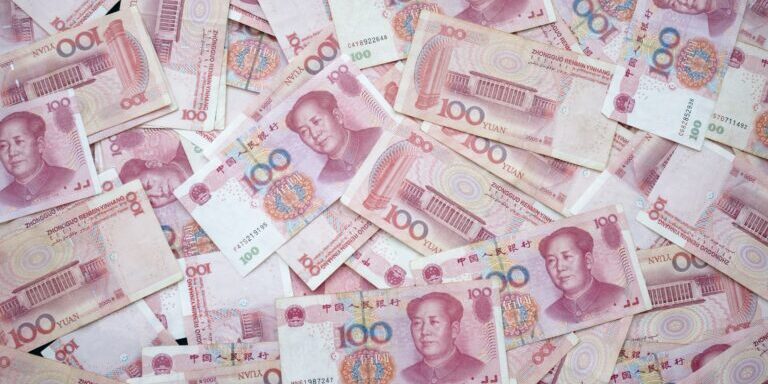
South America’s second-largest economy is looking to ask China to increase its 130 billion yuan swap ($20.6 billion) by an additional 20 billion yuan, according to a person with knowledge of the matter, who asked not to be named because the discussions are private. Argentina has already requested the increase and the topic will be discussed next week in Beijing with Chinese President Xi Jinping when President Alberto Fernandez travels there for the Winter Olympics, a second person said.

Expanding the swap, which was originally agreed to in 2009, would allow Argentina to bolster its international reserves at a time when negotiations with the IMF to refinance over $40 billion from an outstanding loan have stalled.
The crisis-prone country has over $4 billion due to the lender in the first quarter, including interest and principal payments, and net reserves stand at just $1.8 billion, according to estimates by Buenos Aires-based consulting firm Anker Latinoamerica.
Why Argentina, IMF Are Wrestling Over Bad Debt, Again: QuickTake
Argentina’s presidential office declined to comment. A central bank spokesperson said that the organization is constantly talking to peers, declining to comment further. The Economy Ministry’s press office didn’t immediately reply to a request for comment.
The China swap, which was most recently renewed in 2019, currently represents more than half of the total stock of Argentina’s gross reserves. The swap is an agreement between both central banks, by which the People’s Bank of China has an account in renminbi at the Argentine central bank, and the latter has an account in pesos based in China. The banks have the option of drawing that money for eventual needs, and if they use it must return it with interest to the counterpart.
An interest payment to the IMF for over $700 million is due before the end of the month, according to data from the budget office of the Argentine congress. Fernandez has said the government can’t pay with international reserves at razor-thin levels.
Read More: ‘Pragmatic’ IMF Hopes for Progress Soon in Talks With Argentina
Most Read from Bloomberg Businessweek
-
Market Turmoil Is Ultimate Test of What’s Real and What’s Not
-
What Happens When Russian Hackers Come for the Electrical Grid
-
The Charismatic Developer and the Ponzi Scheme That Suckered San Diego
©2022 Bloomberg L.P.
Originally posted on Yahoo Finance.