
BRICS Warships Signal a Power Shift the West Can’t Ignore

BRICS Is Testing the Waters — Literally
When warships from China, Russia, Iran, and the UAE gathered off South Africa’s coast for “Will for Peace 2026,” it marked something new.
This was not just diplomatic theater.
It was operational coordination.
For years, BRICS focused on economics — development banks, trade settlements, de-dollarization rhetoric. Now we are seeing military signaling layered on top of financial ambition.

That matters.
Security and finance are not separate lanes. They move together. Nations that protect trade routes influence trade flows. Nations that influence trade flows shape currency systems.
You cannot talk about de-dollarization without talking about power projection.
China Steps Into the Driver’s Seat
One detail stands above the rest: China led the exercise.
Beijing handled planning. Coordination. Command and control.
That is not symbolic. That is structural.
If BRICS evolves beyond an economic forum, China appears ready to be its organizing force. And that aligns with broader trends: expanded PLA Navy port calls in Africa, military education partnerships, and deeper strategic ties across the Global South.
This is not accidental. It is methodical.
For American readers, the question is not whether China is expanding influence. It is whether Washington understands the pace and scale of that expansion.
The Fractures Are Real
But let’s not exaggerate unity where it doesn’t exist.
India and Brazil stayed out of the naval drill. That is significant. India, in particular, walks a careful line between BRICS cooperation and strategic ties with the United States.
And analysts are correct to point out that BRICS has no formal military framework. It is not NATO. There is no treaty-based command structure.
Then there’s the South African controversy — a reported presidential order excluding Iranian participation that was allegedly ignored. If accurate, that raises questions about civilian oversight and internal coherence.
So yes, ambition is rising.
But cohesion is not guaranteed.
BRICS is growing — but it is not seamless.
Why This Matters to Americans
Some will dismiss this as distant geopolitics. A regional exercise. Nothing more.
That’s shortsighted.
Global power rests on three pillars:
- Trade
- Security
- Currency
For decades, the United States anchored all three. The dollar dominated global trade. The U.S. Navy secured sea lanes. American institutions shaped financial rules.
Now we see alternative frameworks emerging — some economic, some strategic, some experimental.
Does that mean the dollar collapses tomorrow? No.
Does it mean American power vanishes overnight? No.
But it does mean competition is no longer theoretical.
If alternative blocs coordinate security alongside financial initiatives, the long-term balance shifts. Gradually. Quietly. Then suddenly.
The Dollar Question
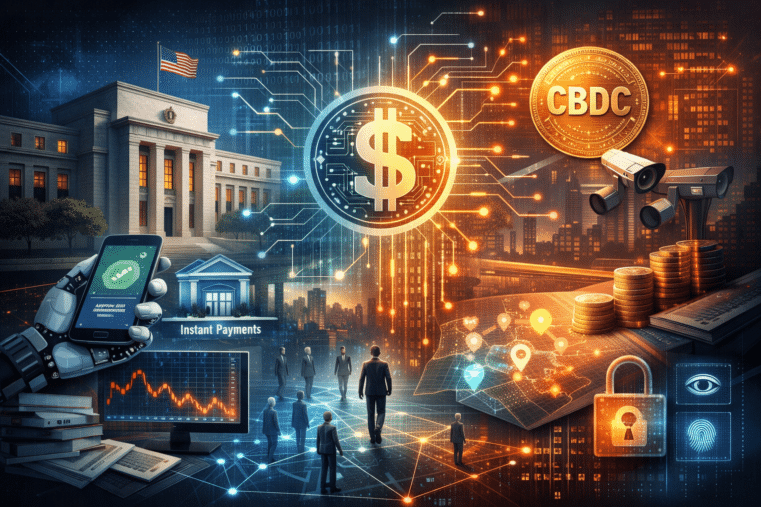
BRICS nations have openly discussed alternatives to dollar settlement systems. At the same time, the United States is exploring expanded digital payment infrastructure and faster settlement rails at home.
These developments are often discussed separately. They shouldn’t be.
Financial architecture is national power. Whoever sets the rails influences the rules.
Americans should be asking:
- How resilient is our monetary system?
- How transparent are emerging digital frameworks?
- Are we strengthening economic freedom — or centralizing more control?
These are not partisan questions. They are sovereignty questions.
A Multipolar World Is Taking Shape
The real takeaway is this:
BRICS is not unified enough to rival NATO today.
But it is unified enough to test new models.
China is positioning itself as a central node.
India is hedging.
Brazil is cautious.
South Africa is navigating internal tensions.
This is not a finished alliance. It is an evolving one.
And evolution matters.
The United States remains powerful — militarily, financially, institutionally. But power requires vigilance. It requires clear strategy. It requires citizens who understand global shifts rather than dismiss them.
Ignoring change does not stop change.
My Response: Watch the Structure, Not the Slogans
The loudest headlines will frame this as either:
- “The End of Western Dominance”
or - “A Meaningless Photo Op”
Both extremes miss the point.
The smarter move is to watch the structure.
Who coordinates?
Who funds?
Who trains?
Who sets standards?
Power accumulates through systems, not speeches.
Americans should demand transparency in our own institutions while paying close attention to how emerging blocs structure theirs.
Strength abroad begins with clarity at home.
Stay Informed. Stay Prepared.
The global landscape is shifting. Slowly in some places. Rapidly in others.
If you want deeper analysis on de-dollarization, digital finance, geopolitical realignments, and what they mean for everyday Americans, join us inside the Inner Circle.
Independent analysis. No corporate filters. No institutional talking points.
Right now, you can secure your discounted membership for just $19.95 per month.
The world is changing.
Make sure you understand how — and why.