MORTGAGE SHOCK: WAR, INFLATION, AND THE SQUEEZE ON THE AMERICAN DREAM

The Rate Spike Nobody Can Ignore
The numbers don’t lie. The average 30-year fixed mortgage just climbed to 6.38%, up sharply in a single week. That’s not a small move. That’s a gut punch.
For working families, it means one thing:
Higher monthly payments. Fewer options. Dreams delayed.
And while headlines point to conflict in Iran and “market volatility,” the real story runs deeper.

War Abroad, Pain at Home
When conflict erupts overseas, Americans feel it at the gas pump—and now, at the closing table.
Oil prices rise. Inflation fears spread. Investors panic.
That panic pushes up Treasury yields.
And mortgage rates follow right behind.
It’s a chain reaction. A predictable one.
But here’s the question nobody in the mainstream wants to ask:
Why does every global crisis seem to land squarely on the backs of American families?
The Bond Market Is Calling the Shots
Mortgage rates don’t move in a vacuum. They track the 10-year Treasury yield, which is climbing fast.
Why? Because investors are demanding higher returns to offset inflation risk.
Translation:
The dollar is losing value. And lenders want compensation.
So they raise rates. Again and again.
Meanwhile, first-time buyers get pushed out.
Refinancing dries up.
And the housing market tightens like a vise.
Inflation: The Silent Tax Crushing the Middle Class
Let’s cut through the noise.
When experts say “inflation expectations,” what they really mean is this:
Your money buys less tomorrow than it does today.
Energy costs rise → Goods cost more → Borrowing gets expensive.
It’s all connected.
And it hits hardest where it matters most—housing.
Because when mortgage rates rise, affordability collapses.
A home that was within reach last year? Now it’s out of range.
That’s not just economics.
That’s a system under strain.
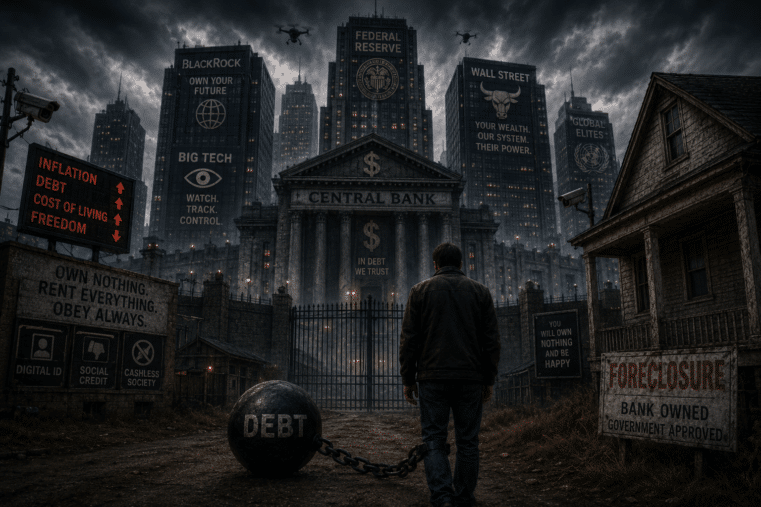
Wall Street vs. Main Street—Again
While everyday buyers struggle, large investors are still in the game.
They have cash. They have leverage. They have access.
Main Street?
They get higher rates, tighter lending, and fewer opportunities.
It’s the same pattern we’ve seen before.
Consolidation at the top. Pressure at the bottom.
The Bigger Picture No One Wants to Talk About
This isn’t just about one rate hike.
It’s about a system where:
- Global instability drives domestic costs
- Inflation quietly erodes purchasing power
- Financial markets dictate everyday life
And the average American is left reacting instead of preparing.
That’s the real risk.
Not just higher rates—but less control over your financial future.
What Comes Next?
If energy prices stay high, rates could climb further.
If inflation sticks, borrowing gets even tighter.
And if that happens, the housing market doesn’t just slow—it locks out an entire generation.
That’s not speculation.
That’s the trajectory.
Final Word: Don’t Wait for the System to Fix Itself
The warning signs are here.
Rising rates. Global instability. Economic pressure building.
You can ignore it.
Or you can prepare for it.
Because the truth is simple:
No one is coming to protect your financial future.
Take Action Now
If you’re serious about protecting your wealth and staying ahead of what’s coming, you need a plan.
Join the Inner Circle today for exclusive insights, strategies, and real-world guidance designed for Americans who refuse to get left behind.
Stay informed. Stay prepared. Stay in control.