Economic Defiance: BRICS Nations Ditch Dollar 90% From Trade

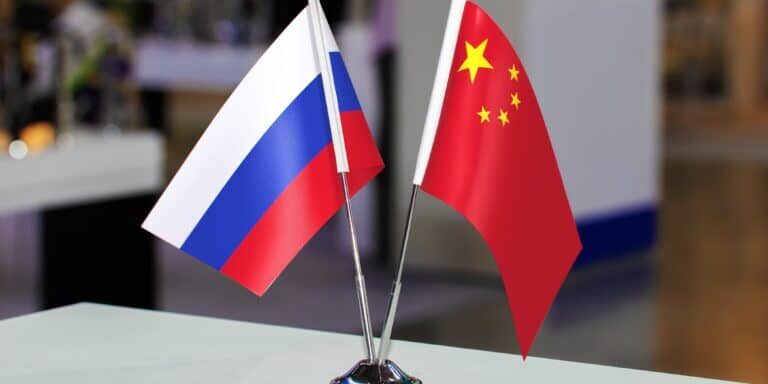
The abandonment of the greenback in these trade dealings has been a continued goal for the economic alliance. Now, more than 90% of the nation’s bilateral trade dealings are settled in either the yuan or ruble. Subsequently, the two countries are now set to continue those efforts that have heeded monumental results.
Russia and China have almost completely eliminated the US Dollar in bilateral trade. pic.twitter.com/XDoaTg3fOE
— BRICS News (@BRICSinfo) April 22, 2024
Russia and China Abandon US Dollar in All Bilateral Trade
Throughout the last several years, the BRICS economic alliance has held firm to the hope for de-dollarization in the global south. It has opted to embrace national currency promotion in the hope of lessening Western dominance over global economics. Just four months into 2024, and that goal has taken substantial strides.

Now, amid the BRICS alliance flourishment, Russia and China have announced they have almost completely ditched the US Dollar in bilateral trade. Indeed, Russia’s Foreign Minister discussed the feat with the TASS news agency. Additionally, the cooperation in economics is only set to magnify.
Throughout 2023, trade between the two nations had only increased. Specifically, transactions between the two had reached a record $240 billion, increasing 26%. Alternatively, trade dealings between the United States and Russia had reached a 30-year low.
This undoubtedly stems from Russian sanctions employed following the latter’s invasion of Ukraine. Indeed, the weaponization of the US dollar was the premiere catalyst to birth these de-dollarization efforts. Furthermore, it has evolved into a key pillar of the BRICS infrastructure.
This development will certainly also be beneficial to both the ruble and the yuan. Moreover, it should set a precedent for increased prominence of national currency usage as a byproduct of de-dollarization. It will be interesting to see how this could influence further action from other BRICS participating members.
This article originally appeared on Watcher.Guru