FedNow Shock Warning: Powell Admits Energy Crisis Could Ignite Digital Dollar Control and Financial Surveillance Surge

A Third Shock to an Already Fragile System
Federal Reserve Chair Jerome Powell has now openly acknowledged what seasoned market observers have been tracking: the U.S. economy is being hit by a third major supply shock in just a few years.
First came the pandemic.
Then tariffs and trade distortions.
Now—an energy supply shock tied to Middle East conflict.
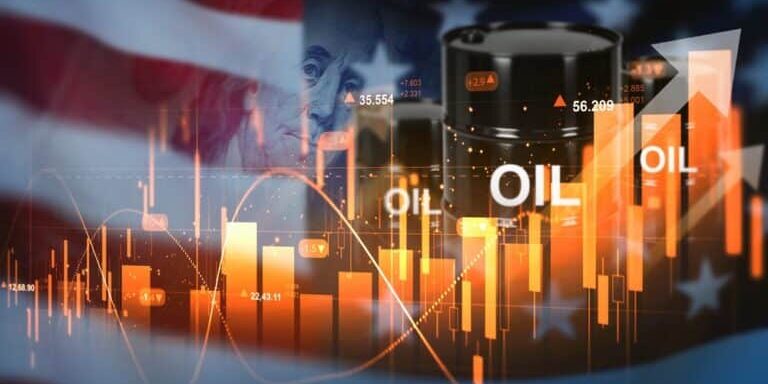
Oil prices have surged dramatically, with West Texas Intermediate jumping from the $60–$70 range to over $100 per barrel in a matter of weeks. Brent crude is pushing toward $120. At the consumer level, gas prices have spiked 34% in a single month, climbing from $2.98 to $3.99 per gallon.

Powell’s response? “No one knows how big it will be.”
That uncertainty is exactly what should concern you.
Inflation Isn’t Beaten—It’s Being Reignited
The Federal Reserve has spent the last two years insisting inflation was “cooling.” But even Powell admitted inflation never truly returned to target.
By his own numbers:
- Inflation hovered around 3%
- A portion was attributed to tariffs
- The rest? Structural pressures that never went away
Now add a full-scale energy shock to the equation.
Energy is the foundation of everything—transportation, manufacturing, food production. When oil spikes, inflation doesn’t just rise—it cascades through the entire economy.
This isn’t a temporary bump. It’s a systemic reacceleration.
And history is clear: once inflation resurges after partial stabilization, it becomes far harder to control.
The Fed’s “Wait and See” Strategy Is a Dangerous Gamble
Powell claims the Fed is in a “good position” to wait and respond.
That sounds measured. Responsible, even.
But in reality, it signals something more troubling: the Fed is reactive, not in control.
They are boxed in:
- Raise rates → risk economic contraction or debt instability
- Cut rates → fuel even higher inflation
So they wait.
Markets are already pricing in an 80% chance that rates won’t change this year, which effectively means policymakers are choosing inaction during a rapidly evolving crisis.
This is how systemic risks compound.
Energy Shock Meets Digital Financial Infrastructure
Now step back and look at the bigger picture.
At the same time:
- Energy prices surge
- Inflation pressures rebuild
- Economic uncertainty rises
…the financial system is undergoing a quiet but profound transformation.
The rollout of the FedNow payment system has already laid the groundwork for:
- Real-time transaction monitoring
- Instant settlement and control mechanisms
- Infrastructure compatible with a central bank digital currency (CBDC)
This is not speculation—it’s structural alignment.
Crises like energy shocks create the perfect environment to justify:
- More centralized financial oversight
- Expanded government intervention
- Accelerated adoption of digital currency systems
Because when instability rises, the public is more willing to accept control in exchange for “stability.”
The Real Risk: Programmable Money and Financial Surveillance
If this trajectory continues, the next phase isn’t just inflation—it’s transformation.
A CBDC-enabled system introduces:
- Programmable money (where funds can be restricted or directed)
- Transaction-level surveillance
- Potential for capital controls during crises
Combine that with economic shocks, and you have a powerful mechanism for managing behavior through financial access.
This is how financial autonomy erodes—not overnight, but step by step, crisis by crisis.
History Shows Where This Leads
We’ve seen variations of this before:
- 1970s oil shocks → stagflation and policy overreach
- 2008 financial crisis → unprecedented central bank expansion
- 2020 pandemic → massive liquidity injections and economic shutdowns
Each crisis expanded the scope of centralized control.
This time, the difference is technological.
The infrastructure now exists to digitize and monitor the entire monetary system in real time.
What This Means for You
Powell says “no one knows” how big this shock will be.
But you don’t need to predict the exact scale to recognize the pattern.
The direction is clear:
- Rising inflation pressures
- Increasing systemic instability
- Expanding centralized financial control
Waiting for certainty is not a strategy.
Positioning yourself outside vulnerable systems is.
That means thinking seriously about:
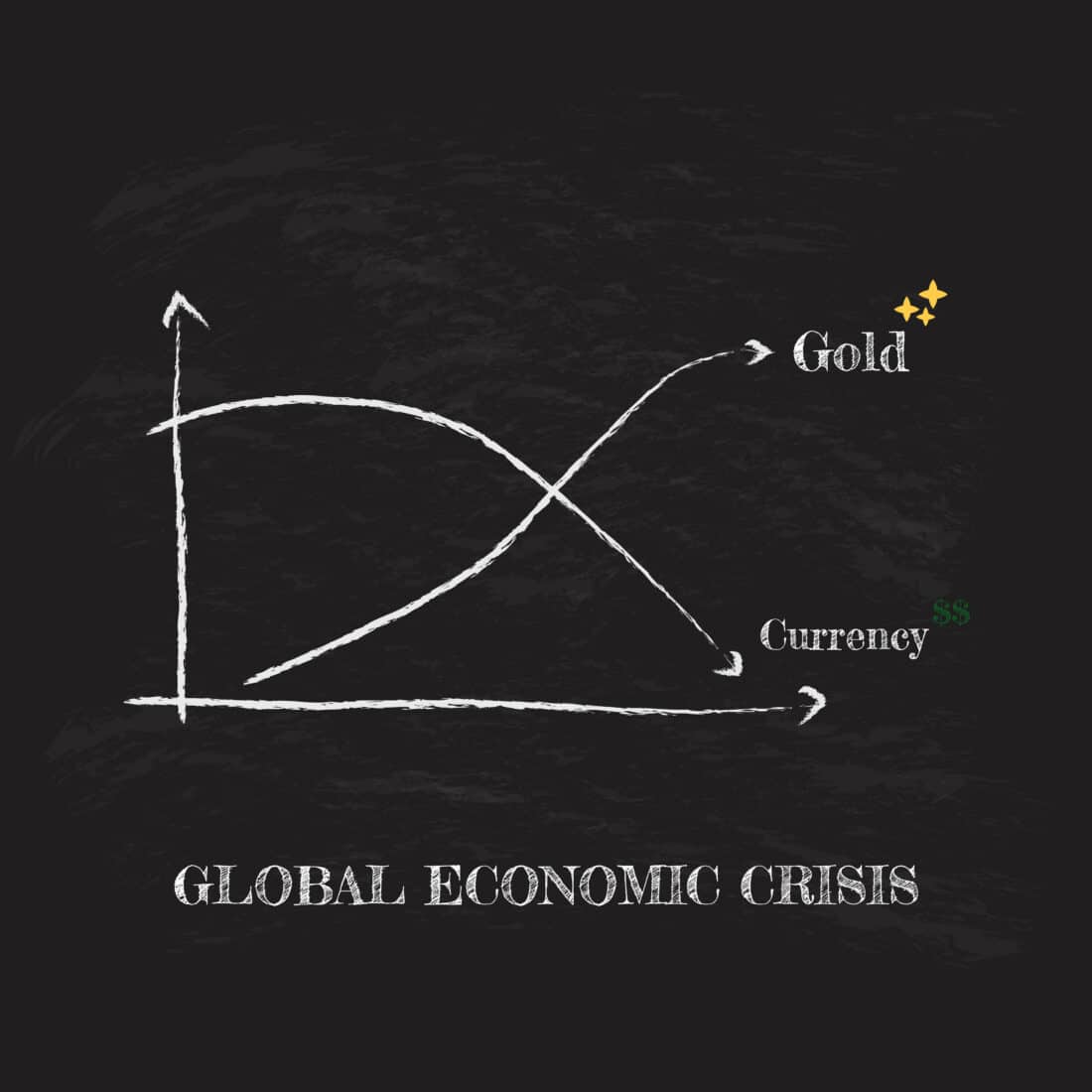
- Hard assets like gold and silver
- Decentralized alternatives
- Reducing reliance on traditional banking channels
Because once control mechanisms are fully in place, opting out becomes exponentially harder.
The Bottom Line
This isn’t just an energy story.
It’s not just an inflation story.
It’s a system stress test—one that is accelerating the shift toward a more controlled, digitized financial future.
Powell may frame it as uncertainty.
But from where I stand, the trajectory is becoming increasingly predictable.
Take Action Before the System Changes the Rules
If you’re seeing the warning signs—energy shocks, persistent inflation, the expansion of FedNow, and the growing push toward a digital dollar—then now is the time to act.
Bill Brocius has laid out exactly what this transformation means and how to prepare for it in his Digital Dollar Reset Guide.
This isn’t theory. It’s a practical roadmap for protecting your financial autonomy in a system that is rapidly moving toward centralized control.
Because once the next phase begins, reacting won’t be enough.