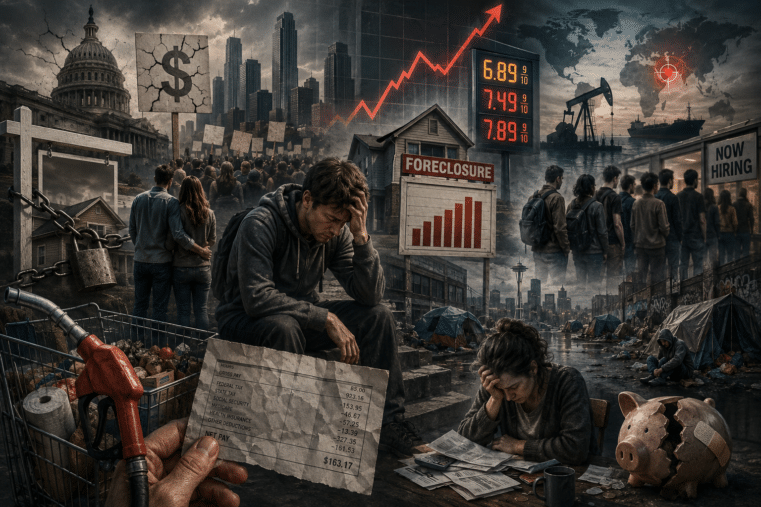
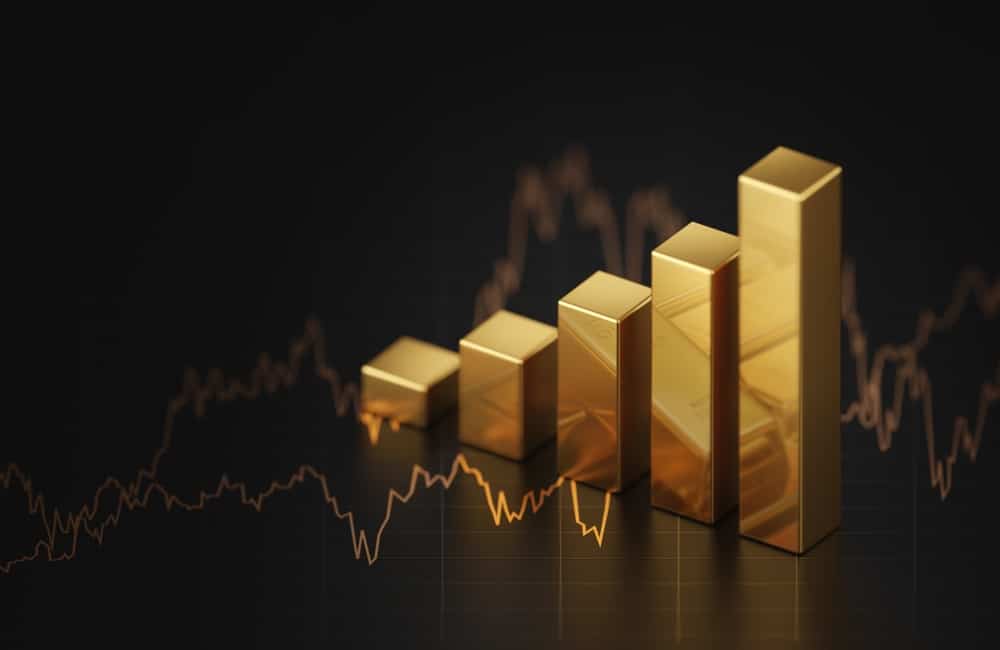
GOLD AT $5,100 AND WAR DRUMS BEATING: THE SYSTEM IS CRACKING FASTER THAN THEY’RE TELLING YOU

Gold Dipped… And Buyers Pounced
Let’s start with what just happened.
Gold slipped below $4,900 earlier in the week. A few years ago, that kind of drop would’ve triggered panic. Instead?
Buyers stepped in like clockwork.

By week’s end, gold was knocking on the door of $5,100 again.
That’s not weakness. That’s strength.
When markets fall hard and bounce harder, it tells you one thing: big money isn’t running away — it’s accumulating.
I’ve been in finance long enough to recognize the pattern. When assets are in a true bubble, dips turn into cascades. When they’re in structural bull markets, dips get bought aggressively.
This looks like the latter.
Wall Street vs. Main Street: Who’s Getting It Right?
The Kitco survey shows something interesting.
- Wall Street analysts: overwhelmingly bullish again.
- Main Street investors: steady, moderate bullishness for three straight weeks.
That consistency from everyday investors matters.
Main Street isn’t chasing hype. They’re responding to something deeper — inflation that won’t die, global instability, and growing distrust in institutions.
Gold doesn’t surge because things are calm.
It rises when confidence in the system starts to crack.
And right now? Confidence is fragile.
Iran Tensions and Safe-Haven Demand
Let’s talk about the elephant in the room: escalating tensions in the Middle East.
Markets don’t like uncertainty. They especially don’t like war risk.
When headlines hint at military escalation, investors look for insurance. Gold has been that insurance for thousands of years.
Here’s what stood out to me:
Even when news temporarily pushed gold lower — like the Supreme Court tariff ruling — the selloff lasted minutes, not days.
That tells me traders are treating pullbacks as opportunities, not warnings.
You don’t see that behavior unless there’s an underlying fear bid in the market.
The Technicals Are Bullish — But That’s Not the Real Story
Analysts are talking about:
- Ascending triangles
- Higher lows
- Resistance around $5,100–$5,140
- Support near $4,850
That’s all fine. Technical patterns matter in the short term.
But here’s what matters more to my readers:
Why are there so many buyers under the surface?
It’s not just chart patterns.
It’s:
- Persistent inflation pressure
- Massive sovereign debt
- Record central bank gold buying
- Geopolitical instability
- Currency debasement
- Growing discussions around digital currency systems
Gold isn’t just trading higher.
It’s being repositioned globally as monetary insurance.
This Isn’t 2011 — It’s Structurally Different
One analyst compared today to 2011, suggesting the bull market may be over.
I respectfully disagree.
Back in 2011:
- Central banks weren’t stockpiling gold at record levels.
- De-dollarization wasn’t openly discussed by global powers.
- Digital currency infrastructure wasn’t being rolled out.
- Government debt levels weren’t this extreme.
Today, we’re in a different environment.
Governments are drowning in debt. Central banks are trapped between inflation and economic slowdown. Political tensions are elevated globally.
Gold at $5,000+ isn’t speculative mania.
It’s a signal of systemic strain.
Why This Matters for Regular Americans
I didn’t grow up around hedge funds. I grew up around hardworking people who counted every dollar.
When inflation rises, it doesn’t hurt billionaires first.
It hurts retirees.
It hurts wage earners.
It hurts families trying to save.
Fiat currency is like a car the second you drive it off the lot — it starts losing value immediately.
Gold is different. It doesn’t rely on a central bank promise. It doesn’t depend on a politician’s policy. It doesn’t require confidence in a digital ledger.
When gold holds $5,000 after that kind of volatility, it tells me people are hedging against something bigger than just next week’s data release.
They’re hedging against systemic instability.
The Psychological Shift Is Already Happening
Here’s what caught my attention most from the interviews:
“Why are you buying gold? Because it’s going higher.”
That kind of momentum psychology can feed itself for a while.
But underneath that momentum is something deeper: trust erosion.
When people stop believing policy makers have control…
When courts, trade policies, and geopolitical risks collide…
When financial markets react violently to headlines…
Gold becomes a vote of no confidence.
And once that psychological shift happens, it’s hard to reverse.
What Happens If Escalation Occurs?
If tensions cool down temporarily, gold might consolidate.
But if escalation occurs?
Markets don’t move in slow, polite increments during crises.
They gap.
The people who benefit aren’t the ones who wait for confirmation after the move.
They’re the ones already positioned.
I’m not predicting war. I’m not predicting collapse.
I’m saying the risk landscape is elevated — and gold’s price action reflects that reality.
My Bottom Line
Gold reclaiming $5,000 and pushing toward $5,100 isn’t just a chart breakout attempt.
It’s a stress signal.
It’s the market saying:
“We’re not comfortable.”
You don’t need to panic.
But you do need to prepare.
In uncertain environments, protecting purchasing power isn’t speculation — it’s prudence.
Gold and silver aren’t about getting rich overnight.
They’re about not getting blindsided.
Join the Inner Circle Before the Next Shock Hits
If you’re reading this, you already know something doesn’t feel right.
Gold holding above $5,000 isn’t random. The geopolitical tension isn’t random. The policy instability isn’t random.
This is exactly why I created the Dedollarize Inner Circle — a private community for serious Americans who want real-time insights, deeper analysis, and actionable strategies to protect their wealth before the crowd catches on.
Inside the Inner Circle, we go beyond headlines. We talk positioning. We talk timing. We talk protection.
If you’re tired of being the last to know and ready to think three steps ahead, this is where you belong.
Don’t wait for the next crisis to test your preparedness.
Get inside. Stay ahead.