Gold Stuck in the $2500 Trap: Can It Break Free?

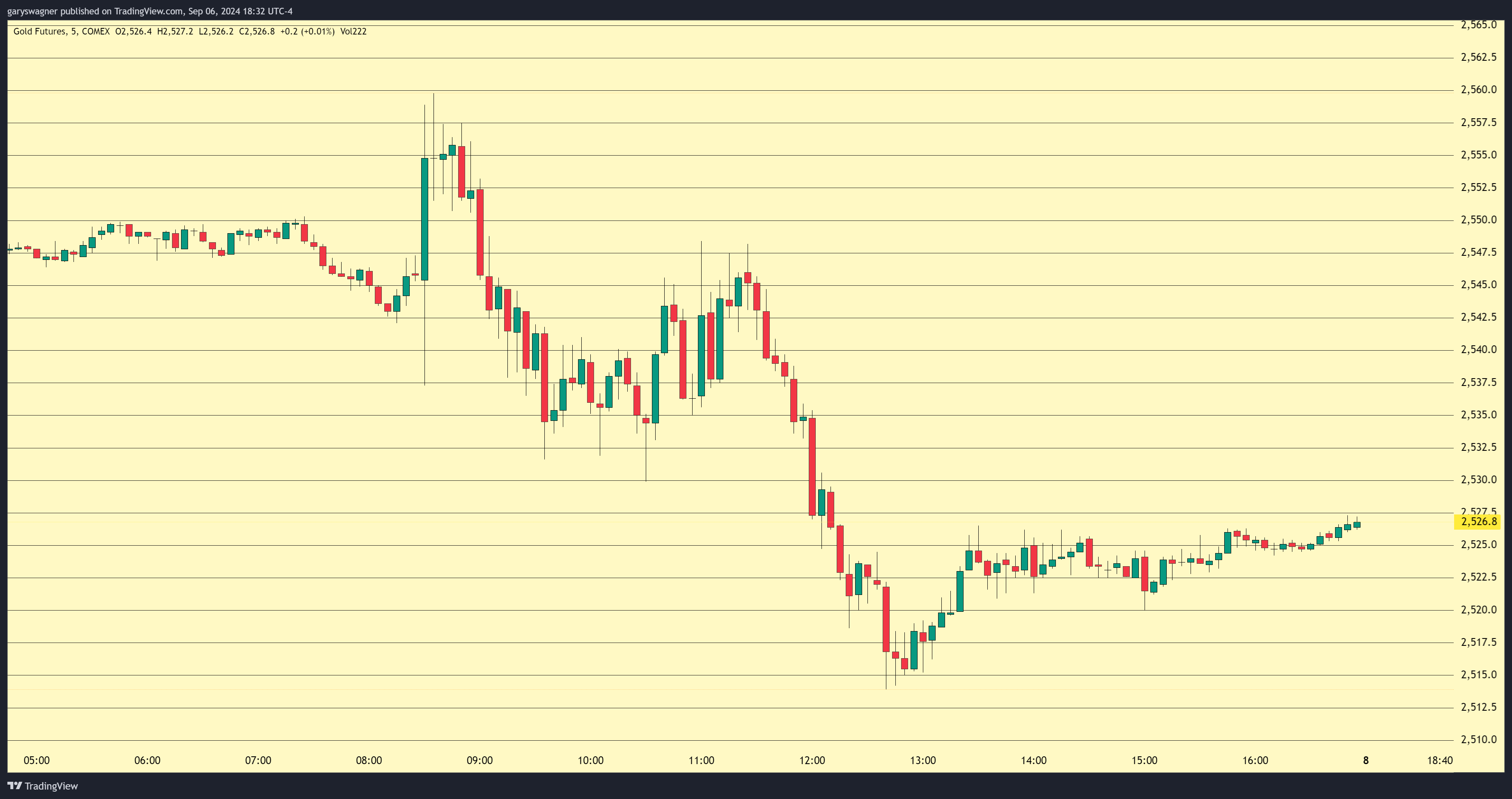
The surge in gold of $51 on August 16 took gold futures well above $2500 per ounce for the first time in history. This effectively flipped the former level of major resistance $2510 to the current level of major support. Last Tuesday the most active December contract of gold traded to $2561.40, effectively creating the current level of major resistance.
The precious metal now finds itself in a tight trading range, bouncing between the support at $2500 and resistance at $2560. This consolidation phase is particularly noteworthy as it formed a base at the $2500 level, which has withstood multiple tests. Simultaneously, the ceiling at $2560, marked by the recent record high, has proven to be a formidable barrier for further upward movement.
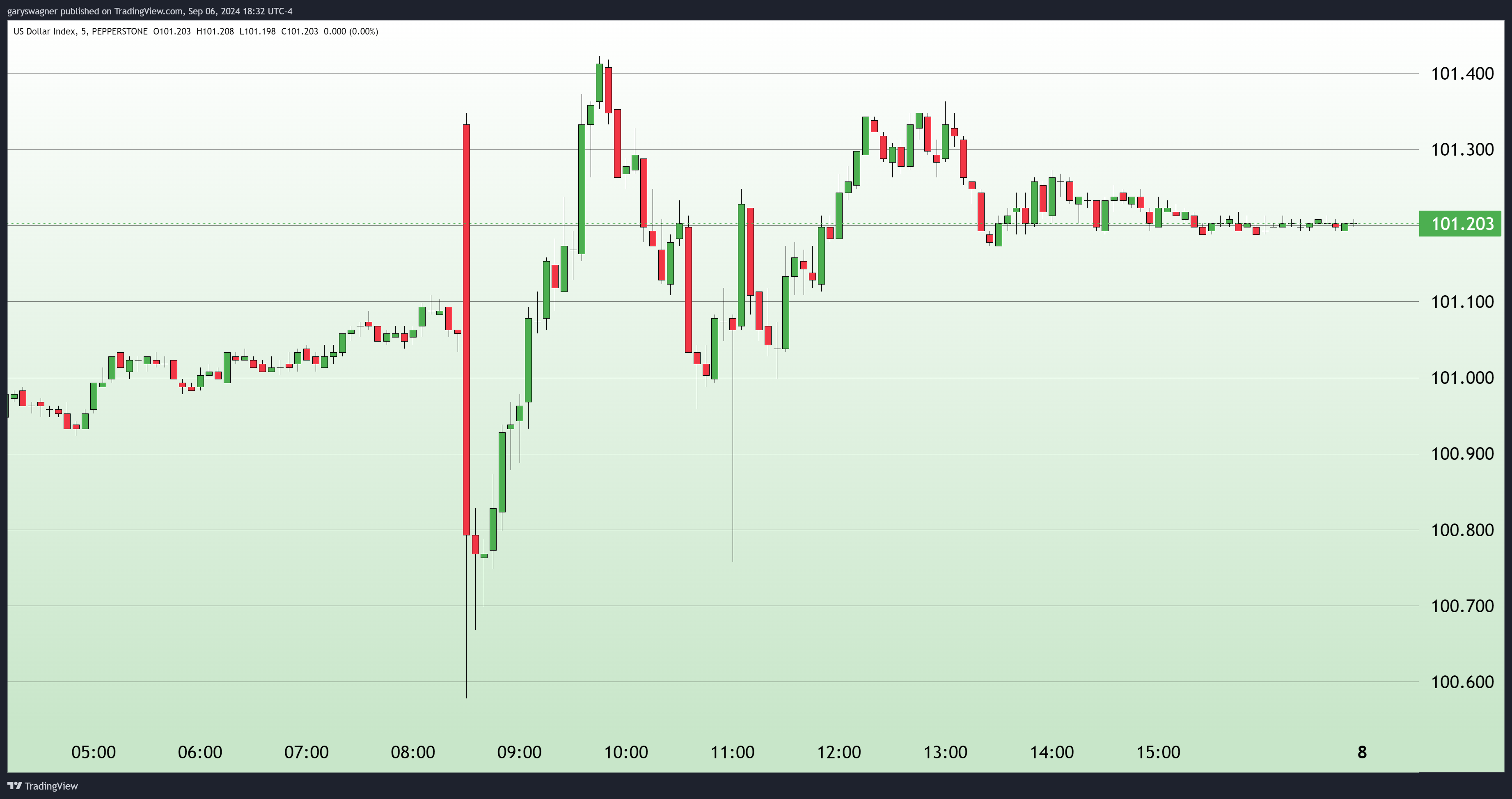
Recent economic data has played a crucial role in shaping gold's market behavior. The latest nonfarm payrolls report from the U.S. Bureau of Labor Statistics, a key indicator closely watched by the Federal Reserve, fell short of expectations. While economists had predicted an addition of 160,000 new jobs in August, the actual figure came in at 142,000. This underperformance has significant implications for monetary policy decisions.

Furthermore, the unemployment rate saw a slight decrease from 4.3% to 4.2%. However, this figure still represents an elevated level compared to the 3.8% rate observed a year ago. The total number of unemployed individuals has risen from 6.3 million to 7.1 million over the past year, indicating ongoing challenges in the labor market.
These labor market figures, coupled with the recent Consumer Price Index (CPI) report showing inflation at a three-year low, have solidified expectations for an imminent interest rate cut by the Federal Reserve. This anticipation was further fueled by Fed Chair Jerome Powell's statement at the Jackson Hole symposium on August 24, where he noted that "the time has come for policy to adjust."
Market sentiment, as reflected in the CME's FedWatch tool, currently indicates a 100% probability of a rate cut in September. The tool suggests a 70% likelihood of a 25-basis point reduction and a 30% chance of a more substantial 50-basis point cut. These probabilities have shifted notability following the latest economic reports, with the odds of a larger cut decreasing from 40% to 30%.
The anticipation of a rate cut has had a notable impact on precious metals markets. Gold futures for December delivery settled at $2526.80, representing a decline of $20.30 or 0.80%. Similarly, silver futures for December experienced a more pronounced downturn, falling by 3.07% or 89.5 cents to settle at $28.20.

As the market digests these economic indicators and monetary policy expectations, gold's performance in the coming weeks will be closely watched. The established support at $2500 and resistance at $2560 will likely continue to influence trading patterns. Investors and analysts alike will be keenly observing whether gold can break out of this range-bound behavior, potentially setting new records or retracing to lower levels based on forthcoming economic data and Federal Reserve decisions.