How Commodity Weakness Shed Light On The Government’s False Inflation Narrative

EDITOR'S NOTE: In recent years, politicians have conveniently blamed various factors for the surge in inflation, with the "Ukraine invasion card" being frequently played. However, the truth behind rising aggregate prices lies in the excessive creation of currency units, far surpassing the actual demand. While supply chain disruptions, demand recovery, and wage growth were used as excuses, the fundamental cause of inflation, which unifies all prices, is the rapid growth of the money supply. In this article, we agree with the author's perspective, shedding light on the critical role of lawmakers in spinning excuses to justify the inflation narrative. We also examine how commodity weakness exposes the fallacy of their claims, dismantling the link between inflation and external factors.
Most politicians have used the “Ukraine invasion card” to justify the massive inflationary burst in 2021-2023.
It does not matter if inflation was already elevated prior to the war. Supply chain disruptions, demand recovery, wage growth… Many excuses were used to justify inflation, except the only one that can make aggregate prices rise in unison, which is the creation of more units of currency well above demand.

Inflationists will blame inflation on anything and everything except the only thing that makes all prices, which are measured in monetary units, rise at the same: Money supply growth rising faster than real economic output.
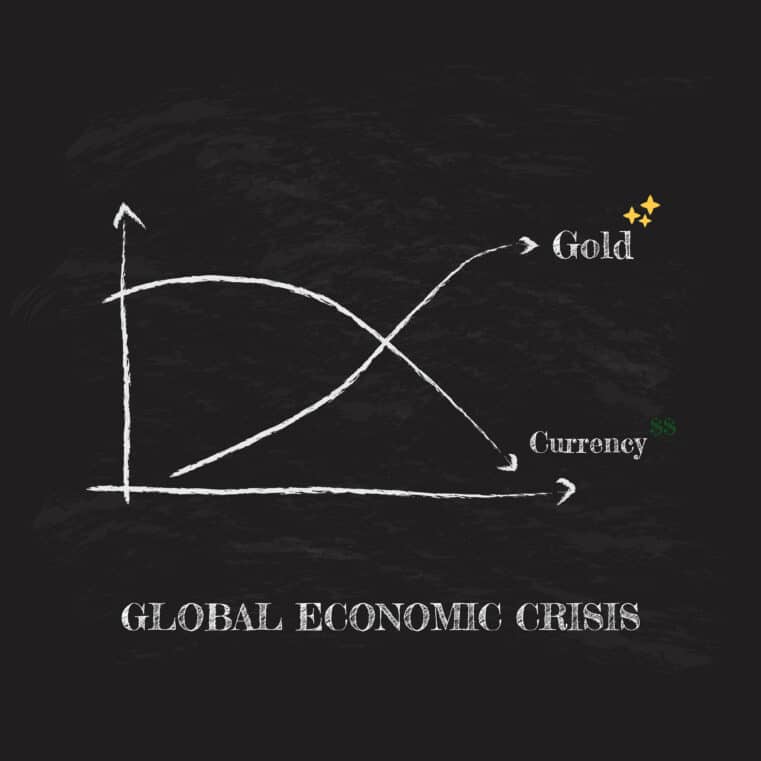
Supply chain disruption and commodity inflation are caused by monetary expansion: More units of currency going to relatively scarce assets. Profits, wages, or commodities are not causes of inflation, but consequences. The unit used to measure prices is weakened by massive increase of its supply. It is as if I sell apples measured in glasses of milk, and suddenly the issuer of milk puts hundreds of gallons more in the market. My apples will cost more glasses of milk to adjust to the reality of the new unit of measure.
Long-term inflation expectations have risen to 3%, the highest level in twelve years. Furthermore, according to the Bureau of Labor Statistics, in April the Consumer Price Index increased 0.4 percent, seasonally adjusted (SA), and rose 4.9 percent over the past 12 months, not seasonally adjusted (NSA). The index for all items less food and energy increased 0.4 percent in April (SA); up 5.5 percent over the year (NSA). However, commodities have plummeted in the past year.
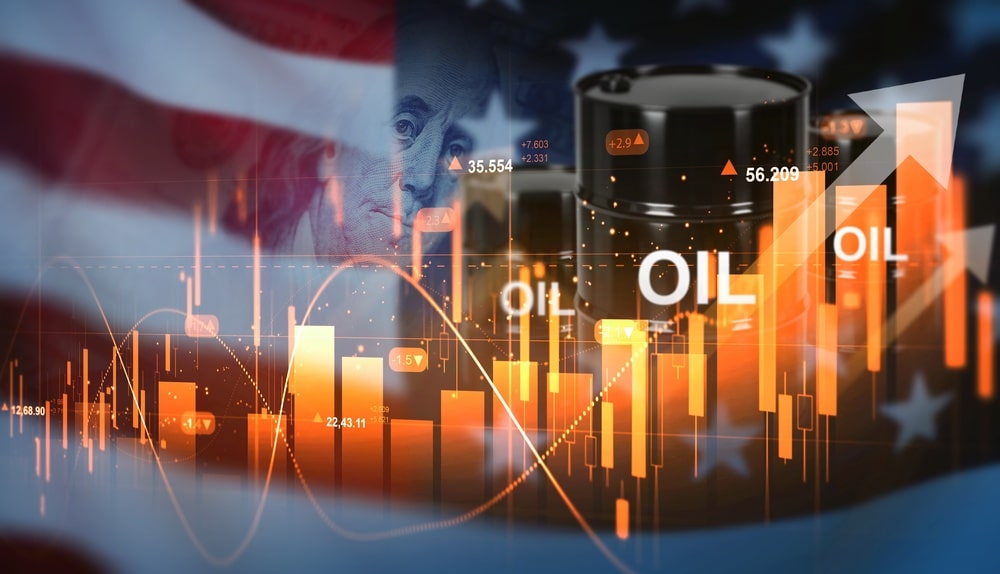
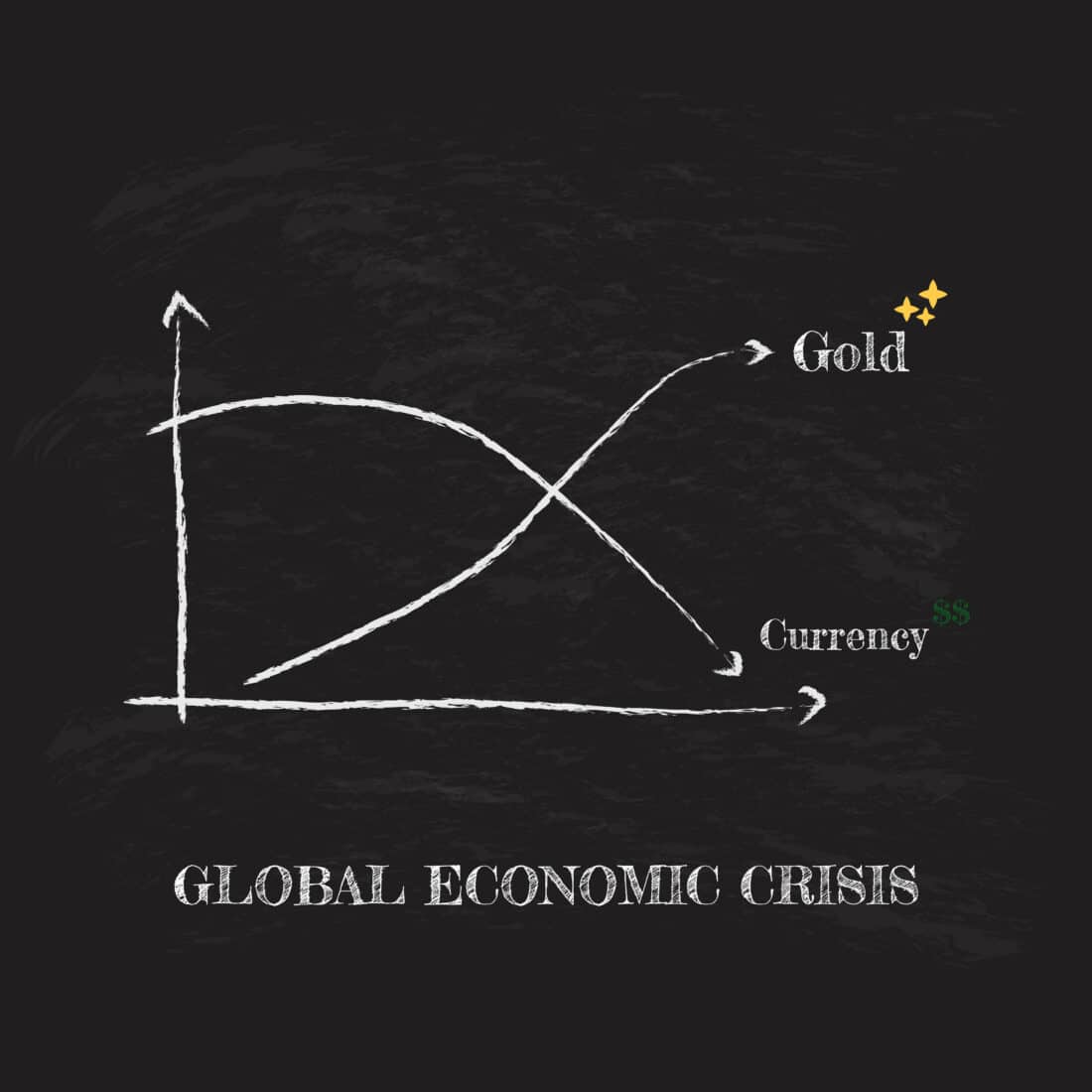
Crude oil (WTI) is down 38% in the past year, trading below pre-Ukraine invasion level. Gasoil (-44%), gasoline (-40%), heating oil (-44%), natural gas (Henry Hub -74% and NBP -65%) have all plummeted to pre-war levels. Even wheat is down 30% from a year before June 4th, 2023. The FAO Food Price Index has also corrected to a two-year low in May.
Why do commodities plummet in the middle of the China recovery and elevated demand growth and tight supply? Monetary factors again. The massive rate hikes and the subsequent monetary contraction have impacted the internationally quoted prices of goods all over the world. It is more expensive to purchase storage, finance margin calls, hire tankers and start long positions.
If commodities and the Ukraine war were to blame for inflation, why is the consumer price index remain so elevated? Money supply growth is plummeting but not enough to revert the price expansion of 2020-2023 and, in fact, global money supply has not fallen lower than $101 trillion, according to Bloomberg. That is a significant drop in money supply from its highs, and one that justifies the rapid decline in headline inflation, but not enough to revert the price increases for consumers.
Central banks engineered the massive inflationary burst, as proven in the BIS study by Claudio Borio et al (2023 https://www.bis.org/publ/bisbull67.htm) and now find that it is relatively easy to reduce annualized inflation to 4-5% but not that simple to bring it to 2%.
What no central bank wants to tell you is that the only way in which inflation will be brought down significantly is a recession. That is why they talk of a “soft landing” that is impossible if they truly wanted inflation to fall permanently.
Originally published by: Daniel Lacalle on DLacalle.com