North American Countries Eye BRICS Membership: Cuba Leads the Way

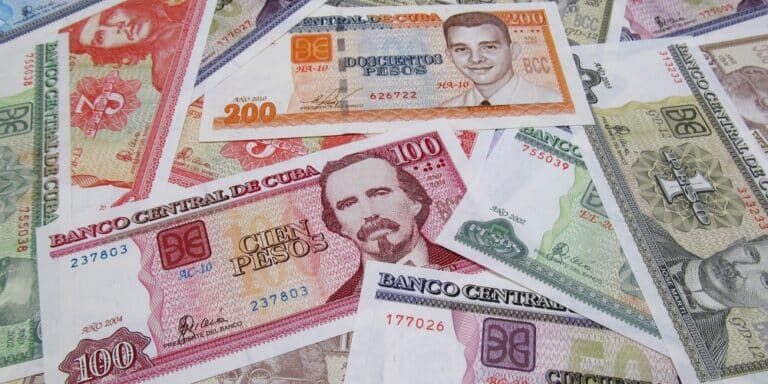
Well, folks, we’re seeing some pretty big moves happening with BRICS. For the first time ever, a North American country—Cuba—has officially thrown its hat in the ring to join the alliance. This is a huge deal because up until now, BRICS has mainly seen interest from Asia, Africa, South America, and Eastern Europe. Cuba's application shines a spotlight on what’s happening right next door to the U.S., as more nations start to see the appeal of de-dollarization.
BRICS Gaining Global Momentum
The BRICS bloc has been attracting a lot of attention lately, with 48 countries expressing interest in joining. Twenty-seven have submitted formal applications, while another 21 have shown informal interest. This surge is happening just ahead of the October 2024 BRICS summit, where leaders will gather to discuss the future of the alliance—and its plans to move away from the U.S. dollar.
Cuba’s application could be a game-changer. Russian Ambassador to Cuba, Viktor Coronelli, confirmed that the country officially applied in October. As Russia is chairing BRICS this year, they’re taking the lead on handling membership applications, and Cuba’s is now in the hands of the current member nations.

Why Is This Important?
Cuba’s decision to join BRICS is a signal of how the de-dollarization movement is picking up steam, even in America’s own backyard. For years, Cuba has had a strained relationship with the U.S., and the sanctions have only made them more eager to find alternative economic allies. BRICS, with its focus on creating a multipolar world less reliant on the dollar, offers Cuba—and many other nations—a chance to do just that.
The big question now is how the rest of the BRICS members will respond. Admission to the alliance is based on consensus, meaning all current members have to agree before a new country can join. Cuba’s President Miguel Díaz-Canel is set to attend the BRICS summit in Kazan later this month, and it’s expected that the decision on their membership will be a key topic of discussion.
What’s Next?
With Cuba officially applying, the door might just be opening for more countries in North America and beyond to consider BRICS membership. The bloc’s influence is growing, especially as it continues to push for de-dollarization. We’re seeing more countries trade in their local currencies and move away from the dollar, which is already having an impact on U.S. dollar reserves globally.
Whether or not Cuba gets full BRICS membership, this is a strong signal that countries all over the world are looking for alternatives to the U.S.-dominated financial system. And that could have major implications for anyone holding dollars.
Take Action Now
If you’re concerned about what these global shifts mean for your wealth, now is the time to protect yourself. The dollar is losing ground, and with more countries ditching it, your savings could be at risk. Download my free guide, Seven Steps to Protect Yourself from Bank Failure, and learn how to safeguard your assets in these uncertain times. Click here to get started: Seven Steps Guide.
Stay sharp, folks—there’s a lot more coming down the pipeline!