The Shortage Of Workers In The US Is About More Than Just The Pandemic

EDITOR'S NOTE: It appears that the immigration problem has partly been slowed by the pandemic. The negative effect is that an estimated 1 million of these were “highly-educated” immigrants whose jobs are now open. Americans would gladly fill these jobs, BUT do we have enough of these “highly-educated” Americans possessing these specific skill sets to fill these jobs? The immigration issue is just one painful factor that exacerbates the much greater labor shortage we’re facing. Perhaps some of those who’ve opted out happen to be moms or stay-at-home parents who can’t seem to get adequate daycare for their kids. Perhaps some are among those waiting for an offer with higher wages amid soaring inflation (potentially creating an inflationary spiral). Perhaps some are fearful of the new viral variant. Or, perhaps some are among the 3.3 million GenXers or Boomers who just decided to call it quits and retire. The fact is that these jobs remain unfilled. And as the author writes, the scope of the job shortage and its effect on the economy is much bigger than the pandemic itself.

Photo: Axios
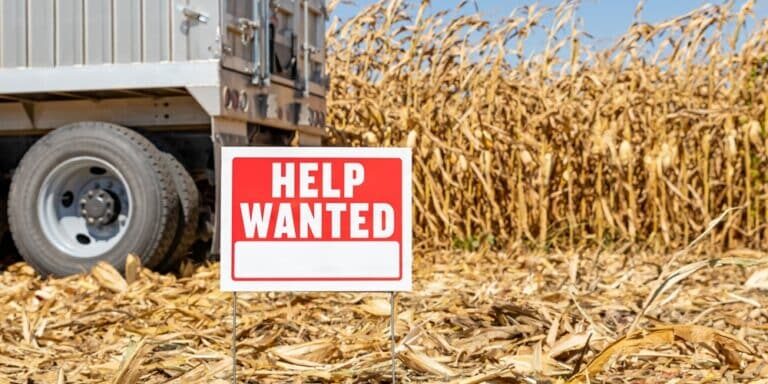
The shortage of workers in the U.S. has become a flywheel of doom, messing up our lives and society writ large. And many of the underlying problems that led to this breakdown are bigger than the pandemic.

The big picture: Millions of immigrants, older workers and mothers are missing from the labor force. Those labor shortages create problems like supply chain woes, school closures, and skyrocketing child care costs — and some of those problems further exacerbate the worker shortages.
- U.S. CEOs say labor shortages are the top threat to their businesses this year, in a survey released by the Conference Board yesterday.
State of play: The labor market problems are broadly about COVID, but with root causes that predate the pandemic:
Lost immigrants: There are about 2 million fewer working-age immigrants in the U.S. because of Covid immigration restrictions, according to calculations of census data from two economists at University of California, Davis.
- About 1 million are higher-educated working age adults.
- The immigration slow down began during the Trump administration.
The Great Retirement: Covid spiked retirement rates. Flush with cash from the booming stock market and fearful for their health in a pandemic, many more older workers left the workforce.
- There are 3.3 million more retirees as of October 2021, than January 2020 (aka the before time), according to estimates from economists at the St. Louis Fed. The number exceeded pre-pandemic demographic expectations.
Beleaguered moms: About 1.5 million fewer mothers of school-age kids are actively working compared with pre-pandemic times, according to Misty L. Heggeness, a principal economist at the Census Bureau.
- Lack of social policy support for parents, particularly mothers — a key issue during the pandemic — has long depressed labor force participation rates for women in the U.S.
What's next: Economists are hopeful that when it becomes safer to return to work, more Americans will in fact go to work.
- "The most obvious solutions are public health solutions," says Aaron Sojourner, a labor economist at he University of Minnesota's Carlson School of Management. If people are healthy, and risks are low they'll be more willing to get back to work. "It's a win win."
But, but, but: Unless there is policy intervention, there will still be a shortage of immigrant workers, which holds back other parts of the economy.
- "We have lost two years of immigration and there is nothing in our system that allows us to catchup," says Giovanni Peri, an economist at University of California, Davis, who calculated the 2 million number with a colleague.
- Immigrants workers could help alleviate shortages in a range of industries, including child care.
- More child care workers would have downstream effect on working mothers and older women, who've stepped out of work to help with grandchildren's child care.
Originally posted on Axios.