Silver in a Bubble? Not So Fast — Why the “Poor Man’s Gold” Still Has Room to Run

Gold at $5,000: The Calm Before the Surge?
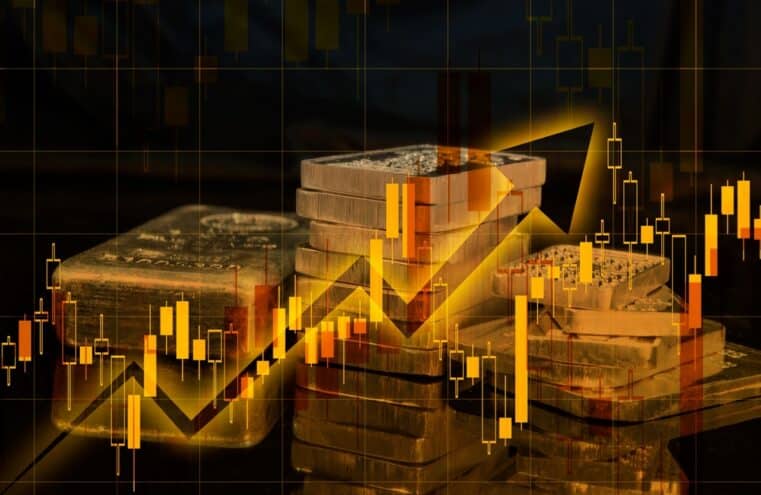
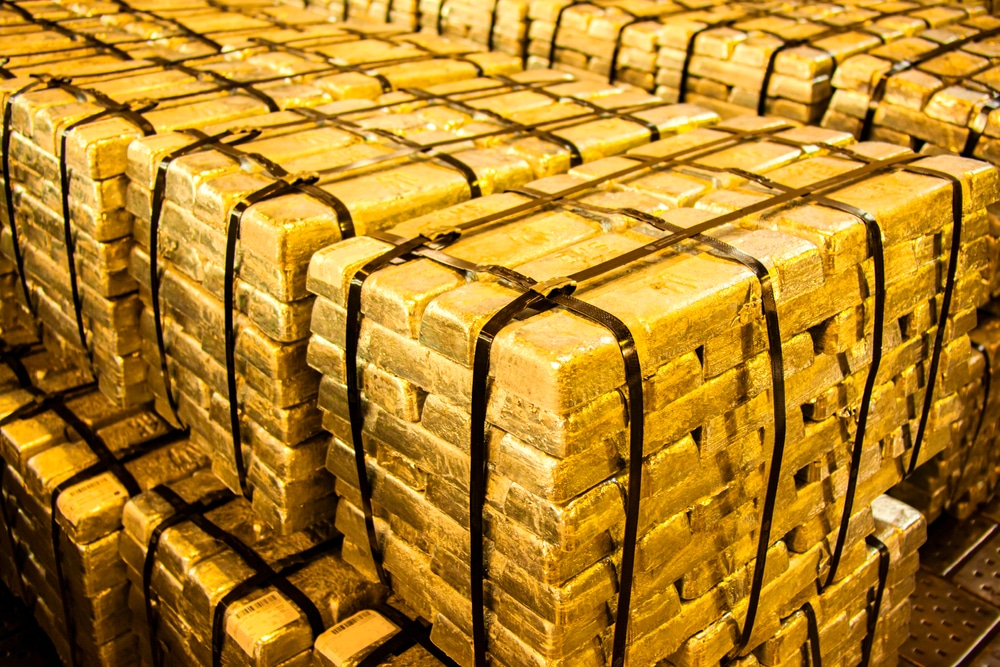
Let’s start with the yellow metal. Gold is trading above $5,000 an ounce with an 18% gain just in the first month of 2026—its best start since 1980. According to Saxo Bank’s Ole Hansen, this momentum could carry prices even higher, potentially reaching $5,500. And while headlines are asking is silver in a bubble, gold’s steady climb shows that the entire precious metals space is being revalued—not just one asset.
He attributes the rise to several key factors:
- Ballooning U.S. fiscal debt
- A weaker dollar as “U.S. exceptionalism” fades
- Heightened geopolitical tensions
- Persistent inflation concerns
And while Hansen cautions that many of these fears have yet to fully materialize, he acknowledges that gold’s structural case is still solid. He expects a consolidation phase rather than a major correction—something I completely agree with.

Gold hasn’t gone “parabolic” like in past bubbles. Instead, it’s climbed steadily—calmly even—as more central banks and institutional investors quietly diversify out of fiat. That’s not speculation. That’s strategy.
Silver: The Rally That Shocks the Establishment
Now here’s where we get into some debate.
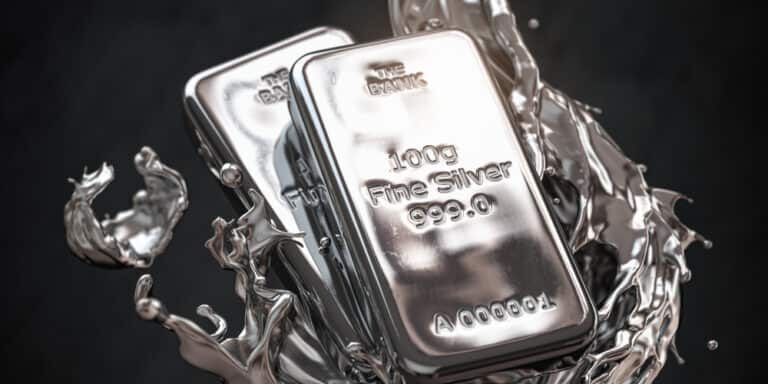
Hansen says silver is in a bubble. No doubt—it’s had a wild ride. Spot silver is hovering around $109/oz, up over 52% just this month, and that’s after a 150% gain in 2025. No question: that’s aggressive.
He argues that retail frenzy, fear of missing out (FOMO), and speculative positioning have pushed silver into unsustainable territory. He points out that silver is now expensive relative to gold and platinum and warns that the rally could:
- Create demand destruction in industrial sectors (which account for ~60% of silver use)
- Encourage consumers to sell old silverware and jewelry
- Lead to disorderly volatility in the market
Fair enough.
But calling silver a bubble ignores the fundamental shift in both investment psychology and supply/demand dynamics that’s been building for years.
Is Silver Overheated? Maybe. In a Bubble? Not Likely.
Let’s be real. Silver doesn’t run like this for no reason.
Yes, speculative energy plays a role—but it always has with silver. It’s a much smaller market than gold, and it tends to move in sharper bursts. That’s just the nature of the beast.
But underneath the hype, you’ve got real-world trends propping it up:
- Exploding demand for solar panels, electric vehicles, and electronics
- Chronic underinvestment in silver mining over the past decade
- A weakening dollar driving investors toward tangible assets
- Growing interest in silver as a monetary metal—not just industrial
Unlike gold, silver gets pulled in two directions: as money and as a critical industrial input. That dual role is why it's moving faster and higher—and why it’s not just a bubble waiting to pop.
Silver may pull back short term—that wouldn’t surprise me. But a temporary overvaluation is not the same thing as a collapse. If anything, we’re seeing the early stages of a long-term revaluation after years of being artificially suppressed.
What the Experts Miss About the "Poor Man's Gold"
Let me tell you something as someone who grew up in a working-class home where silver coins were stashed in coffee cans under the kitchen sink: Silver has always been the people’s hedge.
And it’s exactly that role—hard money you can actually hold in your hand—that’s coming back into focus as trust in the system evaporates.
While gold is increasingly cornered by central banks and institutions, silver remains accessible. It's the entry point for folks who can’t afford a kilo of gold but still want real, off-grid value.
That's why retail participation isn’t a sign of mania—it’s a sign of the moment. People are waking up. They’re not looking for yield anymore. They’re looking for survival.
Supply Is Tighter Than You Think
Hansen suggests supply will flood back into the market as consumers cash in on silverware and old bars. Maybe. But we’ve been hearing that for years. The reality?
- Global silver mining output has not kept pace with industrial growth.
- Recycled silver only covers a fraction of demand.
- The U.S. Mint and other sovereign mints routinely face shortages.
This isn’t just an investor frenzy—it’s a supply squeeze. And it’s going to get worse as silver becomes even more embedded in green tech and digital infrastructure.
Gold or Silver? Why Not Both?
Hansen says investors are better off sticking with gold. I say: why choose?
Both metals serve different but complementary roles:
- Gold is the store of wealth. The fortress.
- Silver is the fighter. Volatile, yes—but explosive in the right environment.
And folks, we’re in that environment. The debt is unpayable. The dollar is weakening. The world is de-dollarizing. Central banks are hoarding gold—and the public is waking up to silver.
Final Thoughts: Don’t Let Volatility Scare You Off Real Assets
Look, I get it. Silver’s rise looks dramatic. But in a world where fiat can be shut off with a keystroke, you want dramatic. You want off the grid. You want insurance you can touch.
Calling silver a bubble is like calling a fire escape unnecessary because the building hasn't burned down yet.
I’ll take that bet. And I’ll keep stacking—because I’d rather be early than broke.
Call to Action: Arm Yourself Before the Collapse
Don’t wait for the next "bank holiday" or currency reset to realize you’ve been had. Get physical. Get secure. And get educated — because they’re not going to warn you when it all goes down.
Download "Digital Dollar Reset Guide" now. Click here to get it.
Your future self will thank you. Or curse you — depending on whether you act now.